
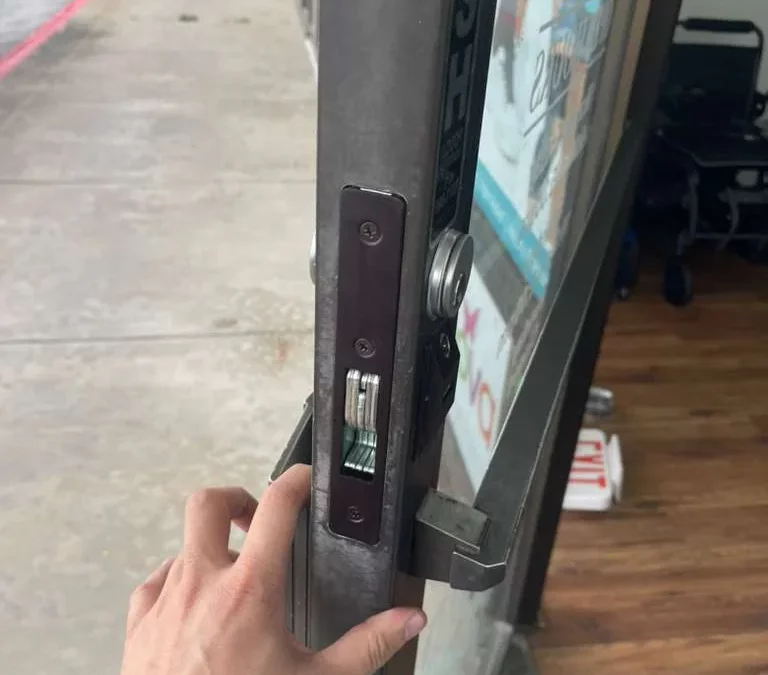
A front door lock upgrade should start with your door and your goal, not the most features on the shelf. Check whether you need new hardware, a new key, a stronger strike plate, a door adjustment, or keyless access. Then measure the door and ask for parts and labor to be listed separately before you schedule work.
That approach can work for a Houston front door, back patio entry, side door, or garage-to-house door. A good plan avoids buying a lock that does not fit, paying for features your household will not use, or leaving a frame problem untouched.
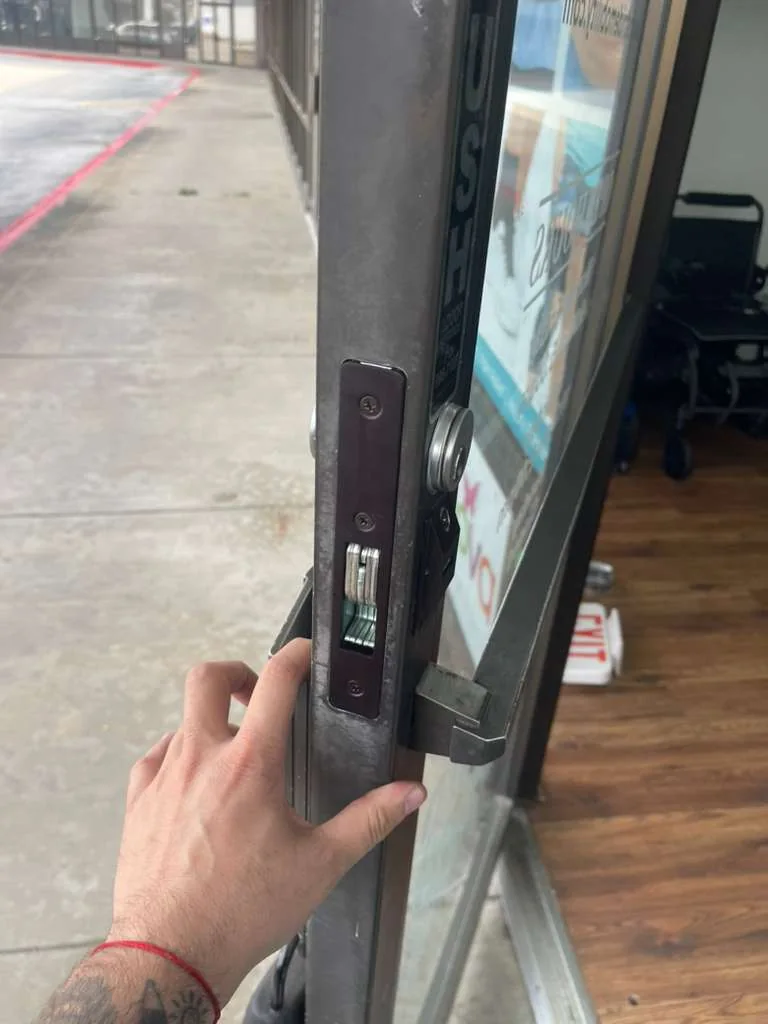
Start your front door lock upgrade with one clear goal
Write down what has changed. The right job depends on the problem you want to solve.
- Too many old keys are out there. Ask whether rekeying can change who has access while keeping usable hardware.
- The lock sticks or the bolt will not line up. Have the door, frame, hinges, and strike checked before choosing replacement hardware. A new lock may not fix a sagging door or a misaligned opening.
- You want a stronger entry setup. Look at the deadbolt, strike plate, screws, and door frame together. The Seattle Police Department door-security bulletin identifies the strike plate area as a frequent weak point in forced entry and suggests 3 to 4 inch screws for strike plates and hinges. Those are general security ideas, not Houston code rules.
- You are tired of carrying or sharing keys. Consider whether a keypad or connected lock fits your household. Decide who needs access, how they will enter, and what you will do if batteries run low.
- The hardware looks worn. Replacement may be mainly an appearance choice. Match the finish and style only after you confirm the new lock will work with the door.
Try not to combine every goal into a single purchase. A dependable mechanical deadbolt, a corrected strike, and a rekey may fit some homes better than a connected lock with features no one plans to use.
Check the whole doorway, not only the lock
A lock works with the door and frame around it. Before shopping or calling, open and close the door several times. Lock and unlock it from both sides. Note what happens without forcing the key or thumbturn.
Look for fit problems first
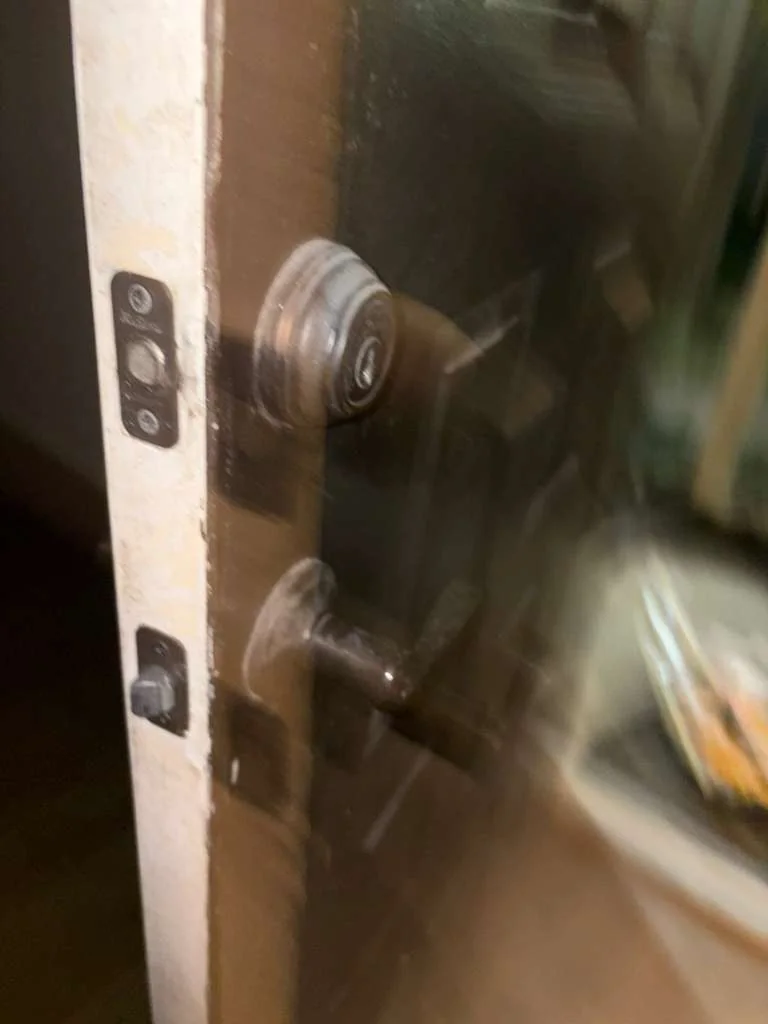
Watch whether the bolt enters the strike opening smoothly when you lift, pull, or push the door. If it needs pressure, the door may be out of alignment. Look for loose hinge screws, gaps around the door, a cracked frame, or a loose strike plate. Take photos of anything that moves or appears damaged.
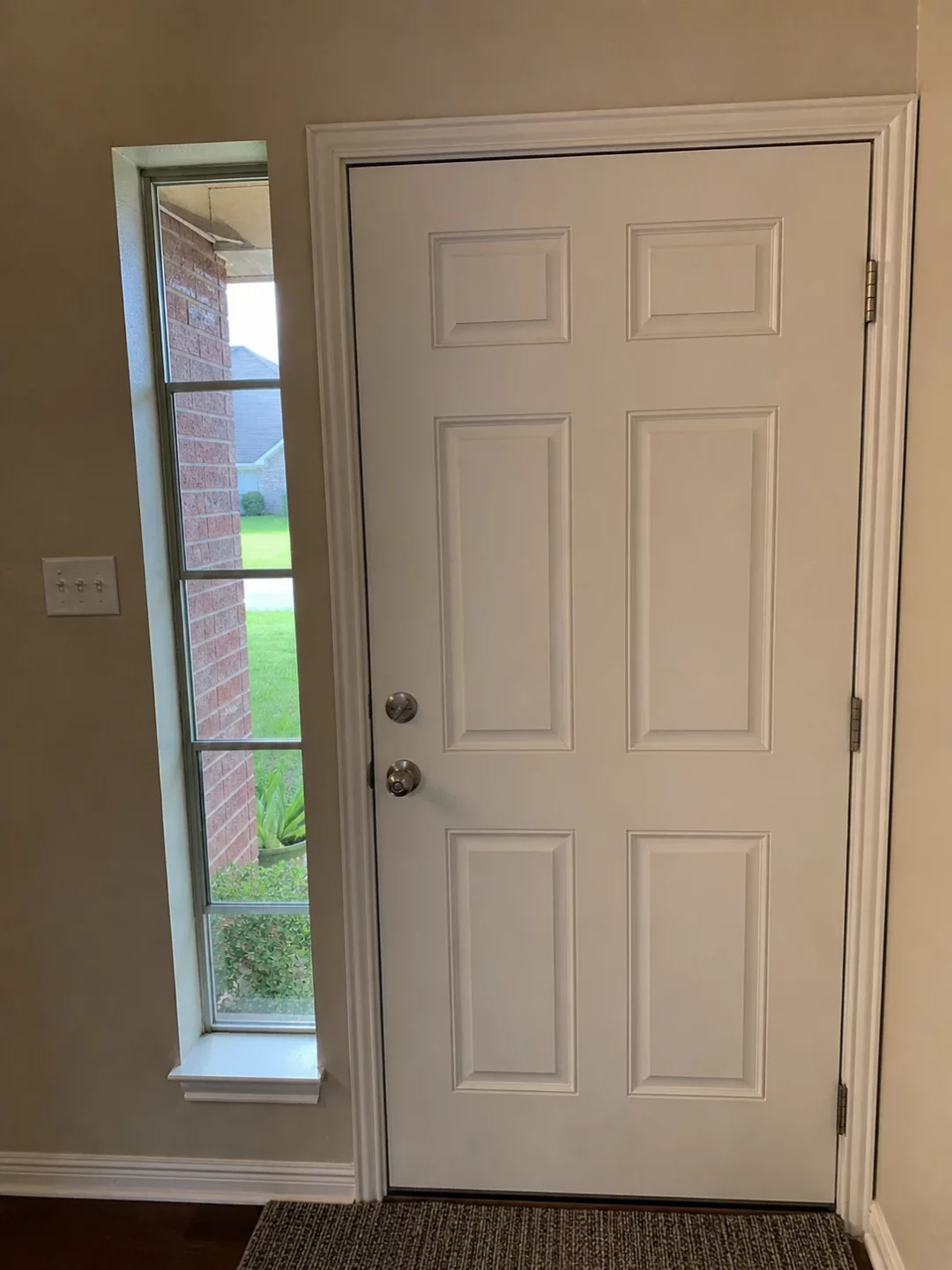
Also note whether the door is solid or has glass close to the lock. Glass-adjacent doors need careful choices about lock type and placement. Do not make a hardware change that creates a safety concern for people who need to leave quickly.
Check every exterior entry that matters
It is easy to focus on the front door and forget a back door, side door, patio door, or the door from the garage into the house. List each entry and its current lock. This helps you decide whether you want one key for several doors, separate keys, or a mix of keyed and keyless access.
If you are moving into a home, make key control your first decision. You may not know who has copies of the existing key. Ask a locksmith if the existing locks can be rekeyed or if replacement makes more sense based on their condition and your plans.
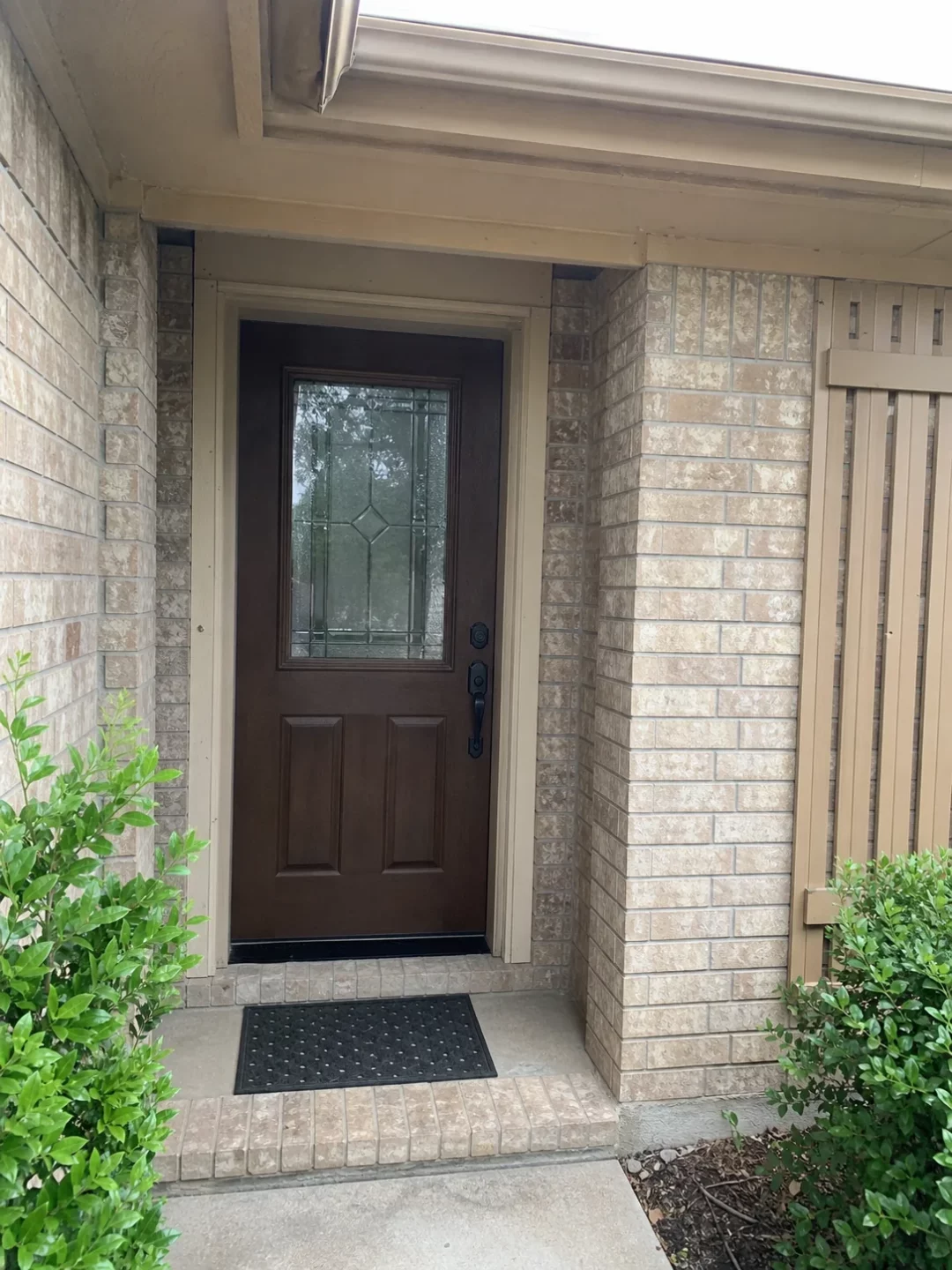
Measure before you buy lock hardware
Door prep is the set of holes and measurements already cut into the door. A lock may look standard but still need a different size or an added part. Measure carefully, or share clear photos and let the installer verify before you purchase anything.
For a typical single-cylinder deadbolt, Kwikset’s door-preparation support lists a 2-1/8 inch borehole, a door thickness from 1-3/8 to 1-3/4 inches, and a 2-3/8 or 2-3/4 inch backset. The backset is the distance from the door edge to the center of the lock hole. Those measurements are product-specific, so always verify the chosen hardware instructions. Some doors outside the listed thickness range may need a thick-door kit.
- Measure the door thickness at its edge.
- Measure from the door edge to the center of the deadbolt hole.
- Measure the diameter of the existing hole.
- Photograph the door edge, the interior and exterior lock faces, and the strike plate on the frame.
- Tell the installer whether the door swings inward or outward.
Bring up trim, decorative glass, narrow door rails, or a storm door. These details can affect clearance and placement. Do not enlarge holes or alter a door until the hardware and installation plan are confirmed.
Choose the lock type that matches daily use
There is no single best lock for every home. Make the choice based on who comes and goes, how often keys are shared, and how much you want to manage.
| Option | May fit when | Ask before choosing |
|---|---|---|
| Rekey existing lock | The lock is in good condition and your main concern is old keys | Can this keyway be rekeyed, and can other exterior doors use the same key? |
| New mechanical deadbolt | You want a familiar key-operated setup or the old lock is worn | Does it fit the door prep, frame, and trim without changes? |
| Keypad lock | You want code access for household members or visitors | How are codes managed, and what is the battery replacement plan? |
| Connected lock | You want app-based features and are ready to manage them | What door setup, power, account, and phone access does it need? |
For lock quality, look beyond packaging claims. BHMA Certified Secure Home says ANSI/BHMA A156.39 and A156.40 cover residential locksets, latches, and deadbolts. Its ratings assess security, durability, and finish using A, B, and C performance levels. Compare like products and confirm what the rating applies to. A rating does not make the entire door assembly secure on its own.
Decide whether the frame work belongs in the same job
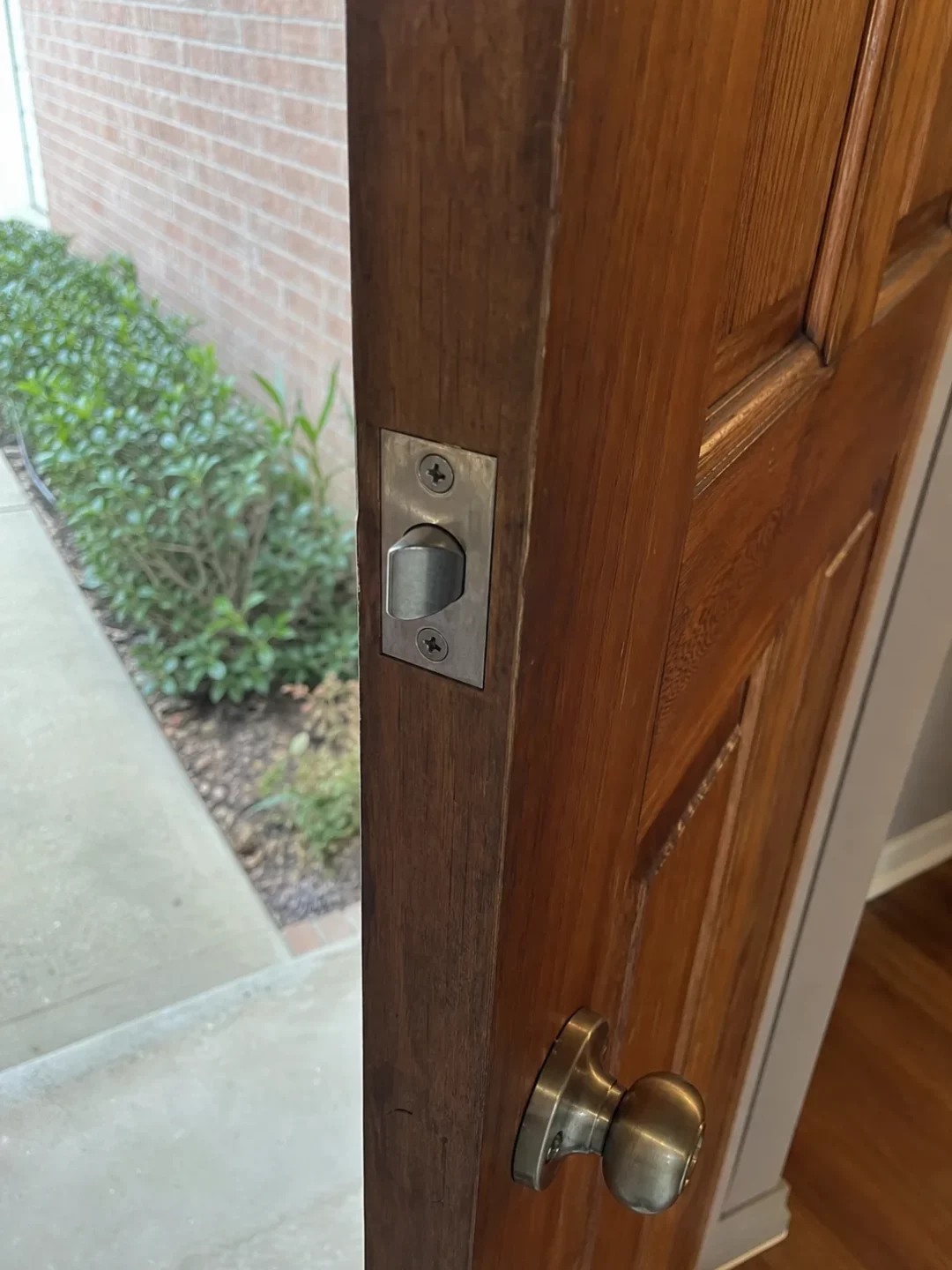
The deadbolt throws into the strike plate on the frame. If the plate is thin, loose, or not centered on the bolt, replacing only the lock may leave the important fit issue behind. Ask for the strike area and hinge-side screws to be inspected when you request service.
Ask what work is being proposed and why. It may include adjusting alignment, replacing a strike plate, using longer screws where appropriate, or repairing damage. The condition of the wood, frame, door material, and nearby wiring can change the plan. A professional should inspect those details before promising a specific fix.
Prepare the right questions for an installation visit
Clear questions make quotes easier to compare. Describe the door, share your measurements and photos, and say whether you already bought hardware. Then ask:
- Can my existing lock be rekeyed, or is replacement needed?
- Does the hardware I chose fit this door without extra parts or door changes?
- Will you inspect the deadbolt strike, hinges, frame, and door alignment?
- Which parts are included, and which parts would be separate?
- Will the quote separate hardware, labor, and any needed repair work?
- Can my exterior doors be set to one key, if that is my goal?
- What access plan should I use for a keypad or connected lock?
For a condo, rental, or home with an association, check your rules before changing exterior hardware. A landlord, property manager, association, insurer, or building rule may set requirements for locks, finishes, keys, or installation. Ask about those limits before buying a lock.
Make a simple plan for keys and access
New hardware alone does not settle who can enter. List everyone who needs regular access, including household members and a trusted emergency contact. Decide whether each person needs a physical key, a code, or both. Keep track of spare keys instead of hiding one outside near the door.
If you choose a battery-powered lock, keep the product instructions and learn the low-battery warning and backup-entry method before an urgent need arises. For a connected lock, protect the account with a strong unique password and remove access when a person no longer needs it.
Emergency Locksmith lists home lock installation, upgrades, rekeying, key duplication, patio door lock solutions, and home security assessments on its Houston residential locksmith page. When you are ready to arrange the work, residential lock installation is the next service to discuss after you have gathered your door details.
Questions homeowners ask before changing a door lock
Can I use the same key for my front and back doors?
Often, locks can be arranged to use one key when the hardware and keyways allow it. Compatibility depends on the specific locks already installed or selected. Tell the locksmith which doors you want included before work begins, including the garage-to-house door if you use it often.
Should I replace the handle and deadbolt together?
You can replace either part on its own if the door works properly and the styles fit your plans. Replacing both may make sense when you want matching finishes, the handle is worn, or the existing holes and spacing limit your choices. Confirm the distance between the holes and the clearance around trim first.
What should I do if my new deadbolt is hard to lock?
Do not force it. Check whether the bolt lines up with the strike when the door is closed. Seasonal movement, loose hinges, or a shifted frame can affect fit. A locksmith can inspect the door and frame to identify what needs adjustment.
Can a renter change a front door lock?
Check the lease and ask the landlord or property manager before changing exterior hardware. They may need a copy of the key, approval for the lock type, or work completed by a particular provider. Keep any written approval with your rental records.
For a front door lock upgrade in Houston or nearby communities, call Emergency Locksmith at 832-979-9228. Tell the team which door you want to change, your key or access goal, and any measurements or photos you have so you can discuss the next step for your home.