
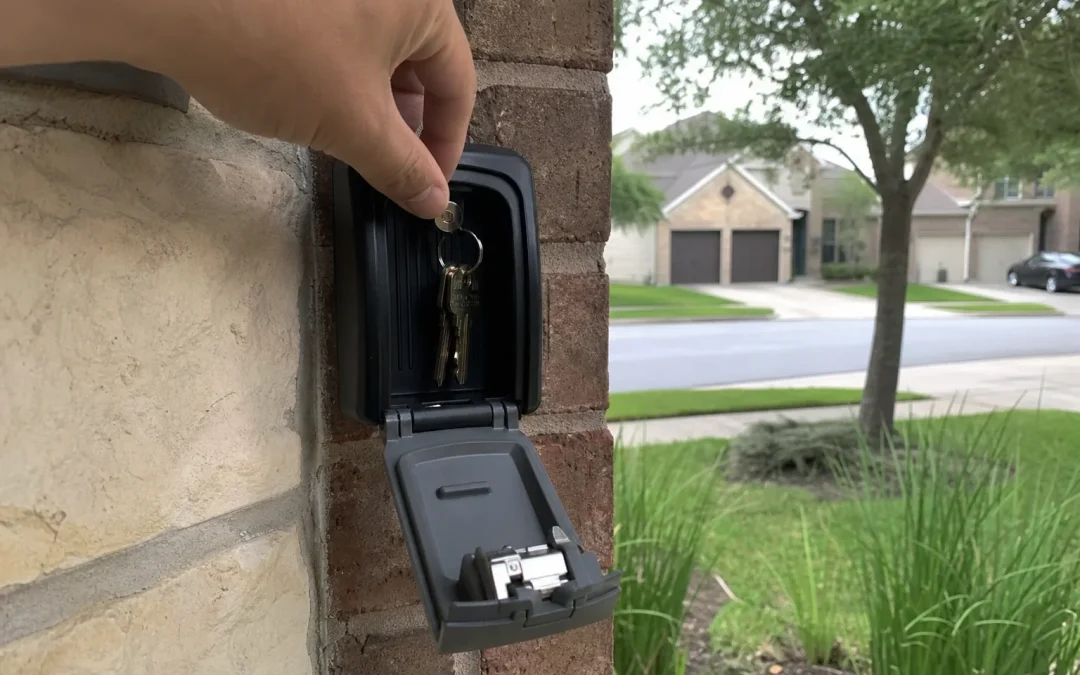
Most households need one working key for every regular resident who can manage one, plus one spare house key held off-site by a trusted local person. Make temporary copies only for a clear need, track who has each copy, and get keys back when that need ends. Rekey the locks after a lost, stolen, or unreturned key.
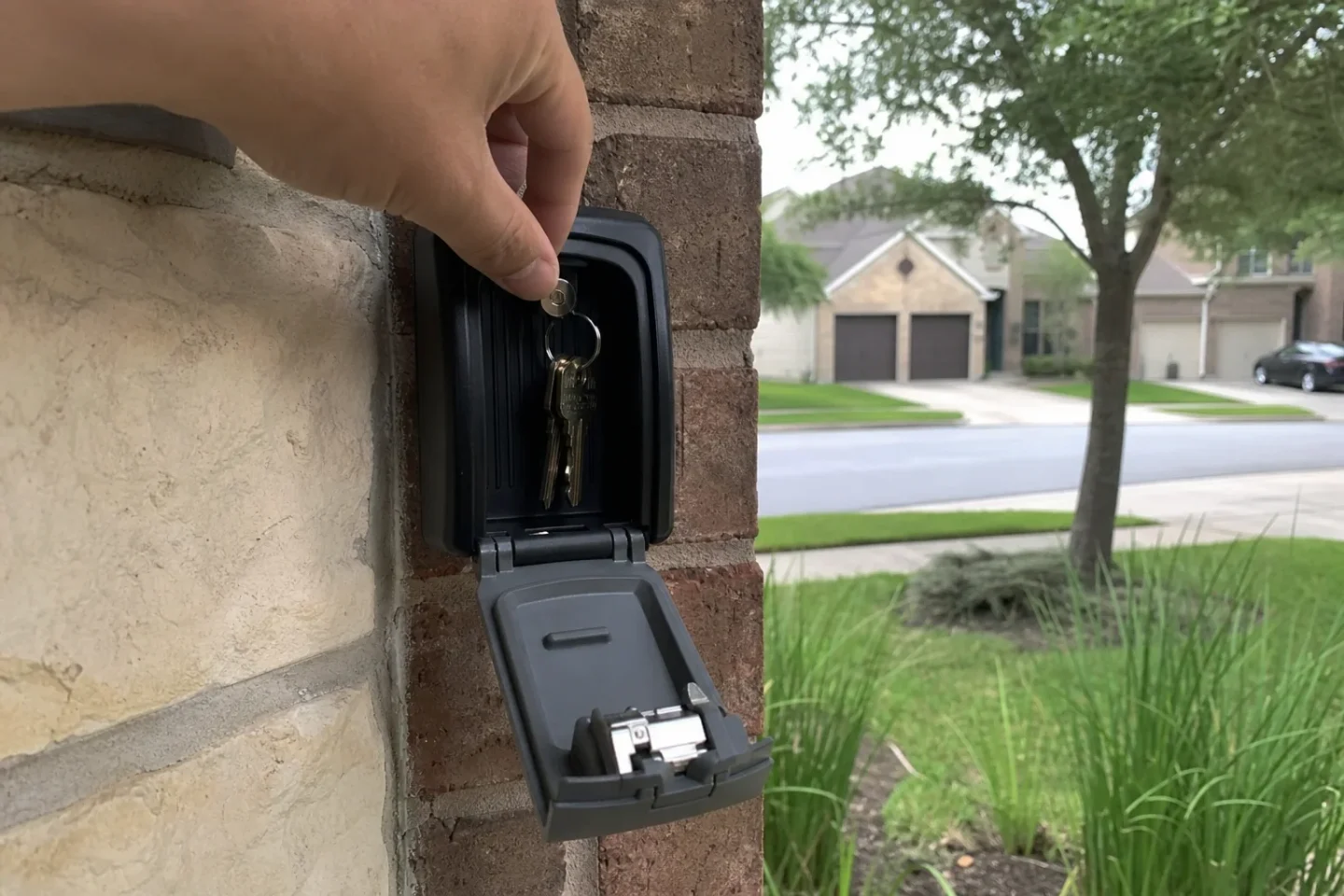
Start with the people who live in the home
Count the people who need dependable day-to-day access. That usually includes adults and older children who are ready to carry and keep track of a key. Each regular resident having a working key cuts down on rushed handoffs, keys left under mats, and lockout worries.
A key is a responsibility, not a household reward. Before handing a key to a child, consider whether they can keep it secure at school, at activities, and during a move between homes. A younger child may need a different plan, such as being met by an adult. Match access to the person and the routine.
Keep the count tight. Extra copies tend to lose their purpose over time. If you cannot name who holds a key and why, that copy is a candidate to collect or replace through rekeying.
Use this simple starting count
- Give each regular resident who can safely carry a key one working copy.
- Keep one backup copy away from the property with a trusted person nearby.
- Make a temporary copy only when a helper truly needs entry without you.
- Skip copies made only because they might be useful someday.
This is a starting point, not a fixed rule. A household with two residents may need three copies. A larger household with regular caregivers may need more, but every copy should have a named holder and a current reason.
Choose an off-site backup instead of a hiding place
A trusted relative, friend, or neighbor can hold the emergency copy. The Houston Police Department recommends giving a duplicate house key to a relative, trusted friend, or neighbor for lockout backup. It also warns against hiding keys near doors, planters, doormats, and other easy-to-find spots.
Choose someone who is usually reachable, understands that the key is for emergencies, and lives close enough to help when timing matters. Ask first. A person may be trusted but travel often, work far away, or prefer not to hold responsibility for another home.
Give the holder a way to reach you and a basic rule for releasing the key. They should know whether a spouse, adult child, or caregiver may pick it up. Avoid putting your street address, unit number, or full name on the key ring. A lost labeled key tells a stranger too much.
The National Crime Prevention Council also advises keeping spare keys with a trusted neighbor or nearby shopkeeper rather than using common outdoor hiding spots. For most households, a known person is easier to review and change than a key hidden outside.
Give temporary access a clear end date
Cleaners, pet sitters, caregivers, contractors, and visiting relatives may need access for a limited time. Do not let a temporary arrangement become an unknown copy that stays out for years. Decide when the key will be returned before you hand it over.
Make a short key record
A note in a secure household record can prevent confusion. It does not need key numbers or lock details. Record only the holder, the reason for access, the date given, and the expected return date.
| Holder | Reason for access | What to decide |
|---|---|---|
| Regular resident | Daily entry | Review when they move out or lose a key |
| Trusted local backup | Lockout or urgent check | Confirm contact details once or twice a year |
| Pet sitter or cleaner | Scheduled visits | Set a return date after the work ends |
| Caregiver or family helper | Care and support | Review access when care needs change |
A record helps you ask a practical question before travel, storm preparation, or a long work stretch. If you could not get home, who could enter for a pet, a child, or an urgent check? If the answer is unclear, fix the plan before you need it.
Do not pass a key from helper to helper without telling the homeowner. A key given to a cleaner should not become a copy for another person. If a service changes hands, collect the old key and decide whether new access is still needed.
Know when a new copy is enough and when locks need rekeying
Key duplication makes another key that works with the current lock. It is a good fit when every existing copy is accounted for and you need access for a regular resident or planned backup. Emergency Locksmith provides residential key duplication for households that need extra copies or backup keys.
Rekeying changes the lock so old keys no longer work. It may be the better next step when you do not know who has a copy, a key has been lost or stolen, a former resident did not return a key, or a contractor’s access has ended without a key return. The Houston Police Department says to change exterior locks if home keys are lost. Whether that calls for rekeying or another lock change depends on the lock and your situation.
Move-in is also a good time to ask about old copies. A previous owner, tenant, roommate, family member, or vendor may still have a key. You may not be able to track every past copy, so starting fresh can bring the key list back under your control. Learn more about residential lock rekeying if access history is unknown.
For a rental, check your lease before making copies or changing lock access. Property managers may have rules about locks, keys, or who needs notice. Keep any required building key separate from personal labels and records.
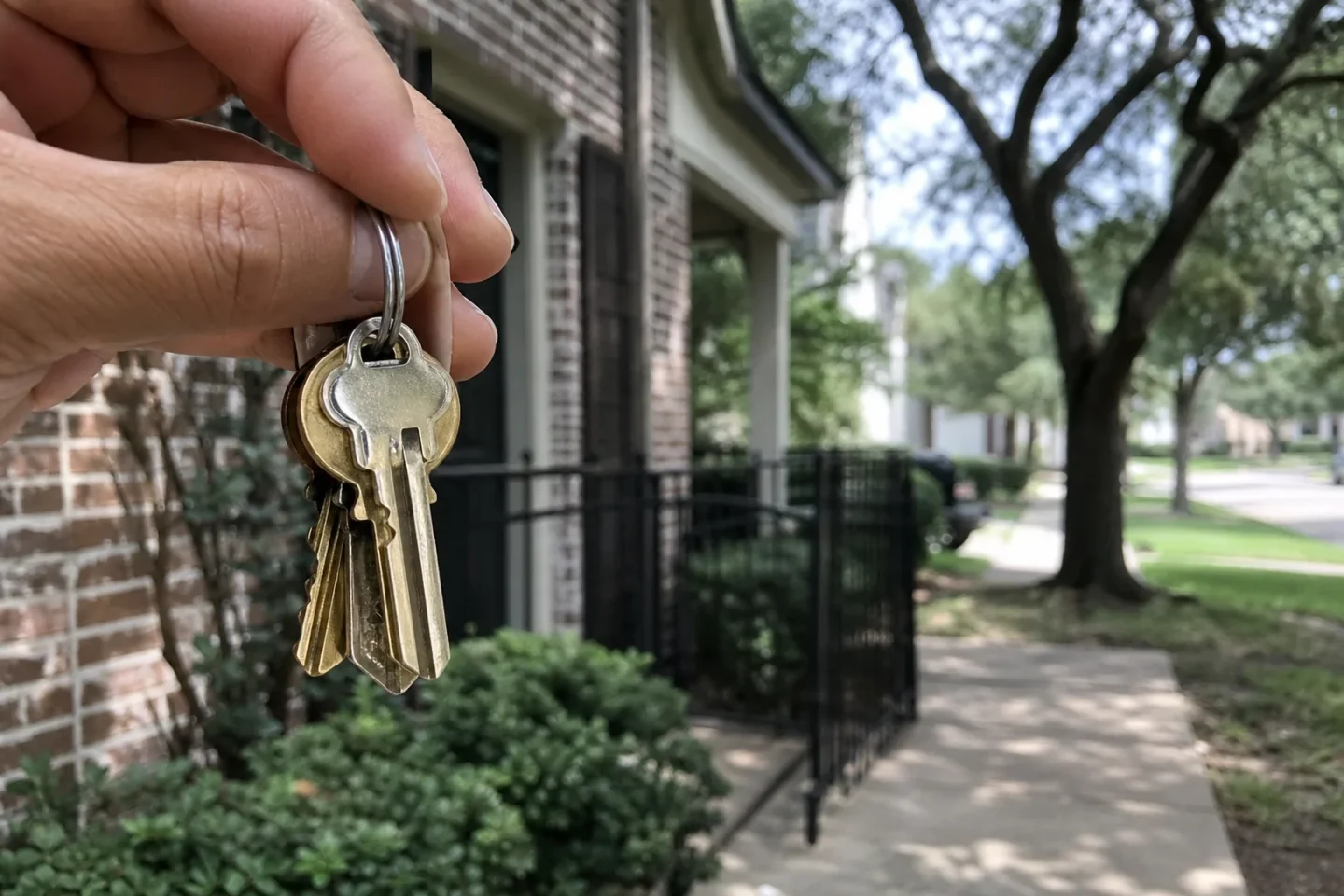
Review spare house keys after life changes
Key control needs a review when people and routines change. Put it on a household calendar after a move, a breakup, a new roommate, a change in childcare, or a new pet care arrangement. You do not need to inspect locks every month. A quick review after a real change is more useful.
Ask these five questions
- Can I name every person with a working key?
- Does each person still need access?
- Is the emergency backup held off-site by someone I trust?
- Has any key been lost, stolen, or left unreturned?
- Did a move, rental change, or care arrangement leave old copies in circulation?
If every answer is clear, your plan is likely easy to manage. If a key’s location is unknown, avoid guessing that it will turn up. Treat the missing copy as an access decision. Rekeying may restore control without needing to find the key.
Keep the key plan easy for your household
A complicated system often fails when someone is tired, locked out, or away from home. Keep only the copies you can explain. Pick one trusted backup holder. Write down temporary access. Retrieve copies when the task ends. Those small habits give your household a workable plan without spreading keys further than needed.
Questions about household key copies
Should both partners keep separate spare house keys?
If both partners live in the home and use separate routines, each should usually have a working key. The off-site backup should be separate from those daily keys. That way, a lost purse, bag, or key ring does not use up every available copy.
Can I give a pet sitter the only backup key?
It is safer to keep the emergency backup with a trusted person who is not tied to a short pet-sitting job. A sitter may have their own temporary copy for scheduled visits, while the off-site holder remains available if plans change or the sitter cannot respond.
What should I do if a key is returned late?
Ask for the physical key back and update your key record. If you cannot confirm that it was returned, or if it may have been copied, consider rekeying the affected exterior locks. The concern is not blame. It is knowing which keys can still open your home.
Can I check whether a locksmith company is licensed in Texas?
Texas Department of Public Safety says its TOPS system lets users search companies and individuals licensed through the Private Security Program. Use the Texas DPS TOPS information page to start that check before arranging service.
Need working copies, an emergency backup, or help restoring control after a missing key? Emergency Locksmith offers residential key duplication and lock services in Houston. Call 832-979-9228 to discuss the next step for your home.