
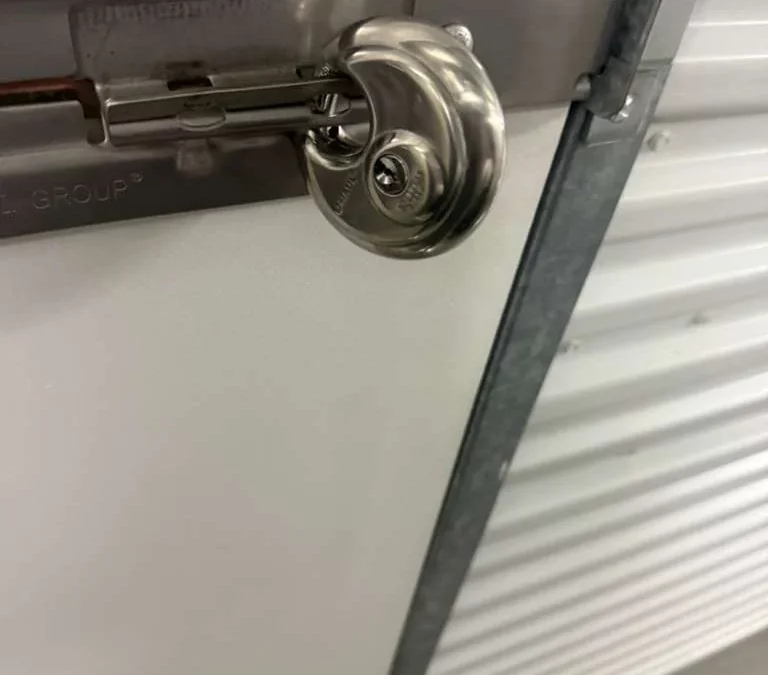
If your garage is a daily entrance, treat the garage entry door lock like any exterior door lock. A loose strike or rubbing latch may call for repair. Rekeying fits when old keys may still be out there. Replacement is worth weighing when the lock, deadbolt, door, or frame can’t close and latch dependably.
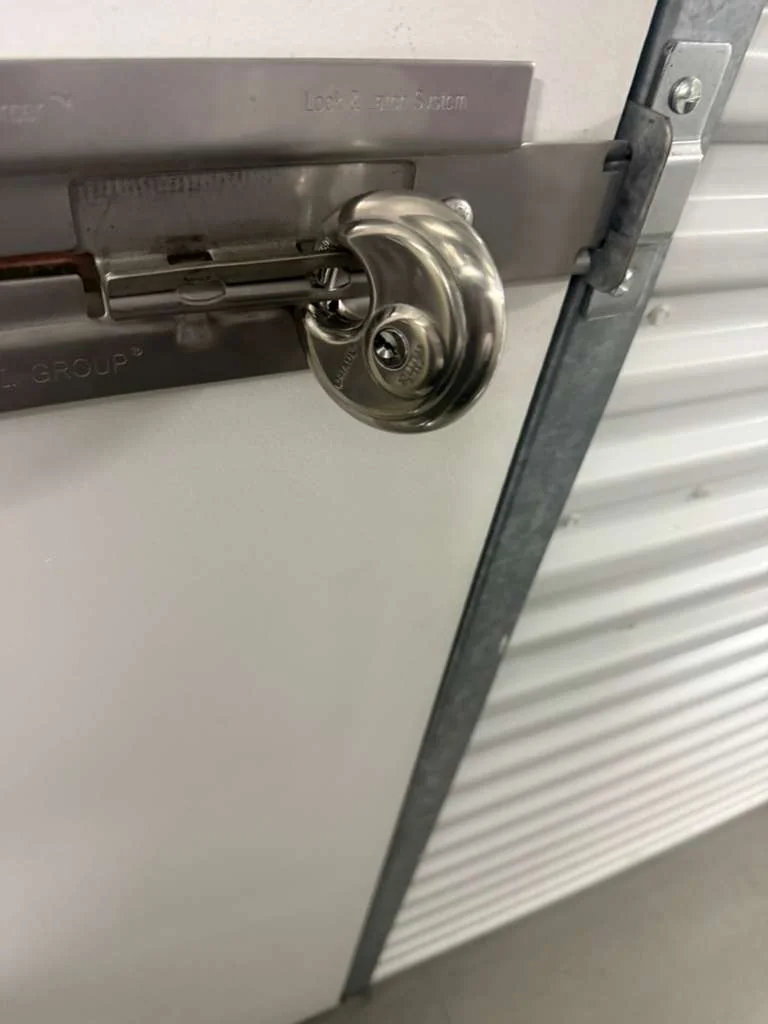
Start by separating the three garage access points
A garage can have more than one door, and each has a different job. Looking at them separately keeps a small problem from being missed.
- The overhead garage door is the large vehicle door. Keep it closed when it is not being used. Don’t treat an open overhead door as a minor detail when you are home.
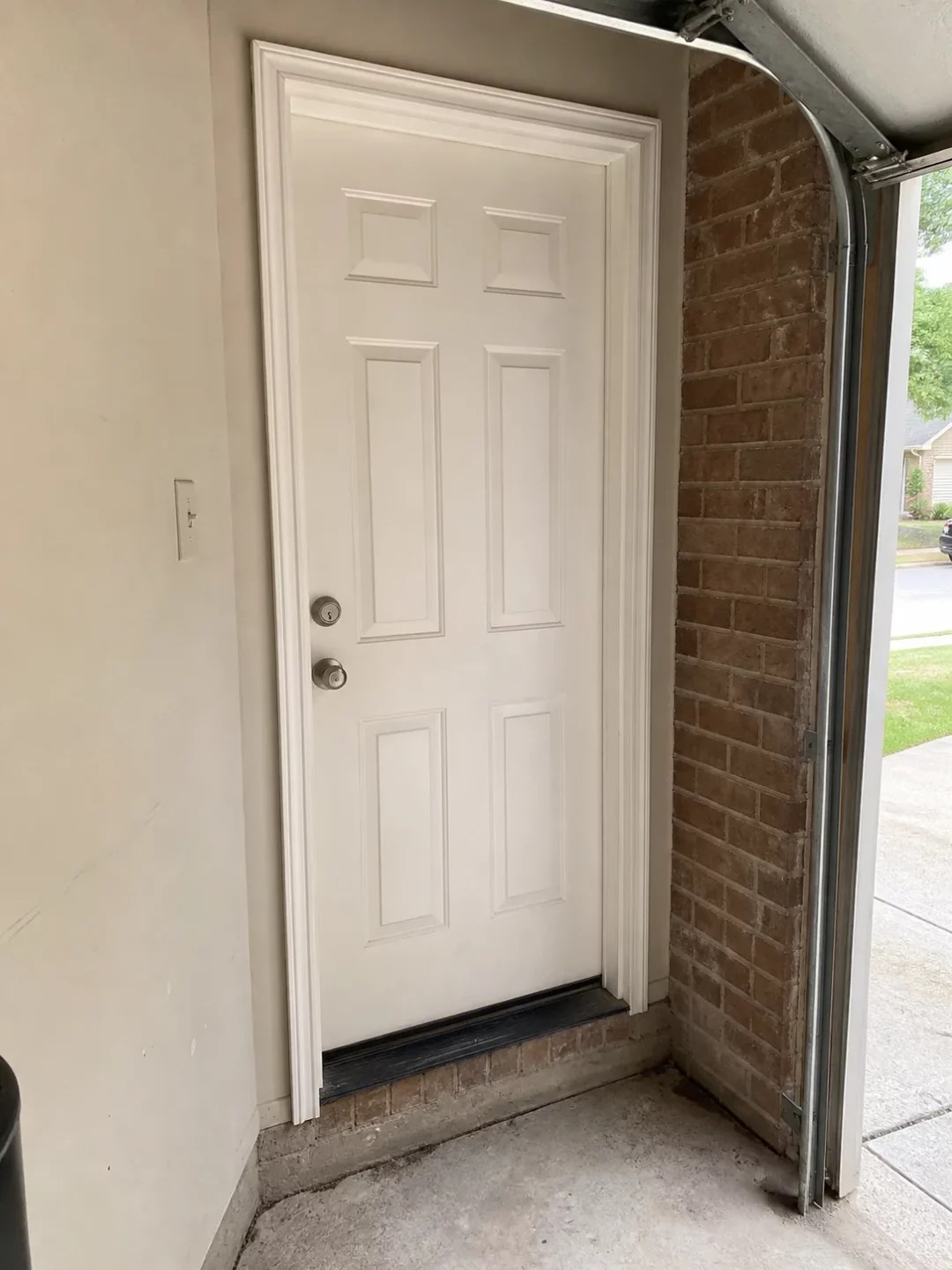
- The garage side door opens from outside into the garage. It needs the same attention as a back or front exterior door.
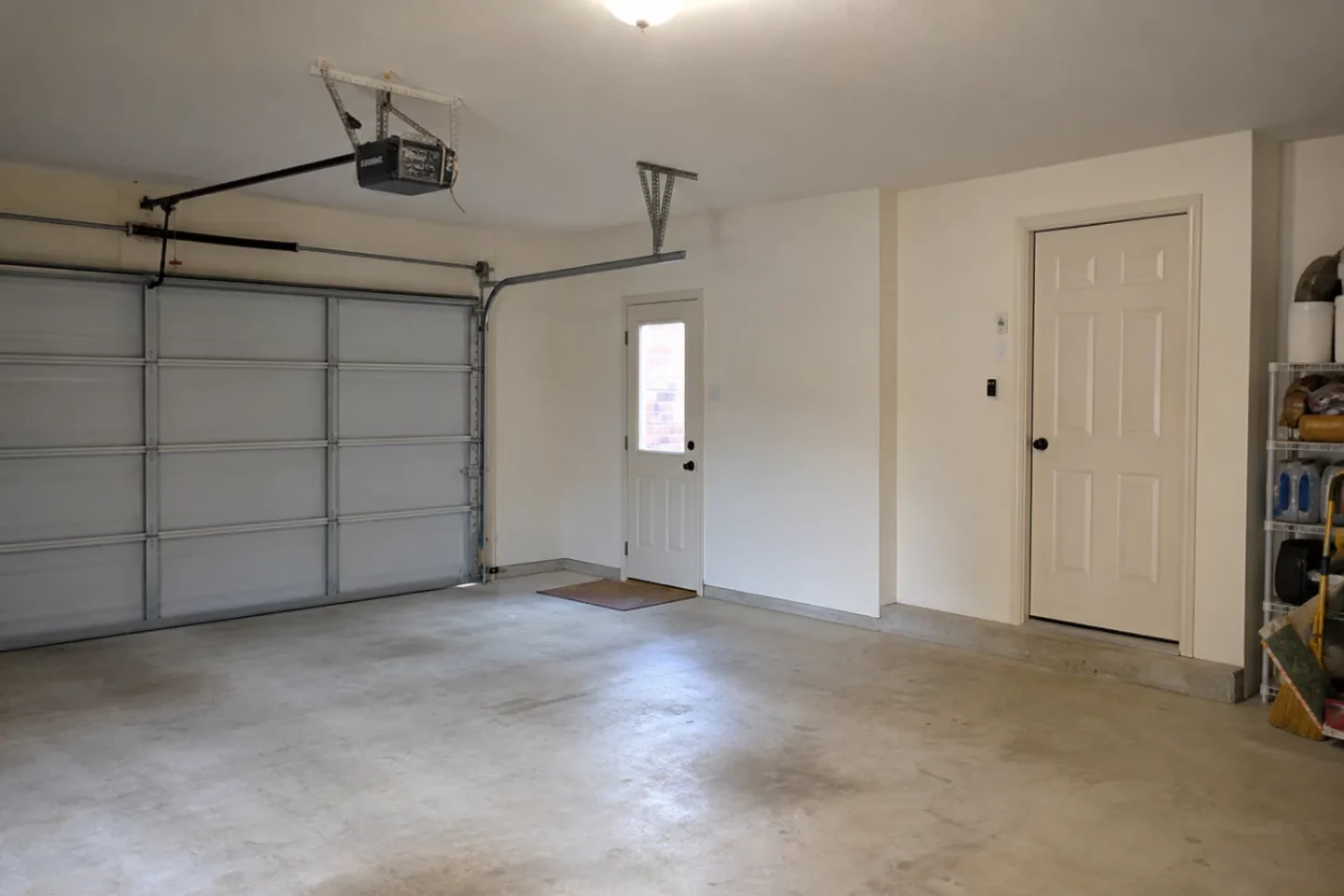
- The door from an attached garage into the house is inside the garage, yet it separates the garage from the living space. Its lock and latch deserve close attention.
The Houston Police Department burglary prevention guidance says to keep doors, windows, and garage doors closed and locked, even when you are home. It also calls for solid-core or metal exterior doors, a deadbolt with a bolt that extends at least 1 inch, and a heavy-duty strike plate fastened with #12 three-inch wood screws.
That advice gives you a practical first check. Look at the door itself, then the lock, then the metal plate on the frame where the latch and deadbolt enter. A strong lock cannot make up for a weak, loose, or damaged frame.
Use this garage entry door lock check before choosing a fix
Close the door normally. Don’t lift, push, or pull it into place. Then try the lock from both sides if the door has access on both sides. You are looking for smooth movement and a firm close.
| What you notice | What to check next | Likely next step |
|---|---|---|
| The latch scrapes, misses, or only catches when you push the door | Check for loose hinge screws, a loose strike plate, or a door that has shifted | Ask about alignment and strike repair |
| The key turns but the deadbolt sticks or does not extend fully | Check whether the bolt lines up with the hole in the frame | Have the lock and strike assessed before replacing parts |
| The deadbolt is loose, worn, or missing | Look for movement at the lock, damaged trim, or a thin strike plate | Consider a new deadbolt and strike installation |
| You do not know who has keys | Think about prior owners, tenants, workers, neighbors, and lost spare keys | Rekey or replace the lock cylinder |
| The garage-to-house door does not close by itself | See whether the closer is missing, disconnected, or unable to pull the door shut | Arrange a door and hardware review |
Do not test a lock by repeatedly forcing a key or slamming the door. That can bend key parts, worsen alignment, and hide the cause of the problem. If a key is hard to turn, stop before it breaks in the lock.
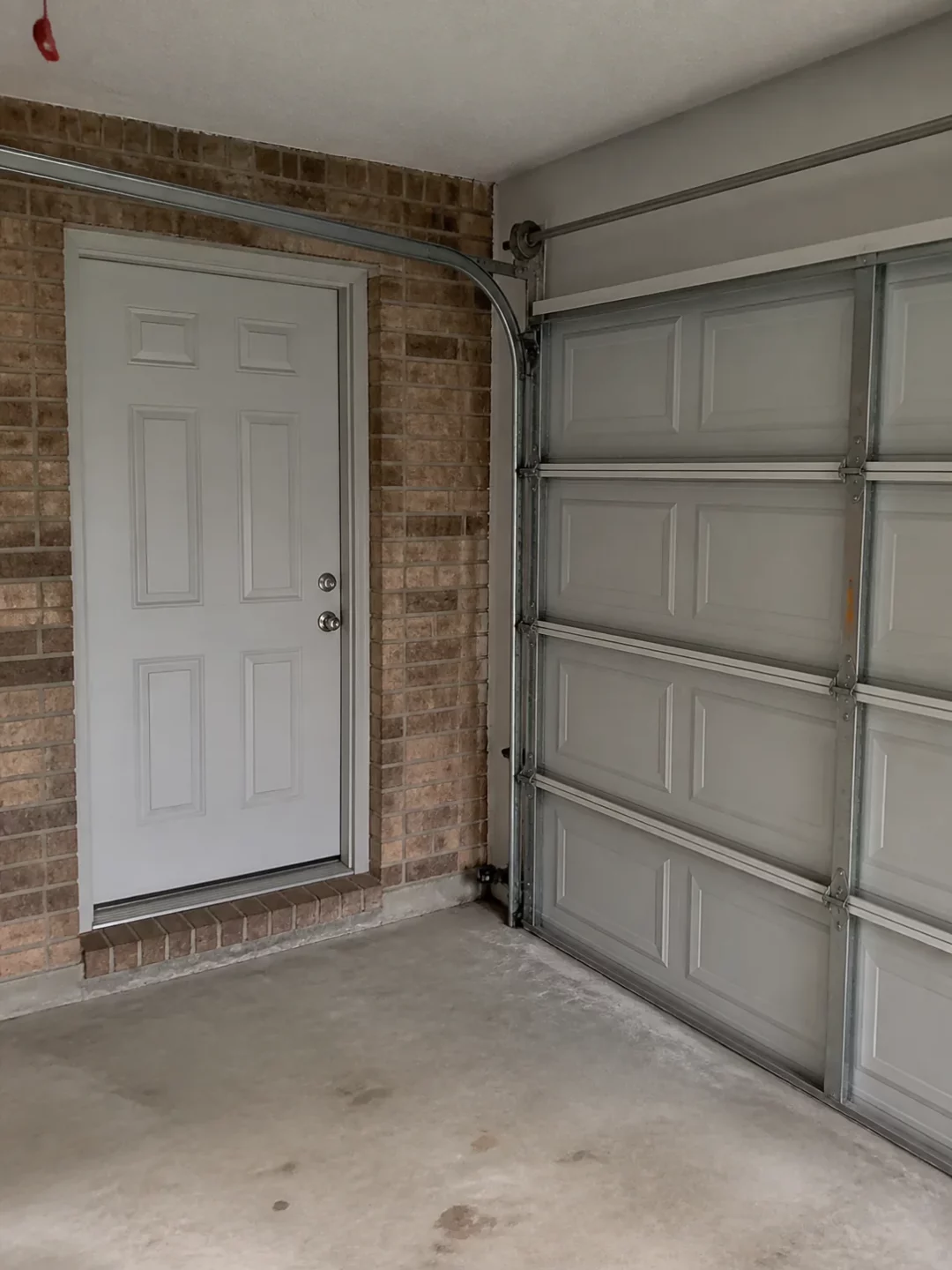
Choose repair when the lock is sound but the door is not lining up
Repair often makes sense when a working lock is being held back by the door or frame. A strike plate can loosen. Hinge screws can loosen. Seasonal movement, wear, or a past hard close can leave the latch out of line.
Look for clear signs that point to alignment. The latch may leave scrape marks on the strike plate. The deadbolt may work with the door open but bind when the door is closed. You may need to pull the door toward you before the key will turn. These signs do not confirm the cause, but they show why a lock-only change may not solve the problem.
A repair visit should look at the latch, deadbolt, strike plate, screws, hinges, door edge, and frame together. The goal is simple. The door should close, latch, and lock without force.
Rekey after a change in who may have a key
Rekeying changes the lock so old keys no longer work. It can be a good choice when the existing hardware is in usable condition but key control is uncertain. Consider it after moving in, after a key is lost, after work crews had access, or when a spare key was not returned.
Rekeying does not repair a worn deadbolt, strengthen a weak strike, or fix a door that will not latch. It addresses the key pattern. If both key history and hardware condition are concerns, you may need rekeying along with repair or replacement.
Before the visit, gather every key you still use for the garage side door and the attached-garage door. Tell the locksmith which locks you want to work with the same key, if that is your goal. Do not assume all existing locks can be made alike without checking the hardware first.
Replace worn hardware and build the lock around the frame
Replacement deserves consideration when hardware is badly worn, the deadbolt does not operate dependably, parts are missing, or the lock cannot be repaired to work smoothly. It may also be the better path when the door has only a knob or lever latch and no dependable deadbolt.
For a side door that opens outside, start with a solid door, a deadbolt, and a strike plate that is securely fastened to the frame. The lock should be matched to the door’s thickness, handing, existing holes, and condition. A locksmith can inspect those details before installing hardware.
When comparing residential locks, look beyond the package design. The BHMA Certified Residential Hardware Program says its labels rate residential locks and deadbolts for Security, Durability, and Finish using Good, Better, or Best ratings. A certified label can give you a way to compare products, though the right choice still depends on the door and frame.
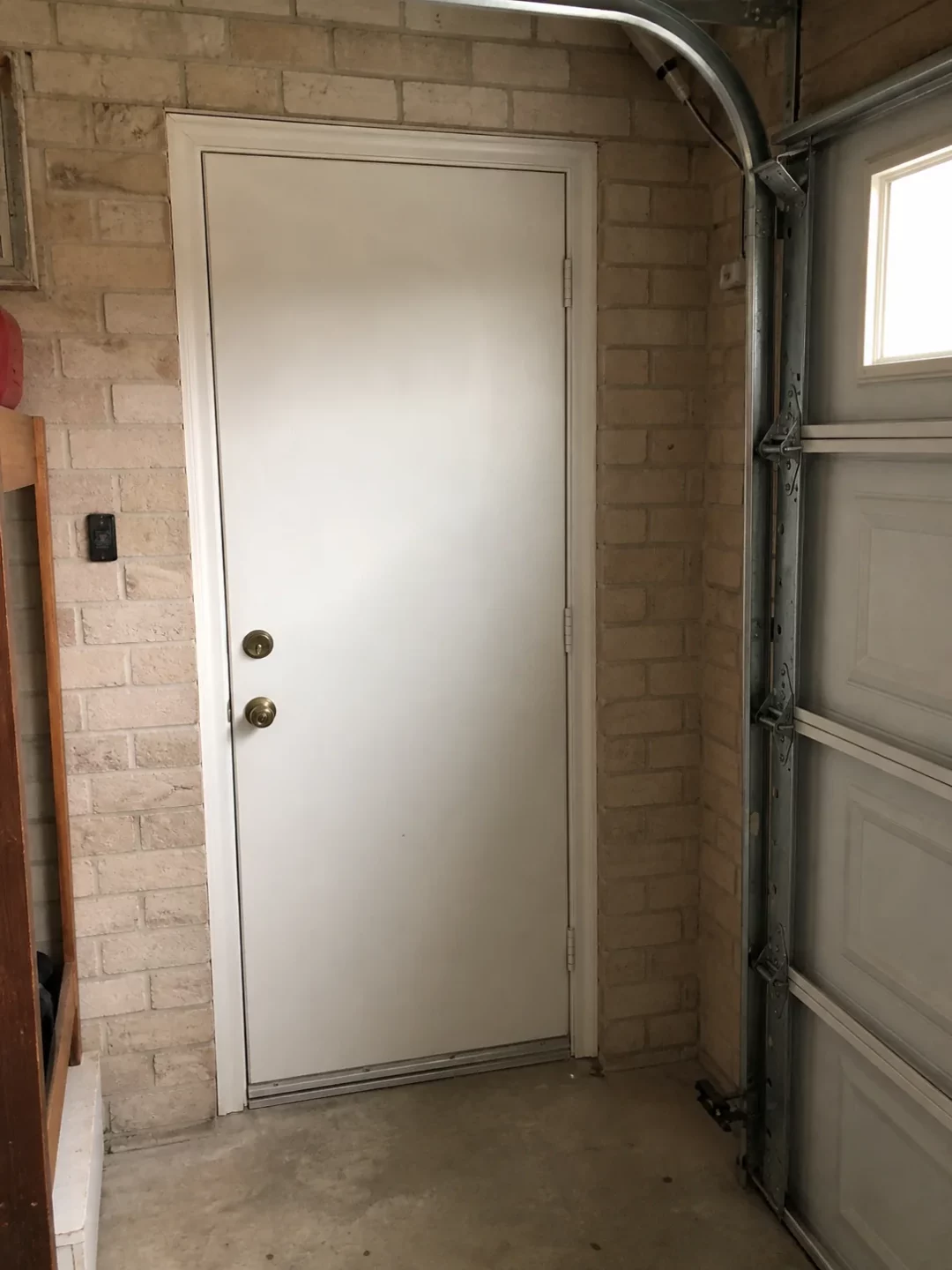
Give the attached-garage door a separate safety check
The door between an attached garage and the house does more than control access. It also separates the garage from the living area. Check whether it closes all the way and latches without someone pulling it shut.
The Houston Permitting Center building code enforcement comments state that the door between a garage and residence should be solid wood or steel at least 1 3/8 inches thick, or have a 20-minute fire rating. The comments also state that the door must be self-latching and self-closing or automatic-closing. Requirements can depend on the property, the work being done, and local enforcement, so an inspection is needed to judge a specific home.
A door that has been propped open, has a disconnected closer, or will not latch needs attention. Do not wedge it open for daily convenience. Keep boxes, bikes, and storage clear of its swing path so it can close fully.
Make the garage part of your daily lock routine
Small habits help the hardware do its job. Use this short check before bed or before leaving for a trip.
- Close and lock the garage side door.
- Confirm the overhead door is fully closed.
- Make sure the garage-to-house door has closed and latched.
- Keep vehicle keys and garage remotes out of sight and away from the garage.
- Do not leave a spare house key in the garage.
- Check that the strike plate and lock trim are not loose.
If the garage is the family’s main entrance, put this check where it fits your routine. A lock that feels different from one day to the next is worth checking early, before the key, latch, or deadbolt stops working.
Know what to tell a locksmith before the appointment
A few details can help focus the visit. Note which door is involved, whether it is a side door or the door into the house, and what happens when you close and lock it. Take a photo of damaged hardware if it is safe to do so. Keep the door unlocked only while you are present and working on the issue.
For help with a side garage door, Emergency Locksmith offers a Locksmith for garage service. Ask for an assessment of the door, lock, strike plate, and key needs together so the proposed work matches the actual problem.
Garage door lock questions
Can I use the same key for my garage side door and front door?
Sometimes, but it depends on the lock types and their key systems. Bring or identify the keys you use now and ask whether the existing hardware can be set up that way. If it cannot, you can still choose a replacement plan that fits how many keys you want to carry.
Should I add a keypad lock to a garage side door?
A keypad may suit a household that wants keyless daily entry, but the door must be a proper fit for the chosen hardware. Check the product instructions, door preparation, weather exposure, and how you will manage access codes before installation. Keep a plan for entry if the lock needs power or service.
What should I do if my garage key breaks in the lock?
Stop turning the remaining key piece and avoid putting glue, oil, or tools into the keyway. Keep the door secure if you can do so without forcing it. A locksmith can assess the broken key and the lock condition without turning a small problem into a damaged cylinder.
For garage entry door lock repair, rekeying, or installation in Houston, call Emergency Locksmith at 832-979-9228. Tell the technician which garage door you use and what the lock is doing, then arrange the next step for your home.