
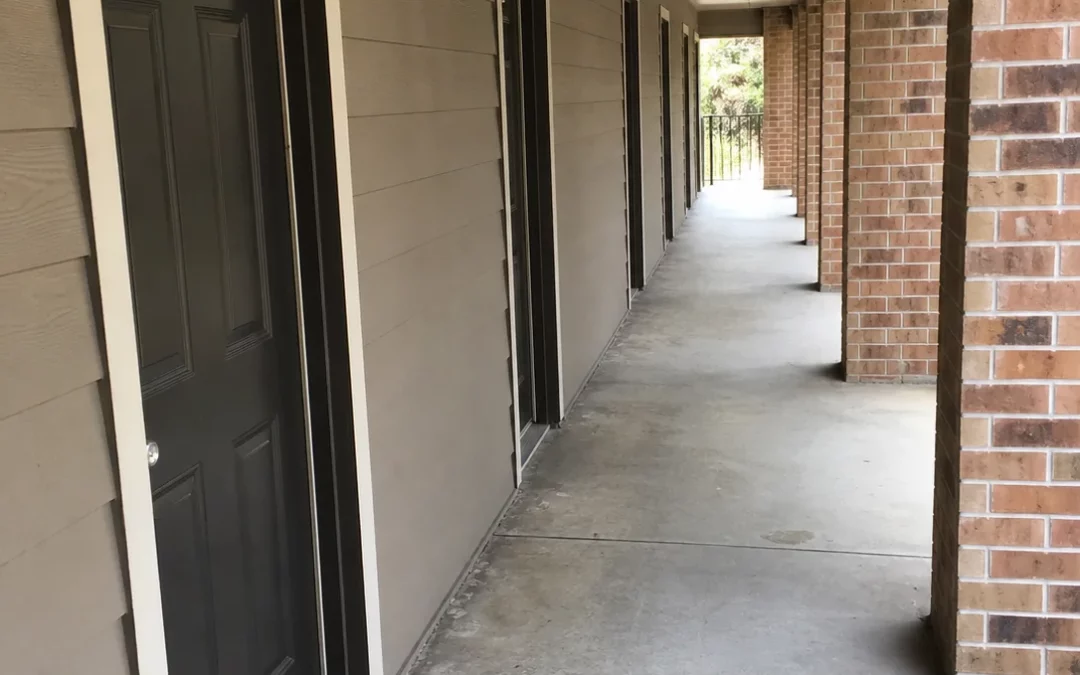
If you have apartment lock problems, call your leasing office or after-hours property contact first unless there is an immediate safety threat. They can confirm who may approve work on the door. A locksmith can help with a lockout, lost key, broken key, or faulty lock after you can show ID and proof that you may enter the apartment.
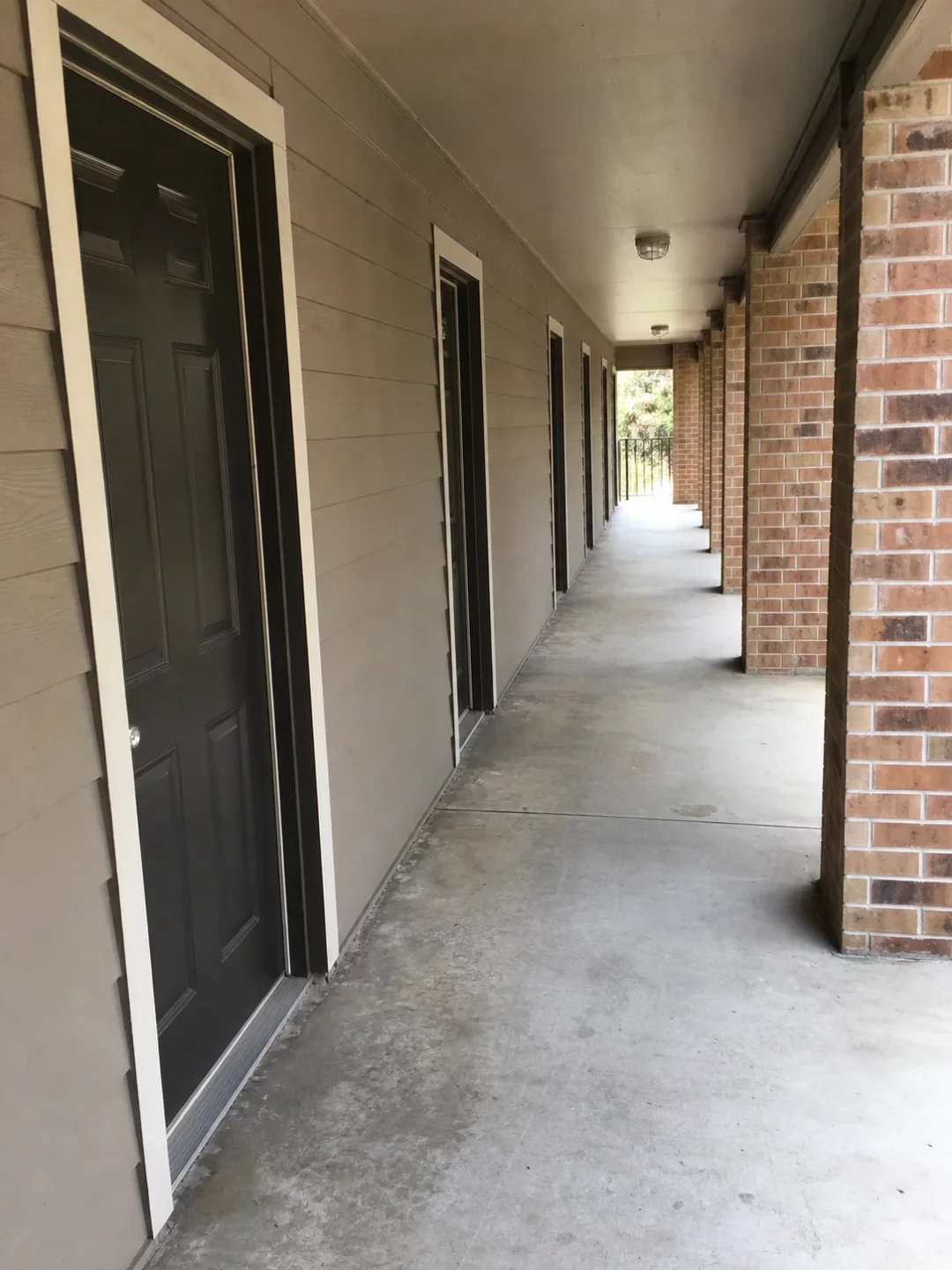
Start with the apartment office before changing anything
Your apartment door, key system, and smart lock may be part of the property’s security plan. The office may keep records for keys, master keys, restricted keyways, gate access, or an approved smart-lock provider. Calling first can prevent a new problem after the door is open.
Texas law generally says a tenant may not remove, change, rekey, replace, or alter a security device without the landlord’s permission. Read the wording in Texas Property Code Section 92.163 and check your lease for the rules that apply to your unit. A lease may also say who handles a lockout, who provides replacement keys, and who approves repairs.
Ask the office or after-hours contact these questions before scheduling work.
- Can you send maintenance or authorize a locksmith?
- Is there an approved locksmith or smart-lock vendor?
- Does the door use a master-key system or a restricted key?
- Who should the locksmith call when they arrive?
- Are there rules for gate entry, visitor parking, elevators, or loading zones?
- Will the property replace the lock or key after the visit?
Write down the name of the person who gives instructions and the time of the call. If the office does not answer, look for the after-hours number in your lease portal, on posted notices, or in a prior office email. Don’t rely on a neighbor’s advice about access rules.
Match the problem to the right next call
Apartment lock problems can look alike from the hallway, yet the next step can differ. Describe what happened without trying to take the lock apart.
You are locked out with a working key inside
Tell management that you are outside the unit and whether your key is inside. Ask whether staff can verify you and provide entry or whether they authorize a locksmith. A locksmith may be able to provide lockout service once access is approved and your identity is checked. Keep your hands off the lock, strike plate, and door frame. Force can damage the door and can create a repair issue.
Your key is lost or stolen
Report a lost key right away. The office needs to decide whether the key is tied to a building system and whether the lock needs to be changed or rekeyed. A missing key can be different from a simple lockout because someone else may have it. Don’t order a copy or ask for a new key until you know the property’s process.
The key turns poorly, breaks, or will not work
Stop if the key bends, catches, or needs force. A worn key, a damaged lock, a door that has shifted, or a key-system issue may be involved. Save every broken piece of the key. Take a clear photo if you can do so without showing a unit number, key cuts, or private paperwork. Tell the office whether the key works in the deadbolt, the handle lock, the building door, or none of them.
The lock, door, or smart lock does not work
Tell management what you see. A deadbolt may not line up with the frame. A latch may not catch. A keypad may show an error or have no power. A fob may fail at the building entrance while the apartment key still works. Those details help the office decide whether to send maintenance, reset a property system, or approve locksmith work.
Texas renters may request repair or installation when required security devices are missing or defective. The Texas Attorney General renter rights page lists security-device information and points renters toward the state rules. Keep your repair request in writing when you can, and save copies of messages and photos.
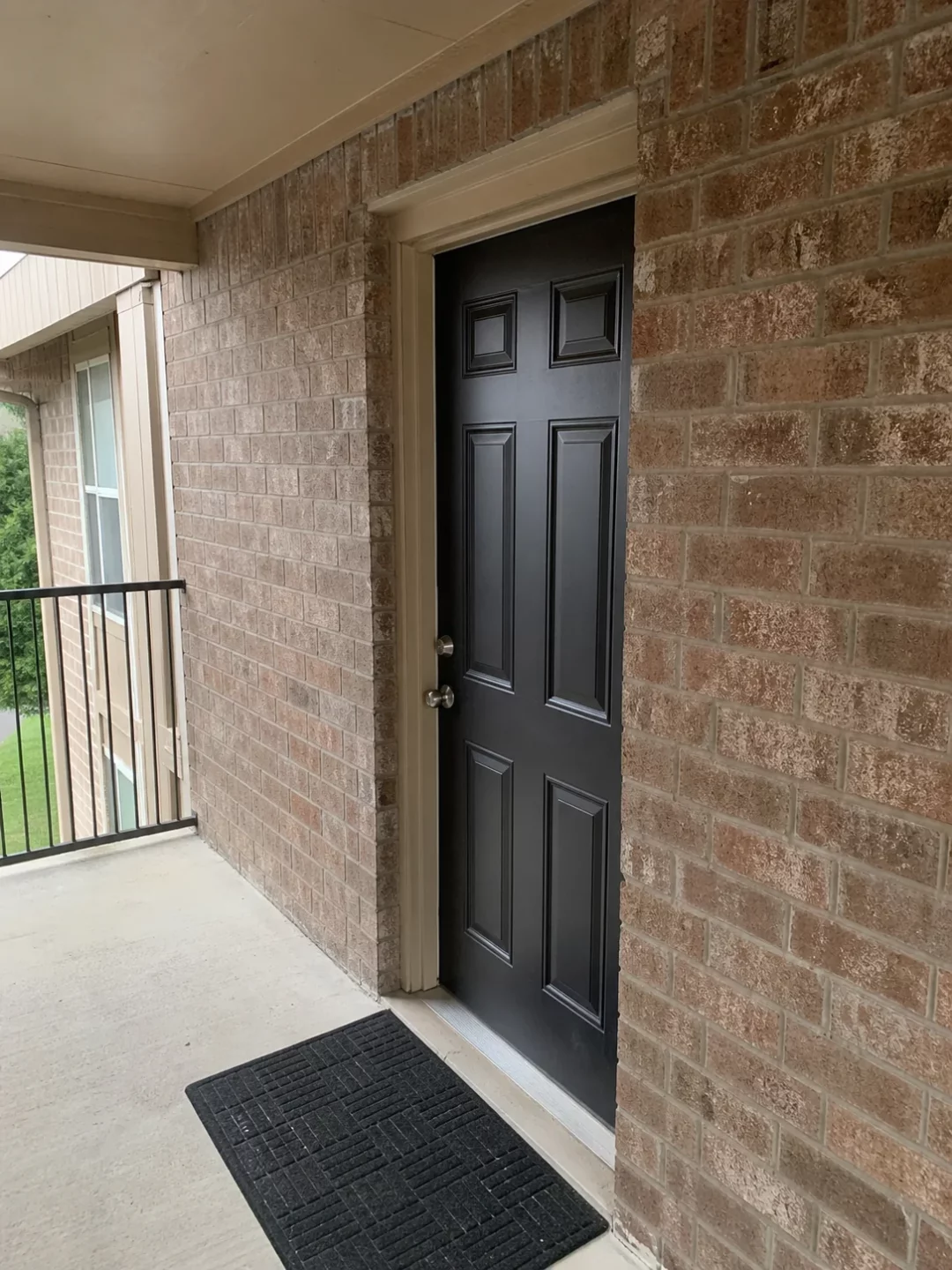
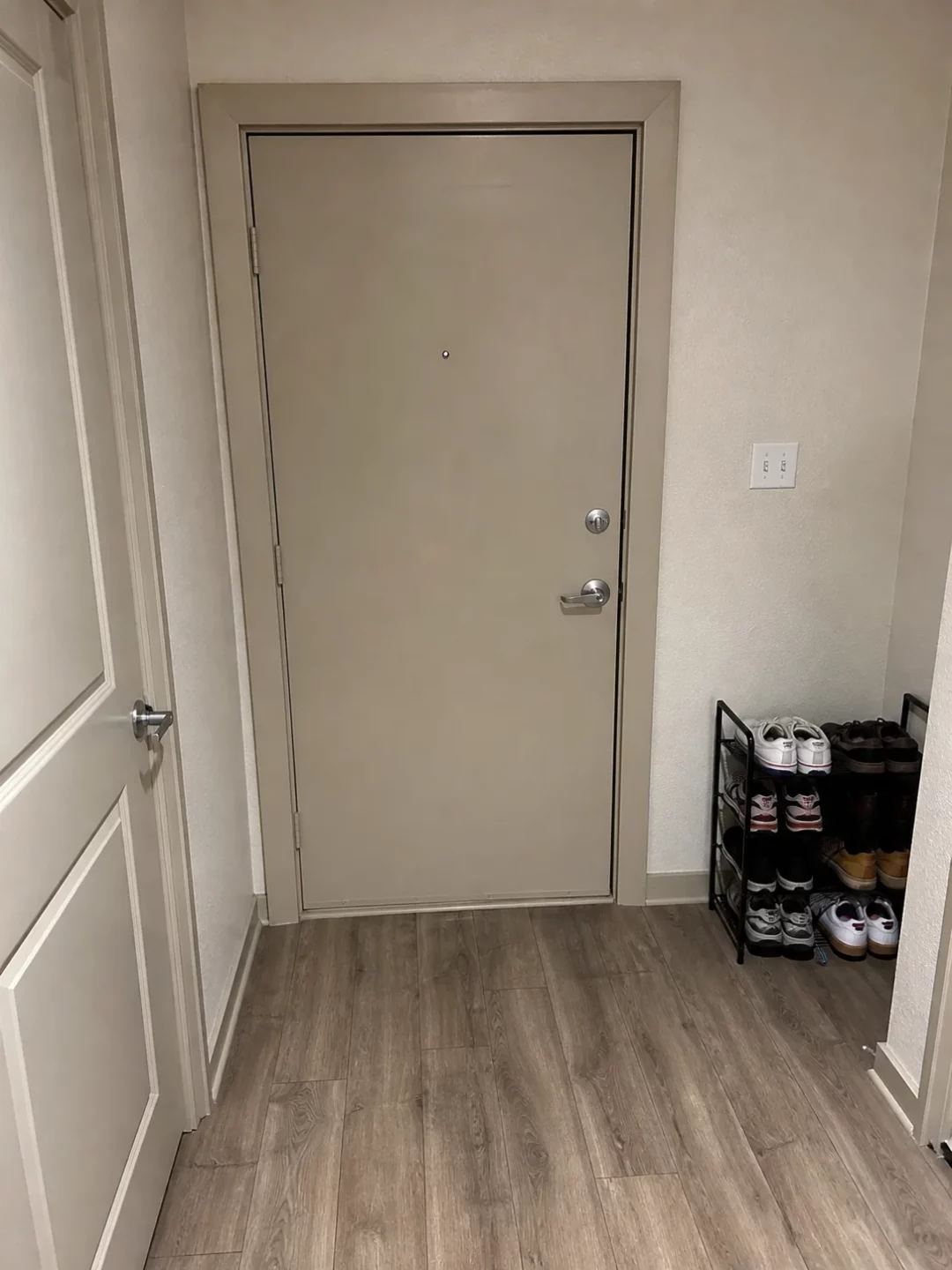
Have proof of access ready for the locksmith
A real locksmith should check that you have a right to enter before opening an apartment door. The entry-service rule in Texas Occupations Code Section 1702.2865 says a locksmith must get government-issued identification and signed authorization that the customer owns or has legal access, unless there is an imminent threat.
Prepare what you can before you call. If your ID is locked inside, say so at the start. The locksmith and property contact can explain what other proof they can accept.
- Government-issued photo ID
- Your apartment address and unit number
- A lease, resident portal record, rent receipt, or other record that shows your tenancy
- The leasing office phone number and after-hours contact
- The name of the staff member who approved the visit, if approval was given
- Gate instructions and a legal place for the service vehicle to park
Protect your privacy while you wait. Don’t post a photo of your key, lease barcode, access fob, or door number on social media. Don’t send those items to an unknown number. Give proof directly to the property contact or locksmith when asked.
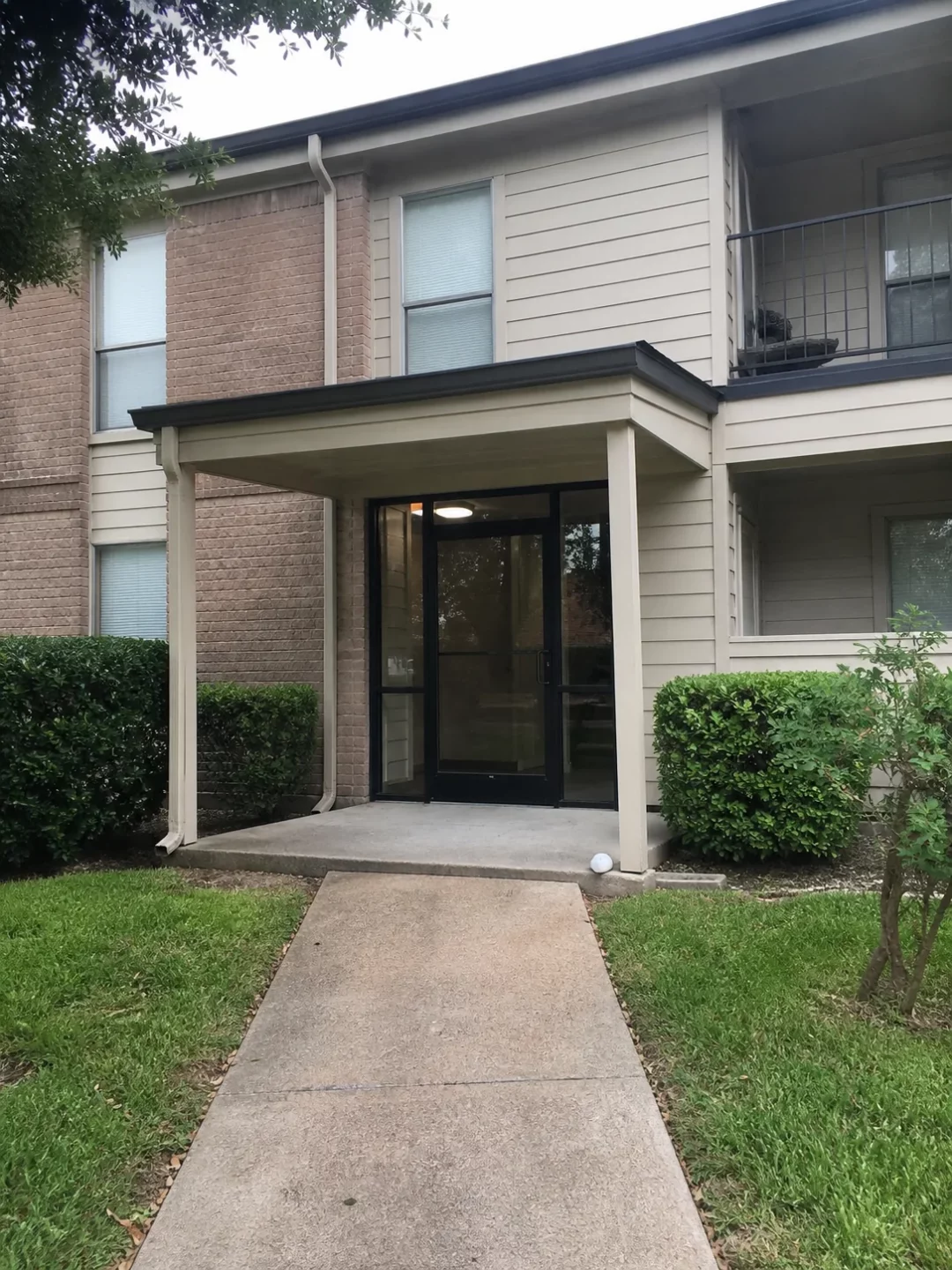
Give a clear description when you call
A short, accurate call helps avoid sending someone for the wrong kind of work. Start with the location, then explain whether you are locked out, have lost a key, or have a lock that will not work. Say whether you are outside the apartment, inside but unable to secure the door, or unable to enter the building.
Share practical access details for a Houston apartment complex. Mention a gate code process if management permits it, visitor parking limits, a garage entrance, elevator access, and the after-hours office contact. If the property requires staff to meet a vendor, say that before dispatch.
It also helps to describe the hardware in plain words. You might have a standard key and deadbolt, a keypad, a fob reader, a card reader, or a smart lock controlled by an app. Don’t guess at the brand or try to reset an app while standing outside. The office may control the account, code, or device.
Know when the situation needs emergency help first
A lockout can become urgent when a child, vulnerable adult, or pet is alone in unsafe heat or cold, or when there is fire, smoke, a medical emergency, or a threat of violence. Call 911 first for a trapped person, fire, or smoke. Then notify the apartment’s emergency contact when it is safe to do so.
For a normal lockout, avoid risky shortcuts. Don’t climb balconies, enter through windows, damage a screen, or force a shared-entry door. Those choices can lead to injury, property damage, or a security issue for other residents.
Choose service that fits apartment rules
Once management has approved outside help, use a locksmith who will verify access and follow the property’s instructions. Ask what information the technician needs before arriving. If lock work may be required, ask management whether it wants a repair, a replacement, or a rekey. The decision belongs with the party authorized to alter the apartment door.
Emergency Locksmith lists apartment lockouts, key duplication, rekeying or replacement, smart-lock help, and door repair on its locksmith for apartments service page. Give the dispatcher the approval contact and access details you collected so the visit can follow the property’s rules.
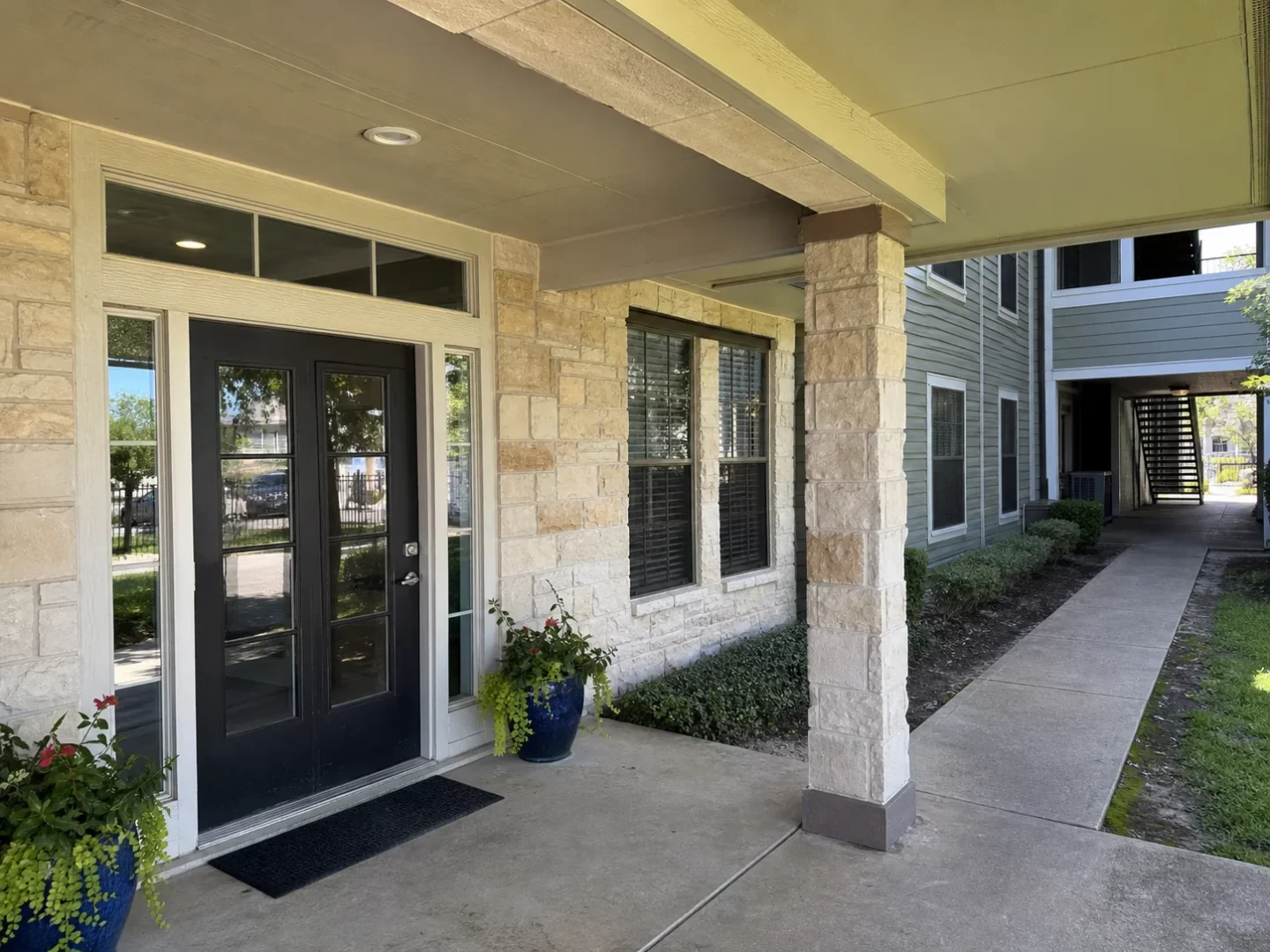
Questions renters often ask
Can a locksmith make a new apartment key?
That depends on the property’s key system and approval process. A standard key may be handled differently from a restricted key, electronic fob, building card, or app-based credential. The leasing office can tell you whether it issues the replacement itself or allows a locksmith to make it.
What if my ID is inside the locked apartment?
Tell the locksmith before service begins. You may be asked for another form of proof, a property contact who can confirm your tenancy, or both. Don’t expect a locksmith to open the door without confirming that you have legal access.
Can I replace a broken deadbolt myself?
Get written permission first. The door may need a specific lock type, keyway, finish, fire rating, or master-key setup. A lock that fits the hole may still conflict with the property’s security plan or leave the door unable to latch correctly.
Should I keep a spare apartment key outside?
Check your lease before making or storing a spare. Avoid hiding a key near the unit, under a mat, or in a shared area. If the property allows a spare, choose a plan that does not expose your unit number or give strangers easy access.
If you have an approved apartment lockout, lost key, or lock problem in Houston, call Emergency Locksmith at 832-979-9228 for locksmith service and have your ID, proof of access, and property contact ready.