
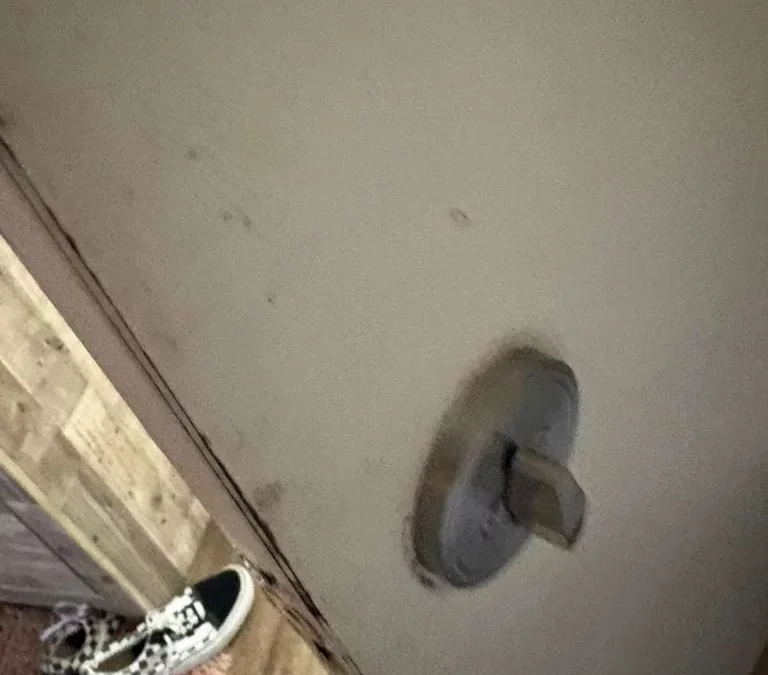
If your door lock is hard to turn, first try it with the door open and then shut. Smooth when open but stiff when shut usually points to door or strike alignment. Stiff in both positions may point to the key or lock itself. Don’t force it, since a bent key or a failed lock can leave you locked out.
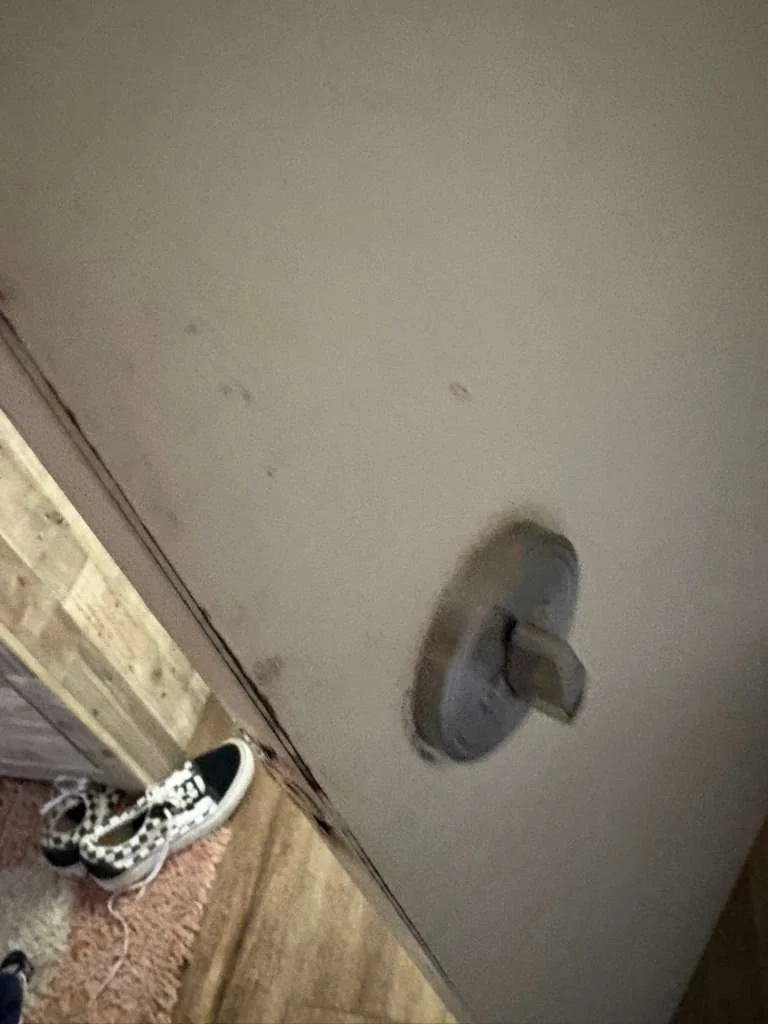
Start with the open-door test
This is the simplest safe check because it separates the moving door from the lock. Take your usual key, unlock the door, and leave it open. Turn the key slowly to lock and unlock it several times. If there is a thumb turn inside, test that too.
Then close the door without turning the key. Test the same motions. Kwikset’s door alignment check uses this open-versus-closed comparison to help tell whether resistance comes from the bolt meeting the frame or from the lock.
- Easy when open and hard when shut suggests the bolt is rubbing, missing, or pressing against the opening in the frame.
- Hard in both positions suggests you should look at the key, the keyway, the thumb turn, or the lock’s moving parts.
- Hard only from one side can point to a worn key or trouble with that side of the lock.
Stop the test if the key starts to flex, catches so firmly that you need force, or will not come back out easily. A key can break in the lock, turning a repair into a lockout.
Check the key before blaming the lock
Keys get worn down through daily use. Compare the key you use most with a spare that has had less use. Look for worn edges, twists, cracks, or teeth that no longer look sharp. Don’t try to straighten a bent key. It may snap when you turn it.
If a less-worn spare works better, stop using the worn key and have a new copy made from the better key. ASSA ABLOY notes that high-use keys should be replaced when their opening function declines. A new key may solve a key problem, though it will not fix a damaged lock or a door that is out of line.
Use the right key for the door. Similar keys can slide partway into a keyway and still fail to turn. That mistake can damage both the key and the lock.
When the door is the problem
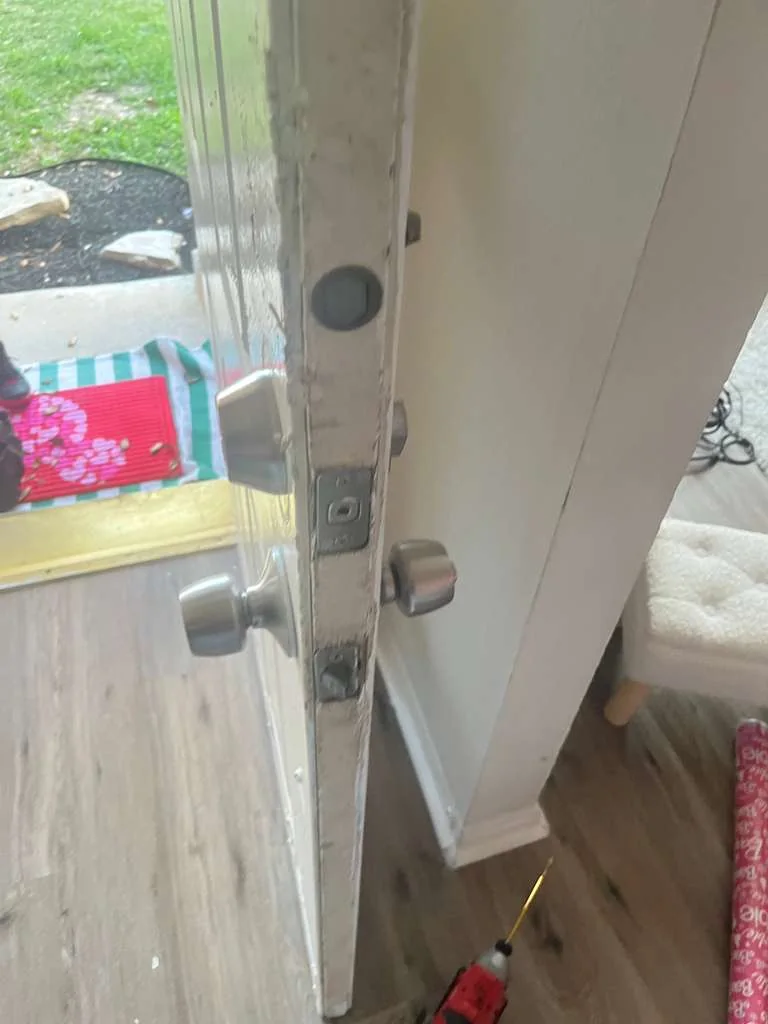
A closed door can shift enough for a deadbolt to drag on the strike plate. The strike plate is the metal piece on the frame where the bolt enters. You may notice the problem when you have to push, pull, lift, or lean on the door to turn the key.
Look at the door gap around the frame while it is shut. Uneven gaps, rubbing along an edge, loose hinge screws, or a latch that does not sit cleanly can all hint that the door fit has changed. Don’t remove the strike plate or enlarge its opening as a first response. A poor change to that opening can affect how the door latches and locks.
Also check for weather stripping that is bunched, loose, or pressed into the bolt path. Schlage notes that weather stripping can obstruct a bolt. The same source says a deadbolt needs a properly placed and deep enough pocket in the frame to extend fully.
These signs support a door-fit check.
- The lock turns with the door open but binds only after closing it.
- You must move the door to get the bolt to lock.
- The bolt leaves fresh scrape marks on the strike plate.
- The bolt stops short of its normal locked position.
- The door has begun sticking at the frame.
A loose hinge screw may be easy to spot, but don’t keep tightening or adjusting parts if the door is sagging or the bolt is binding. Repeated force can wear the bolt and strike plate.
Use lubricant only if your lock maker allows it
Dirt inside a keyway can make a key feel rough. Still, spraying a household product into the lock without checking the lock maker’s instructions can make the trouble worse. Lubricant rules vary by lock type and brand.
Don’t use cooking oil, motor oil, grease, or a random household spray in the keyway. ASSA ABLOY warns that grease, oil, and graphite-based lubricants can clog some lock cylinders. A lock cylinder is the part that reads the key and lets it turn.
If you have the lock’s manual, follow its cleaning and lubricant directions. If you do not know the brand or product, it is safer to leave the inside of the lock alone. Wipe dirt from the outside of the key and lock face with a dry cloth. Keep paint, cleaners, and moisture out of the keyway.
Check loose hardware without taking the lock apart
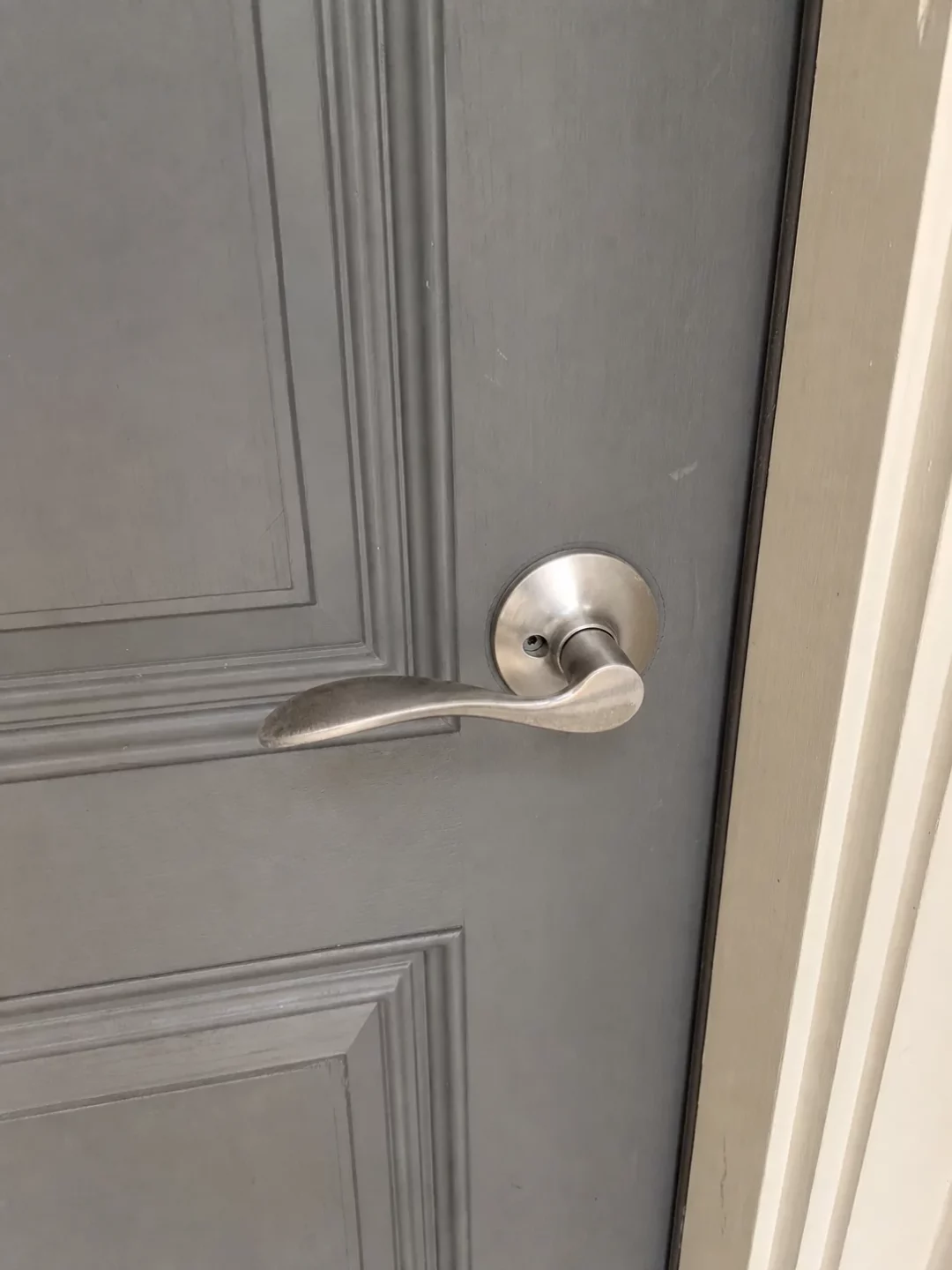
Loose screws around a handle, deadbolt, or interior thumb turn can make the parts feel misaligned. With the door open, look for hardware that shifts when you turn the key or thumb turn. Check visible screws for looseness.
A screw that is plainly loose can be tightened gently with the right screwdriver. Stop if the screw spins without catching, the lock body moves inside the door, or tightening changes how the lock turns. Avoid taking apart the cylinder or removing springs and small parts. A partially reassembled lock may not secure the door.
If the lock has an electronic keypad or smart features, check its maker’s instructions before touching the setup. A low battery can affect electronic functions, but it does not explain every stiff mechanical key or bolt. Keep the physical key available if your lock uses one.
Know when repair makes more sense than waiting
A lock that works only after several tries is not dependable. Schedule help before it fails if the resistance keeps returning after the open-door test and a key check. The timing matters most for an exterior door that you rely on every day.
Choose residential lock repair when you need a technician to inspect the lock, key, door fit, and strike area together. Emergency Locksmith lists lock repair for jammed locks and worn mechanisms in Houston.
Repair may be a fit when the lock can be restored and the door hardware remains suitable. Replacement may be worth discussing when the lock is badly worn, damaged, missing parts, or no longer matches your home’s needs. A technician can check the condition before you decide.
Stop using the lock and call sooner if you see these warnings
Some problems can turn into a locked door with little warning. Don’t keep testing a lock that shows any of these signs.
- The key bends, twists, or feels close to breaking.
- The key gets stuck in the keyway.
- The deadbolt will not fully extend or retract.
- The thumb turn jams or spins without moving the bolt.
- The lock is loose, cracked, or damaged after an attempted break-in.
- You cannot secure an exterior door before leaving or going to sleep.
Use another secure entrance if you can do so safely. Don’t leave an exterior door held shut by an object or rely on a partly extended deadbolt. If a person is trapped, or there is a fire or smoke, call 911 first.
Questions homeowners ask
Can a new key fix a stiff door lock?
It can help when the old key is worn, bent, or copied from another worn key. Test a lightly used spare before ordering a new copy. If every key feels rough in the same lock, a new key alone may not solve the problem.
Should I lock the door if the deadbolt does not go all the way in?
No. A deadbolt that stops short may not secure the door as intended. Use a different secure entrance if available and arrange service so the bolt, strike plate, and door fit can be checked.
Can paint cause a lock to become hard to use?
Yes. Paint can get into the keyway, around the bolt, or on the strike plate after door or frame work. Don’t scrape inside the lock with a metal tool. A locksmith can assess whether paint or another problem is blocking the moving parts.
Is a sticky lock an emergency?
It may be urgent when it is the only entrance you can use, when the key may break, or when the door cannot be secured. If the lock still works and the door is secure, arranging service before it fails can help you avoid a lockout.
For a stiff, sticking, or unreliable home lock in Houston, call Emergency Locksmith at 832-979-9228. Its mobile locksmith service is available around the clock and can inspect the lock and door so you can choose the next step.