
Blog
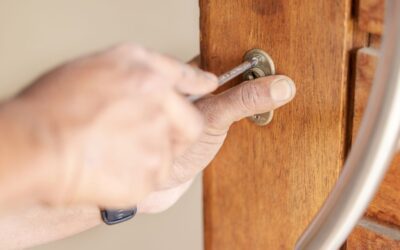
Rekey vs Repair vs Replace, How to Pick the Right Lock Fix
If your lock still works and the main issue is old keys or lost keys, rekeying is often the best pick. If the lock sticks, feels loose, or has a worn part, repair may do the trick. If the lock is badly damaged, very old, or no longer reliable,...
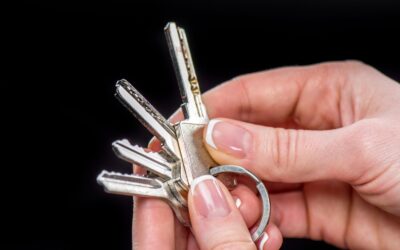
Can You Keep Your Existing Keys With New Hardware?
Yes, often you can keep your existing keys with new hardware by rekeying the new lock to match your current key. The catch is simple, the new lock must be the right type, the right keyway, and in good shape. If the lock brand, cylinder style, or...
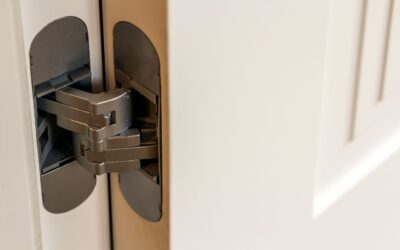
Strike plate and hinge adjustments that solve most jams
Most door jams come from small alignment problems, not a broken lock. A strike plate adjustment or hinge adjustment can often fix a sticky latch, a rubbing door, or a lock that only works when you shove the door like it owes you money. With a...
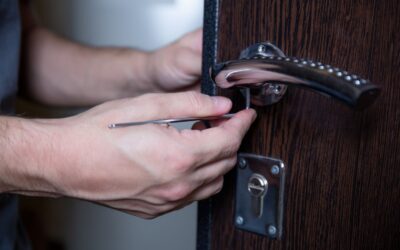
What a Residential Locksmith Visit Includes, From Arrival to Final Test
A residential locksmith visit usually starts with ID checks, a quick look at the lock or door, and a few questions about what went wrong. Then the locksmith explains the issue, does the repair, rekey, lock change, or lockout work, and tests...
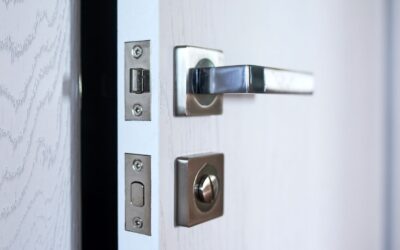
Rim, Mortise, and Concealed Door Locks, Where Each Fits
Picking between rim, mortise, and concealed hardware is like picking boots for a job site. The right pair feels easy, the wrong pair trips you all day. Rim hardware mounts on the door surface, mortise hardware fits inside a pocket cut into the...

Hardware Grades Explained for Offices and Warehouses in Houston
Door hardware grades tell you how tough a lock or latch is, kind of like how work boots get rated for the job site. Higher grades handle more daily use and more abuse, while lower grades fit quiet doors with less risk. For offices and warehouses,...

Master Key Systems Explained in Simple Terms, Tiers, Permissions, and Best Use Cases
A master key system lets you open many doors with fewer keys by setting up a clear key hierarchy. Each person gets a key that opens only what they need, while managers can carry a master key that opens more doors. It saves time, cuts key clutter,...
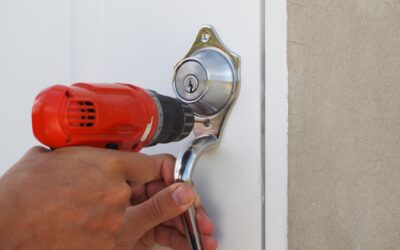
DIY Lock and Key Fixes You Can Try, and When to Stop and Call a Locksmith in Houston
If your lock acts up, you can try a few safe DIY steps first, like checking door alignment, cleaning out grit, or using the right lubricant. The trick is knowing when to stop. If you see a bent key, a jam that will not clear, a loose lock, or signs...
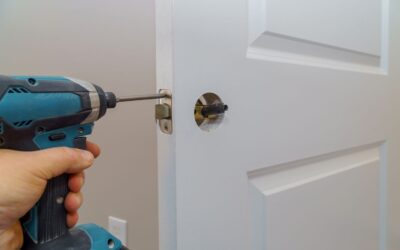
Door Prep for a Smooth Lock Install, Measure Right, Check Backset, Skip Surprises
A smooth lock install starts before you touch a screwdriver. Measure your door thickness, check the backset, confirm the door hand and swing, and look at where the strike hits the frame. These quick checks help your new deadbolt or knob fit right,...

How Many Spare House Keys to Keep (and Where to Store Them)
Keeping 2 to 4 spare house keys is usually enough for most homes. Give one to a trusted person, keep one in a safe spot at home, and keep one as a backup you can reach fast. The goal is simple, get back in when you need to, without making it easy...