
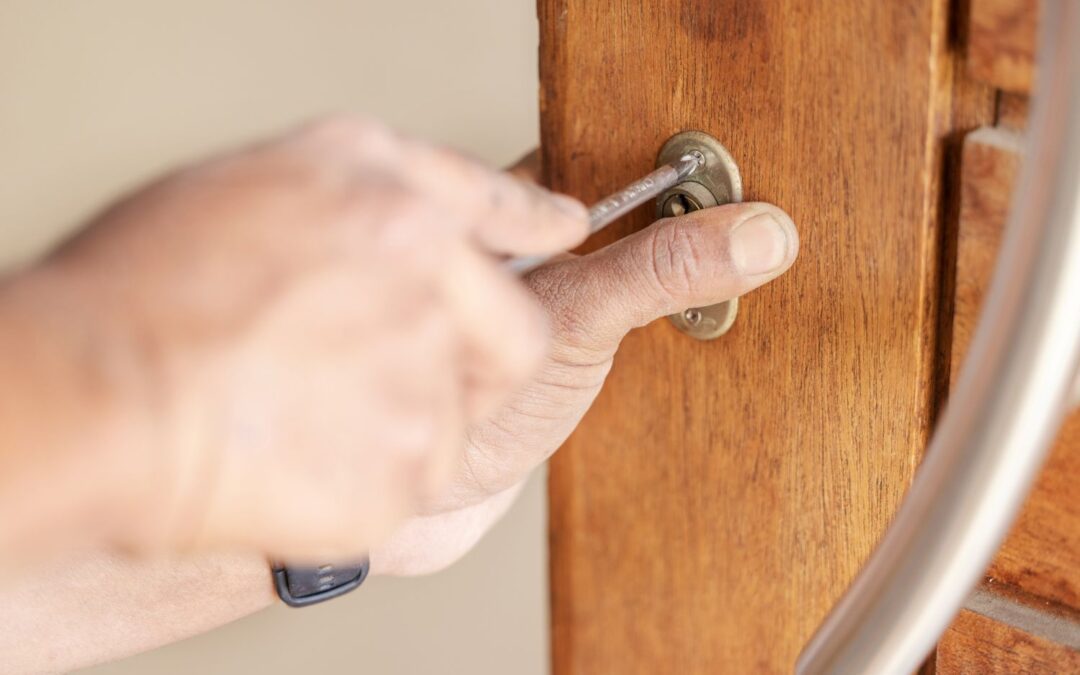
If your lock still works and the main issue is old keys or lost keys, rekeying is often the best pick. If the lock sticks, feels loose, or has a worn part, repair may do the trick. If the lock is badly damaged, very old, or no longer reliable, replacement makes more sense. Think of it like boots, if the laces are bad, swap the laces. If the sole is loose, fix it. If the boot has a hole, it is time for a new pair.

Start with the lowest workable option
Most people do not want to replace a lock if they do not have to. That makes sense. If a lock can be rekeyed or repaired and still work well, that is often the smart move.
Here is the simple way to think about rekey vs repair vs replace.
- Rekey when the key control is the problem
- Repair when a part or setup issue is the problem
- Replace when the lock is too worn, too damaged, or not worth saving
A lock is a bit like a quarterback. If the playbook changed, you do not need a new player, you need a new call. That is rekeying. If the player twisted an ankle, he may need treatment. That is repair. If he retired ten years ago and can barely jog, it is time to bring in someone new. That is replacement.
What rekeying really does
Rekeying changes the inside pins of the lock so old keys stop working and a new key works instead. The lock body stays in place.
This is often the best pick after:
- Moving into a home
- Losing a key
- Lending keys to workers, tenants, or old roommates
- A breakup or family change
- Buying a rental property
If the lock is in good shape, rekeying solves the access problem fast. You keep the hardware, but old keys become useless. That is a clean fix.
Rekeying can also help if you want fewer keys on your ring. A locksmith may be able to set several doors to work with one key, if the lock types match. Your pocket will thank you.
When repair makes sense
A lock repair fixes a mechanical issue without changing the whole lock. Maybe the latch does not line up. Maybe the key goes in but feels gritty. Maybe the deadbolt turns like it had too much barbecue and needs a nap.
Repair may be the right move when:
- The key sticks
- The lock turns hard
- The latch does not catch right
- The strike plate is out of line
- A screw came loose
- A part inside is worn, but the lock is still worth saving
Many lock problems come from the door, not just the lock. Houston homes deal with heat, humidity, and rain. Wood doors can swell. Frames can shift a little. A lock that worked fine in spring can start acting up in late summer. That does not always mean the lock is bad. It may just need adjustment.
A quick safety note, if a lock jams often, do not force it hard with the key. Keys snap. Then you have two problems.
When replacement is the better call
Sometimes a lock has reached the end of the road. It happens. Metal parts wear down. Springs weaken. Rust can build up. After a break-in attempt, the outside may look okay while the inside is bent or cracked.
Replacement is usually the safer path when:
- The lock is badly damaged
- The lock has failed more than once
- Internal parts are worn out
- Rust or corrosion is heavy
- The lock is very old
- The hardware is loose and no longer solid
- You want a stronger or different type of lock
If your lock feels sloppy, takes a jiggle every time, or only works when the moon is in the right mood, replacement may save you time and stress.
A quick side by side look
| Option | Best for | Keeps same hardware | Main goal |
|---|---|---|---|
| Rekey | Lost keys, move-in, key control | Yes | Stop old keys from working |
| Repair | Sticking, misalignment, loose parts | Yes | Make the lock work right again |
| Replace | Heavy wear, damage, old lock | No | Get a fresh, reliable lock |
How age, damage, and condition help you choose
Age of the lock
Age matters, but age alone does not decide everything. A well-kept lock can last a long time. A poorly kept lock can wear out much sooner.
Ask these questions:
- Is the lock brand still common and serviceable
- Has it worked well until now
- Does it feel solid or loose
- Has it had repeat issues
Older locks may still be good candidates for repair if the parts are sound. Yet if you have a lock that has fought every key for years, replacement may stop the cycle.
Damage type
Damage tells the real story.
Surface issues may point to repair:
- Loose trim
- Minor misalignment
- Sticky keyway
- Worn screws
Bigger damage points to replacement:
- Cracked cylinder
- Bent bolt
- Signs of forced entry
- Rust inside the lock
- Missing or broken internal parts
Condition of the door and frame
A perfect lock on a crooked door still acts up. If the latch or deadbolt does not line up with the strike plate, the problem may be in the door frame.
In older homes near areas like The Heights, shifting and swelling can show up over time. In townhome rows near Westheimer, heavy daily use can wear hardware faster. These are normal issues locksmiths see all the time.
A simple way to sort it out
Use this quick guide to narrow it down.
- If you moved in and do not know who has keys, then rekey
- If your key works but the lock sticks or binds, then repair
- If the lock has rust, cracks, or heavy wear, then replace
- If the door and frame are out of line, then repair or adjust first
- If old keys must stop working but the lock is fine, then rekey
- If the key broke off and the lock still works after removal, then inspect for repair
- If there are signs of forced entry, then replace
- If the lock has failed more than once in a short time, then replace
That is the whole ball game in a short list.
What we usually see in Houston, TX
In Houston, TX, lock issues often show up after wet weather, long hot spells, and normal house movement. We often see these patterns:
- Front doors that swell in humid months, causing sticky locks
- Exterior locks with grime and light corrosion after rain
- Rental homes that need rekeying after tenant changes
- Older deadbolts that feel loose after years of daily use
Heat and humidity do not play fair. They can make a lock feel older than it is. A little maintenance goes a long way.
A few myths people still believe
Myth: If a key turns, the lock is fine.
Fact: A lock can still be worn, loose, or out of line even if it turns.
Myth: Rekeying fixes a broken lock.
Fact: Rekeying changes key access, not worn or damaged parts.
Myth: A sticky lock just needs more force.
Fact: Force can bend parts or snap the key.
Myth: Replacing is always best.
Fact: Not every problem needs a full swap. Many locks can be rekeyed or repaired.
Signs you should not ignore
Small lock problems often start small, then get louder, like a truck with a squeaky belt.
Watch for these signs:
- You have to jiggle the key every time
- The deadbolt needs a shoulder shove to lock
- The key does not come out smoothly
- The latch misses the strike plate
- The lock feels loose on the door
- You see rust, bending, or cracks
These clues help you act early and avoid getting locked out at the worst time.
Weather matters more than people think
Houston weather can be rough on locks and doors.
Heat can dry and shift materials. Humidity can swell wood doors and add drag. Rain can bring moisture into exterior hardware. Sudden cold snaps, even short ones, can make stiff parts feel worse.
That is why a lock may work fine in the morning and act stubborn by evening. Weather does not ruin every lock, but it sure likes to stir the pot.
Keep exterior locks clean and dry when you can. If a lock starts sticking after a weather swing, get it checked before the problem grows.
For general weather information, see National Weather Service. For background on how locks work, see Wikipedia.
Care plan that keeps locks working longer
A little care beats a big hassle.
Weekly
- Look at the lock and handle for looseness
- Check if the key goes in and out smoothly
- Wipe off dirt around exterior hardware
Monthly
- Test the deadbolt and latch with the door open
- Tighten visible screws if they are loose
- Check door alignment and look for rubbing on the frame
Yearly
- Have a locksmith inspect any lock with repeat issues
- Rekey if key access has changed over the year
- Replace hardware that shows heavy wear, rust, or damage
Do not spray random grease into a lock. That can make dirt stick inside. Use the right lock service methods instead of a mystery can from the garage shelf.
When rekeying is the smartest move after a move
A lot of homeowners ask the same thing after closing day. Should I change the locks or just rekey them?
If the locks are in good shape, rekeying is often enough. You get fresh key control without changing every piece of hardware. That can be a solid fix for houses, condos, rent homes, and small offices.
Picture this. You get the keys, walk in, and start planning paint, tools, and where the couch goes. Then it hits you. The old owner had keys. Their family may have keys. A cleaner, dog walker, or contractor may have keys too. Rekeying shuts that door, plain and simple.
When repair saves a good lock
Some locks are worth fixing. Good hardware with a small issue can often be brought back into shape.
Common repair items include:
- Strike plate moves
- Latch alignment
- Cylinder cleanup
- Loose screws
- Minor wear in moving parts
If the lock body is still solid, repair can keep it going strong. This is common in homes where the lock itself is fine, but the door shifted a little over time.
When replacement gives peace of mind
Replacement makes sense when reliability is the main issue. If you have to wonder whether the key will work each time, the lock has already lost trust.
That matters at front doors, back doors, garage entry doors, office doors, and rental units. A fresh lock can remove guesswork and cut down on repeat problems.
You do not need drama from your front door. It already has one job.
FAQs
Is it better to rekey or replace locks after moving?
If the locks are in good shape, rekeying is often enough. If the locks are old, damaged, or loose, replacement may be the better pick.
Can a locksmith repair a lock instead of replacing it?
Yes, if the lock has a fixable issue like misalignment, a loose part, or minor wear. A damaged or worn-out lock may need replacement.
How do I know if my lock just needs rekeying?
If the lock works fine but you want old keys to stop working, rekeying is likely the answer.
Is a sticky lock a repair issue or a replacement issue?
It can be either. Sticky locks often need adjustment or repair first. If there is heavy wear, rust, or internal damage, replacement may be better.
Do Houston weather changes affect locks?
Yes. Heat, humidity, and rain can affect door fit and lock movement, especially on exterior doors.
Can all locks be rekeyed?
Many can, but not all. It depends on the lock type, condition, and brand.
Should I replace a lock after a break-in attempt?
If there are signs of force or damage, replacement is usually the safer path.
How often should door locks be checked?
A quick look every week helps. A closer check each month and a yearly inspection for problem locks can prevent bigger issues.
If your lock is sticking, worn, or you are not sure whether to rekey, repair, or replace, Emergency Locksmith can help you pick the lowest workable fix for your home, rental, or business in Houston, TX. You get clear help, solid work, and a lock that does its job without the drama. Call (832) 979-9228 or visit https://emergency-locksmith-services.com. You can also Contact Us for service.