
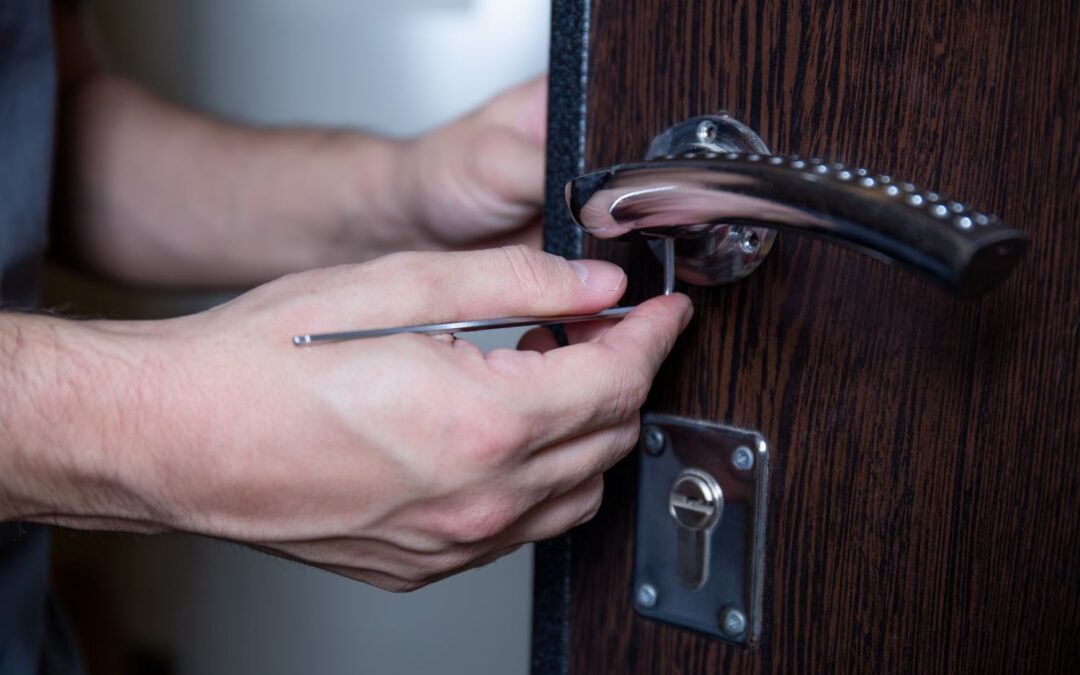
A residential locksmith visit usually starts with ID checks, a quick look at the lock or door, and a few questions about what went wrong. Then the locksmith explains the issue, does the repair, rekey, lock change, or lockout work, and tests everything before leaving. Most visits move faster when the area is easy to reach, pets are secured, and someone with authority to approve the work is on site.
What happens when the locksmith arrives
The first few minutes set the tone. A good visit is simple and calm. No smoke, no mirrors, no magic wand, just solid work.
When the locksmith gets to your home, the first step is usually a quick hello and a look at the problem. If you are locked out, they will confirm you live there or have permission to be there. That protects you and your property.
If you are not locked out, the locksmith will ask what you noticed. Maybe the key sticks. Maybe the deadbolt turns like it is stirring soup. Maybe the latch does not catch unless you shove the door with your shoulder like a football player. These small clues matter.
They will also look at the door, frame, strike plate, hinges, and lock type. Many lock problems are not just lock problems. A sagging door can make a decent lock act like a grumpy old man.
If you need help during a lock issue, Emergency locksmith service from Emergency Locksmith may be the next step, and you can also Contact Us for service details.
The first check is more than just the lock
A residential locksmith visit often includes a basic inspection of the full door setup. That means the locksmith may check:
- Lock brand and type
- Key condition
- Door alignment
- Strike plate position
- Latch movement
- Deadbolt throw
- Loose screws
- Signs of wear or forced entry
- Weather swelling from humidity or rain
This step saves time. If the locksmith only looks at the keyhole, they might miss the real cause.
In Houston, TX, humidity can make wood doors swell a bit, and heavy rain can leave doors sticky or hard to close. Summer heat can dry some parts out while making others expand. A lock may seem broken when the door is really the troublemaker. For weather background, see Houston.
For related home services, Residential locksmith, Residential lock repair, and Residential lock replacement may apply depending on what the inspection shows.
The questions you may hear
A locksmith will often ask a few simple questions before starting work:
- When did the problem start?
- Does it happen with every key?
- Is this the front door, back door, garage entry door, or mailbox?
- Has the lock been repaired before?
- Did someone move into the home recently?
- Did the door get hard to shut after rain or heat?
These are not small talk questions. They help narrow down the cause fast.
If you just bought the home, the locksmith may suggest rekey service. That changes the lock so old keys no longer work. You keep the lock body if it is still in good shape, but get a new key setup. It is a smart move after a move-in, a lost key, or a tenant change.
Depending on the door and hardware, Residential lock rekeying, Residential lock installation, or service for a Locksmith for garage entry may be discussed.
Common services during a home lock service visit
Not every visit is the same, but most fall into a few common jobs.
Lockout service
If you are locked out, the locksmith will work to open the door with the least damage possible. The method depends on the lock type and door condition. Some doors open fast. Others act like they have trust issues.
Once inside, the locksmith may test the key and lock to see why the lockout happened. Sometimes it was a lost key. Sometimes the latch failed. Sometimes a worn key gave up at the finish line.
If the issue involves a vehicle before or after a home visit, Car lockout or Car locksmith service is also available.
Rekey service
Rekeying is common for new homeowners and landlords. The locksmith changes the inside pins of the lock so a new key works and old keys stop working.
This is often quicker than full replacement when the lock is still good. It also helps if you want one key to work on several doors, if the hardware allows it.
Related help may include Residential lock rekeying and Residential key duplication.
Lock repair
Lock repair can fix sticky cylinders, loose hardware, latch issues, key turning problems, and alignment trouble. The locksmith may clean parts, tighten hardware, adjust the strike plate, or replace worn pieces.
This is where experience counts. A lock can look bad and still be fixable. Or it can look fine and be worn out inside.
See Residential lock repair if the hardware can still be saved.
Lock replacement
If the lock is damaged, outdated, or not worth fixing, replacement may be the better path. The locksmith removes the old hardware, checks the fit, installs the new lock, and tests the key and latch.
If you have a smart lock or keypad lock, setup may also include battery check, code programming, and manual key test.
That may involve Residential lock replacement or, for business properties, Commercial keyless entry systems.
How long a residential locksmith visit usually takes
Timing depends on the job, the lock type, and the condition of the door.
Here is a quick guide:
| Service type | Usual visit time |
|---|---|
| Basic lockout | 15 to 30 minutes |
| Rekey for 1 to 2 locks | 30 to 60 minutes |
| Simple lock repair | 30 to 60 minutes |
| Lock replacement | 45 to 90 minutes |
| Several doors with mixed issues | 60 minutes or more |
These are rough ranges, not promises. If the door is warped, hardware is old, or a past repair was done badly, the visit can take longer.
A home near The Heights with older wood doors may need a bit more adjustment work than a newer property near Katy Freeway with newer hardware. The lock is only part of the story.
For more service options, see Residential locksmith and Contact Us.
What helps the visit go faster
You do not need to roll out a red carpet. A few simple steps can save time.
- Keep the area around the door clear
- Put pets in another room
- Have any working keys ready
- Know which doors have the problem
- Make sure an adult with authority is present
- Share when the issue started
- Mention any recent break-in, move-in, or lost key
- Turn on porch or hallway lights if the area is dim
Photos can help too, mainly if you call before the visit. A picture of the lock, keyway, or door edge can tell the locksmith a lot.
If you live in an apartment, condo, or gated property in Houston, make access simple. Gate codes, unit numbers, and parking details can shave off delay.
Apartment residents may also want to review Locksmith for apartments service.
What we usually see in Houston, TX
A lot of home lock calls in Houston tie back to weather, wear, and busy schedules.
- Swollen wood doors after rain
- Rust starting on outside hardware
- Sticky deadbolts in older homes
- Loose strike plates on high-use doors
- New homeowners asking for rekey service
- Keys snapping after years of use
Homes near Gulf moisture often deal with more humidity stress on doors and hardware. Even a good lock can struggle if the door shifts.
For regional weather and storm information, see the National Weather Service.
Service calls like these often lead to Residential lock repair, Residential lock rekeying, or Residential lock replacement.
Safety notes that matter
A locksmith may ask for proof of residence or permission before opening a home. That is normal and good.
If a lock looks damaged after a break-in, avoid using it until it is checked. A weak lock can fail again.
If your key broke inside the lock, do not jam tools into it. That can push the broken piece farther in and make the job harder.
Small steps. Big difference.
In urgent cases, Emergency locksmith service and Contact Us are the most direct paths.
If this happens, try this
Use this quick guide to know what may come next.
- If the key turns but the door will not open, then the latch or alignment may be off
- If the key will not go in all the way, then the keyway may be blocked or the wrong key may be in use
- If the deadbolt sticks after rain, then the door or frame may have shifted
- If one key works and another does not, then the bad key may be worn down
- If the lock feels loose on the door, then screws or inside parts may need repair
- If you moved into the home recently, then rekey service is often the smart first step
- If the lock has been forced, then replacement may be safer than repair
This list does not replace an on-site check, but it points you in the right lane.
A few common myths, and the facts
Myth, if a key turns, the lock is fine.
Fact, a turning key can still mean the latch, tailpiece, or alignment is failing.
Myth, all lockouts need drilling.
Fact, many home lockouts can be handled with non-destructive methods.
Myth, a sticky lock only needs more force.
Fact, more force can bend the key or break it inside.
Myth, rekeying and replacing are the same thing.
Fact, rekeying changes which key works, replacement changes the full hardware.
The final test matters more than people think
The last part of a residential locksmith visit is not just packing up tools. It is the test.
The locksmith should check the lock with the door open and closed. That matters because some locks work fine with the door open, then act up once the latch meets the frame.
The final check often includes:
- Smooth key entry
- Full key turn
- Latch movement
- Deadbolt throw
- Inside thumb turn test
- Outside key test
- Door closing and latching
- Repeat test to make sure the fix holds
If there is a keypad or smart lock, they may also test code entry, battery contact, and backup key use.
This part is like taking a car around the block after a repair. You want proof, not hope.
Weekly, monthly, yearly care plan
A little lock care goes a long way. You do not need a toolbox the size of Texas.
Weekly
- Check that the door closes without rubbing
- Look for loose screws on handles and deadbolts
- Keep the key clean and dry
Monthly
- Wipe dirt from the lock face and door edge
- Test all keys
- Watch for sticking after storms or high humidity
- Listen for scraping or clicking sounds
Yearly
- Have worn keys copied from a good key, not a bent old one
- Check outdoor lock hardware for rust or wear
- Review who has copies of your house keys
- Rekey after a move, roommate change, or lost key
A little care now can keep a small issue from snowballing.
That may include Residential key duplication and Residential lock rekeying.
When repair makes sense, and when replacement wins
Repair often makes sense when the lock is decent quality, the issue is minor, and parts are still sound. Loose hardware, poor alignment, and sticky action can often be fixed.
Replacement makes more sense when the lock is badly worn, damaged by force, missing parts, or no longer fits your security needs.
Think of it like boots. If the lace broke, you do not buy new boots. If the sole is split and the heel is gone, it may be time.
Compare Residential lock repair with Residential lock replacement if you are deciding between the two.
FAQs
What should I do before the locksmith arrives?
Clear the area around the door, secure pets, gather any keys you have, and be ready to show proof that you live there or can approve the work.
Can a locksmith open my house without damaging the lock?
Often, yes. Many lockouts can be handled without damage. The method depends on the lock, door, and what caused the problem.
How long does rekey service take?
For a small number of doors, it often takes 30 to 60 minutes. More doors or mixed lock brands can add time.
Is rekeying better than replacing locks?
It depends on the condition of the lock. If the hardware still works well, rekeying is often enough after a move or lost key. If the lock is worn or damaged, replacement may fit better.
Why does my lock stick more when it rains?
Rain and humidity can make some doors swell and shift. That can throw off latch and deadbolt alignment, even if the lock itself is still okay.
Can a locksmith fix a door that does not line up right?
A locksmith can often make small alignment fixes, adjust the strike plate, and check hardware. If the frame has major damage, you may need a door repair pro too.
Should I replace my locks after buying a home?
Many homeowners do. You cannot know how many old keys are still out there. Rekey service is a common first step after move-in.
What if my key broke inside the lock?
Stop using the lock and do not push tools inside. A locksmith can remove the broken piece and check whether the lock or key caused the break.
If you need help with a home lock, lockout, rekey, or repair in Houston, TX, Emergency Locksmith is ready to help. Call (832) 979-9228 or visit https://emergency-locksmith-services.com to get service that saves time, protects your home, and gets your door working right again.