
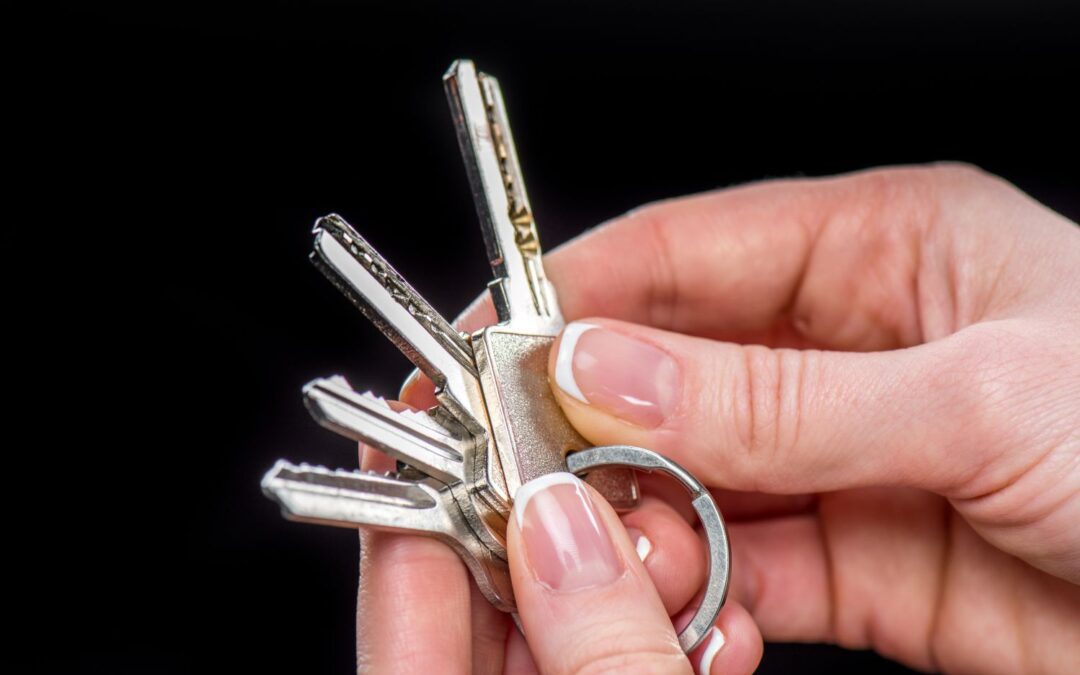
Yes, often you can keep your existing keys with new hardware by rekeying the new lock to match your current key. The catch is simple, the new lock must be the right type, the right keyway, and in good shape. If the lock brand, cylinder style, or key profile does not match, your old key will not turn it. Think of it like trying to use one TV remote on a toaster. Nice try, wrong fit.
How rekeying works in plain English
A lock has small pins inside. Those pins line up to match the cuts on a key. When you rekey a lock, the lock body stays, but the pins inside change so a different key can work. That is why rekeying new locks to existing key sets can save time and cut down on that jangly pocket full of keys.
If you just bought new deadbolts or knob locks, a locksmith may be able to pin those cylinders to your old house key. You get fresh hardware on the door, but you still use the same key you already know. That is a sweet deal when you want fewer keys and less hassle. If you need help with Residential lock rekeying, Residential lock installation, or general Residential locksmith service, Emergency Locksmith can help.
When keeping the same key will work
This is the good news part.
You can often keep the same key if these things line up:
- Your old key and the new lock use the same keyway
- The new lock has a rekeyable cylinder
- The new hardware brand matches your current lock brand, or uses a matching key profile
- Your key is not too worn down
- The lock is made for standard residential rekeying
A common case is swapping old front door hardware with a newer deadbolt from the same brand. If your old key fits that brand’s keyway, a locksmith can usually repin the new cylinder to your current key cuts.
Let’s say your home has Schlage locks and you buy a new Schlage deadbolt. Good chance that lock can be set to your current key. If you move to a totally different keyway or a smart lock with a special cylinder, things can get tricky fast. For related help, Emergency Locksmith also offers Residential lock replacement and Residential lock repair.
When it will not work
Sometimes the answer is no, and that is not anyone being stubborn. The parts just do not match.
Here are the most common reasons:
The keyway is different
The keyway is the shape of the slot where the key goes. Two keys may look close from a distance, but the grooves on the sides can be totally different. If the old key will not even slide into the new lock, rekeying to that key is off the table.
The lock brand uses a different cylinder system
Some brands use their own pin sizes, key blanks, or cylinder formats. That can stop a match, even if the lock looks similar on the outside.
The lock is not rekeyable
Most home locks can be rekeyed. Some low-cost locks, sealed cylinders, or odd hardware pieces cannot. A few can be replaced only as a full unit.
Your old key is worn out
Keys wear down over time. If your current key looks like it has been in a bar fight, the cuts may be too rounded to copy cleanly into a new lock setup. The lock may work one day, then act fussy the next.
You changed lock type
A mortise cylinder, rim cylinder, deadbolt, knob lock, and smart lock do not all play by the same rules. Some can match, some cannot.
The lock brands matter more than most people think
A lot of folks say, “A key is a key.” That is like saying a boot is a boot. Try stuffing a work boot on a toddler and see how that goes.
Many homes use brands like Schlage, Kwikset, Yale, or Defiant. Some brands have more than one keyway under the same name. So even if you buy the same brand, your old key still may not match the new cylinder without checking first.
A locksmith will look at:
- Brand and model
- Keyway shape
- Pin system
- Cylinder type
- Condition of the key
- Door type and latch setup
That quick check saves a lot of head scratching. You can also learn more about lock cylinders and keyways at Wikipedia.
A simple way to tell if your old key might work
Try this basic test before you buy a pile of hardware.
- Compare the brand on the old lock and the new lock
- Hold the old key next to the new key blank, if you have one
- Check whether the old key slides into the new lock at all
- Look for smart lock notes about key compatibility
- Bring your current key to the store if you are shopping in person
If the key does not enter the lock, stop there. If it enters but does not turn, rekeying may still work if the keyway matches. If you need a second look, contact Contact Us or schedule an Emergency locksmith visit.
If this happens, try this
- If your old key fits into the new lock but will not turn, then the lock may be rekeyed to your current key.
- If your old key will not go into the new lock, then the keyway is different and your current key will not work.
- If the new lock is the same brand as the old one, then the odds are better, but still check the keyway.
- If you bought a smart lock with a key slot, then the metal key part may or may not match your current key set.
- If your key is bent or worn, then cut a fresh copy before testing lock matching.
- If the door is hard to close, then fix door alignment first, because a bad fit can feel like a key problem.
- If the lock turns rough after rekeying, then the cylinder may need cleaning, pin check, or light service.
What we usually see in Houston, TX
In Houston, many homes near Spring Branch and West University have had hardware swapped over the years. Front doors may have one brand, back doors another, and garage entry doors something else. We also see older homes near roads like Westheimer with replacement locks added bit by bit. That mix makes key matching harder than people expect.
Humidity also plays a part here. A sticky door can fool you into thinking the key or lock is bad, when the latch is just rubbing from swollen wood or slight frame shift. Emergency Locksmith helps with Locksmith for garage doors, Locksmith for apartments, and other home lock concerns in Houston.
Houston weather can mess with locks
Heat, rain, and humidity do a number on doors and lock parts.
In hot months, doors can expand a bit. In rainy weather, wood doors may swell. In damp air, tiny parts inside the lock can get grime faster. That can make a good key feel like a bad key.
Cold snaps are less common in Houston, but they happen. When they do, stiff grease inside a lock can make turning rough. Use lock-safe lubricant, not heavy oil. Too much oil turns into a dirt magnet, and that party gets ugly fast.
A few simple tips help:
- Keep the key clean
- Wipe off dirt before using it
- Use a lock-safe dry lubricant if the cylinder feels gritty
- Fix sagging doors so the bolt lines up
- Do not force a key that binds
For weather and climate information, see the National Weather Service.
Common mix-ups people believe
Myth: Any locksmith can make any new lock work with any old key.
Fact: The lock and keyway must match first.
Myth: If two keys look alike, they should work the same.
Fact: Side grooves and pin spacing matter, not just the basic shape.
Myth: New locks always come ready to match old keys.
Fact: Many new locks come keyed at random from the factory.
Myth: If the key goes in, the lock should work.
Fact: A key can enter a matching keyway and still need rekeying to turn.
Why people want one key for everything
It is simple. Nobody wants a pocket that sounds like sleigh bells.
Using one key for the front door, back door, and garage entry is easier. It cuts confusion. It helps family members. It also helps when you are carrying groceries, a sleeping child, a tool bag, or all three and your brain is running on fumes.
There is also a security angle. When you move into a new home and change the hardware, you may want fresh locks but still keep one working key. Rekeying new locks to existing key sets can make daily life easier while keeping control over who has access. If needed, Emergency Locksmith can also assist with Residential key duplication and Residential lock rekeying.
Is it better to rekey or replace?
It depends on why you are changing locks.
If your locks are old, damaged, loose, rusted, or ugly enough to scare the dog, replacing the hardware makes sense. If the hardware is good and you just want old keys stopped, rekeying may be enough.
Here is a quick guide:
| Goal | Best move |
|---|---|
| Keep your current key with new door hardware | Rekey the new lock to your current key, if compatible |
| Stop old keys from working | Rekey or replace |
| Upgrade style or finish | Replace hardware, then rekey if possible |
| Fix worn or sticky lock | Service, rekey, or replace based on condition |
| Match all house doors to one key | Rekey compatible locks to a single key |
A short story that sounds familiar
A homeowner buys a shiny new deadbolt for the front door. He stands there on Saturday with a screwdriver, feeling like a home repair hero. The lock goes on fine. Then his old key does not fit. He checks it twice, squints at it, jiggles it, gives it the pep talk. Nothing.
That happens all the time.
The lesson is simple. New hardware does not always mean same key. A fast compatibility check before install can save a second trip to the store and a few new words the kids should not hear.
Care plan for locks and keys
Good locks like a little care. Not much. Just enough.
Weekly
- Check if any door is rubbing or sticking
- Wipe dirt off keys
- Notice rough turning before it gets worse
Monthly
- Test each outside door lock with the main key
- Tighten loose screws on handles and deadbolts
- Clean around the keyway and thumbturn
Yearly
- Have locks checked if keys stick, wobble, or need force
- Rekey after a move, lost key, or staff change at a small business
- Lubricate cylinders with lock-safe product if needed
- Check door alignment after hot, wet seasons
Safety notes that matter
Do not force a key that binds hard. Keys can snap, and then you have half a key in the lock and half your patience gone.
If a door is not latching right, fix alignment before blaming the key. Also, if you bought hardware for an exterior door, make sure it is rated for that use. Some indoor lock sets are not made for outside weather.
FAQs
Can I buy new locks and have them matched to my old house key?
Yes, if the new locks use a matching keyway and can be rekeyed. Brand and cylinder type matter.
Can all doors in my house use one key?
Often, yes. Many homes can be set up so the front, back, and garage entry use one key, if the locks are compatible.
What if my old key goes into the new lock but does not turn?
That usually means the keyway may match, but the pins inside are set for a different key. Rekeying may fix that.
Can smart locks be rekeyed to my current key?
Some can, some cannot. It depends on the key cylinder inside the smart lock and whether it matches your current keyway.
Is rekeying safe after moving into a new house?
Yes. It is a common step after a move. It stops old keys from working and helps you know who has access.
How long does a key last before it gets too worn?
That depends on use and metal type. If the key looks rounded, bent, or works only when you wiggle it, it may be worn enough to cause trouble.
Does Houston humidity hurt locks?
It can. Humidity, rain, and heat can make doors swell, bring grime into the keyway, and make locks feel sticky.
Can I rekey a lock myself?
Some DIY kits exist, but not all locks are simple to rekey. If the wrong pins go in, the key may fail or the lock may jam.
If you want help matching new hardware to your current key set, Emergency Locksmith can check compatibility, rekey locks, and help you get back to one key instead of a whole janitor ring. For service in Houston, TX, call (832) 979-9228 or visit https://emergency-locksmith-services.com. You can also reach out through Contact Us.