
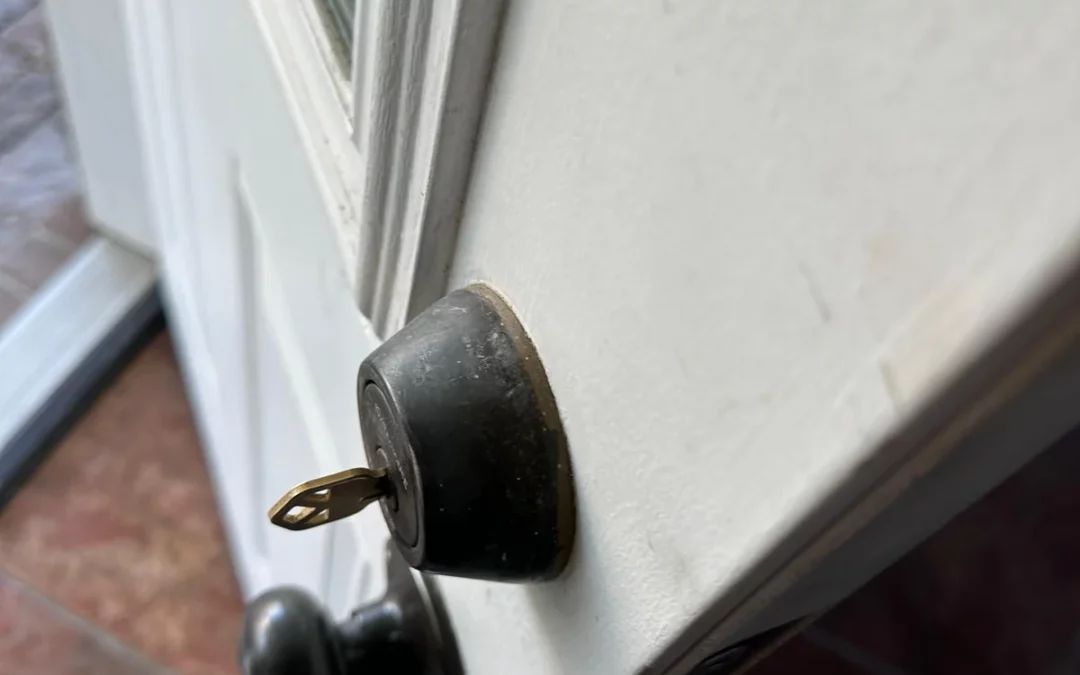
If you’re deciding whether to rekey or replace locks after moving, rekeying is usually enough when the existing exterior locks work well and you want to stop old keys from working. Replace locks that are worn, damaged, missing a deadbolt, or no longer fit your security plans. Check every outside entry before you decide.
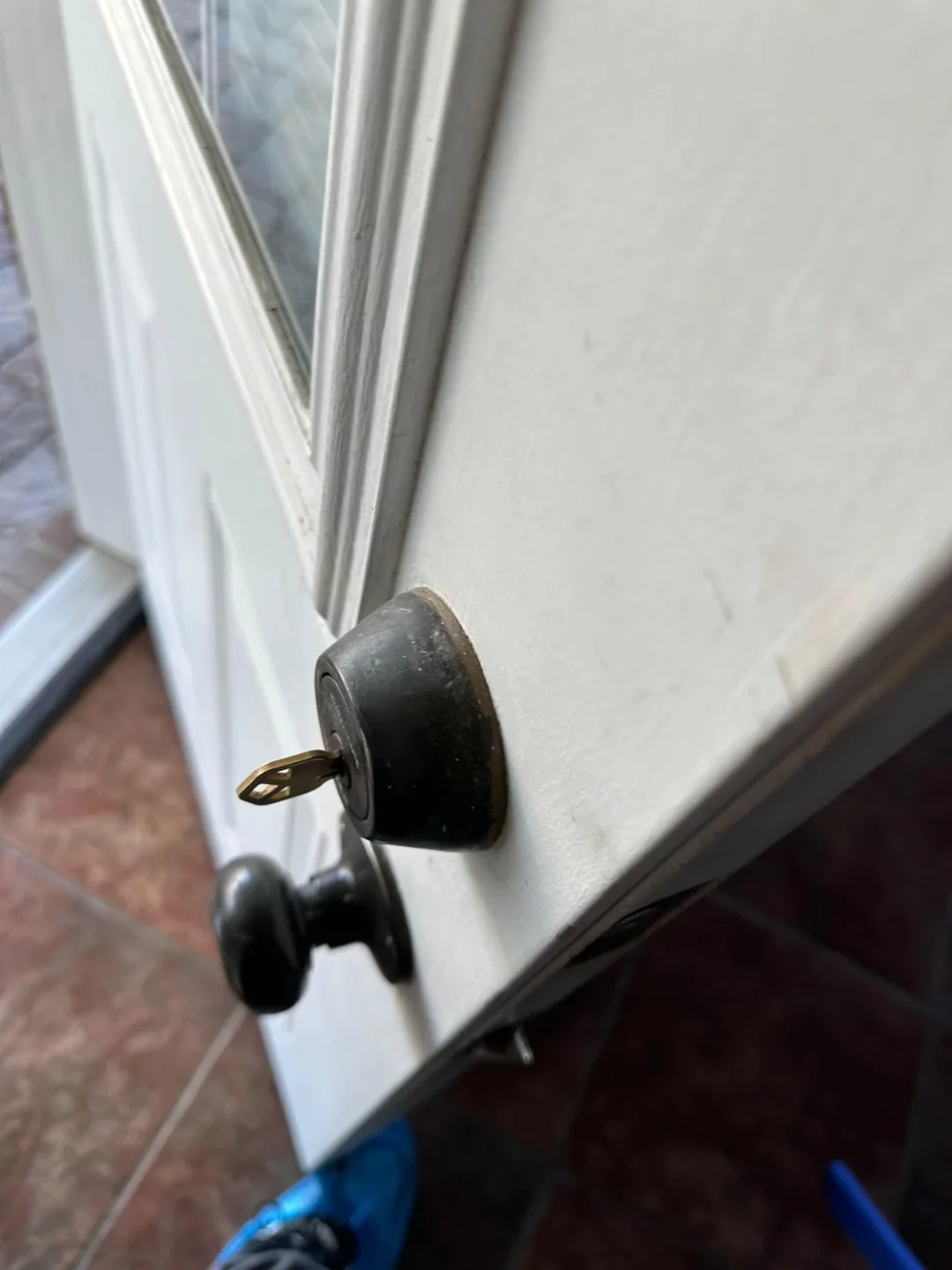
Start with the reason you need new control of the keys
At move-in, you may not know who has a copy of the house key. A prior owner may have given keys to relatives, neighbors, contractors, cleaners, or tenants. That uncertainty is enough reason to act. Schlage’s move-in lock guidance lists moving as a time to change locks because previous keyholders may be unknown.
You don’t need to discard sound lock hardware just because old key copies may exist. Rekeying changes the lock’s internal pin setup so the old key no longer operates it. The lock stays on the door, but it works with a new key.
Replacement removes the existing lock hardware and installs new hardware. That choice can solve a key-control problem, but it also addresses hardware condition, door function, and security features.
Choose rekeying when the lock hardware passes a basic check
Rekeying is a practical choice when your doors already have locks you trust and they operate without trouble. It focuses on the key problem rather than changing the whole lock.
- The deadbolt turns smoothly with the door open and closed.
- The latch catches without lifting, pulling, or forcing the door.
- The key goes in and comes out without sticking.
- The outside lock, inside thumbturn, and door handle are secure.
- You want existing entry doors to use a new key.
- You like the current hardware’s look and features.
Rekeying may also simplify your key ring. Consumer Reports notes that many standard and smart locks can be rekeyed so a single key opens multiple entry doors. Whether that works at your home depends on the lock types already installed and their key systems.
Ask for residential lock rekeying after you’ve listed every door that needs to be included. A locksmith can assess whether the locks can be rekeyed and whether they can be set up for fewer keys.
Replace locks when the hardware creates a separate problem
Replacement makes more sense when changing keys won’t fix what is wrong with the lock or door. A fresh key cannot repair a loose deadbolt, a damaged cylinder, or a latch that does not line up with its strike plate.
Look for wear, damage, and poor door operation
Put replacement on your list if a lock feels loose, binds, sticks, has visible damage, or fails to lock reliably. Also check whether the deadbolt fully extends into the frame when the door is shut. Don’t force a stiff key or thumbturn. Forcing it can make a small door or lock problem worse.
A door that has shifted may need its alignment checked before new hardware goes on. New locks still need a door, frame, latch, and strike that line up correctly.
Replace hardware that falls short of your plan
Moving is a reasonable time to switch hardware if you want a keypad, electronic lock, different key system, or higher-quality lock. It can also be the right move when a door has no deadbolt and you want one added. Replacement lets you choose the hardware instead of being limited by what the prior owner installed.
Keep the purpose of each door in mind. The front door, side door, garage-entry door, patio door, and gate may need different solutions. A lock that is fine for a low-use gate may not be the right choice for the door you use every day.
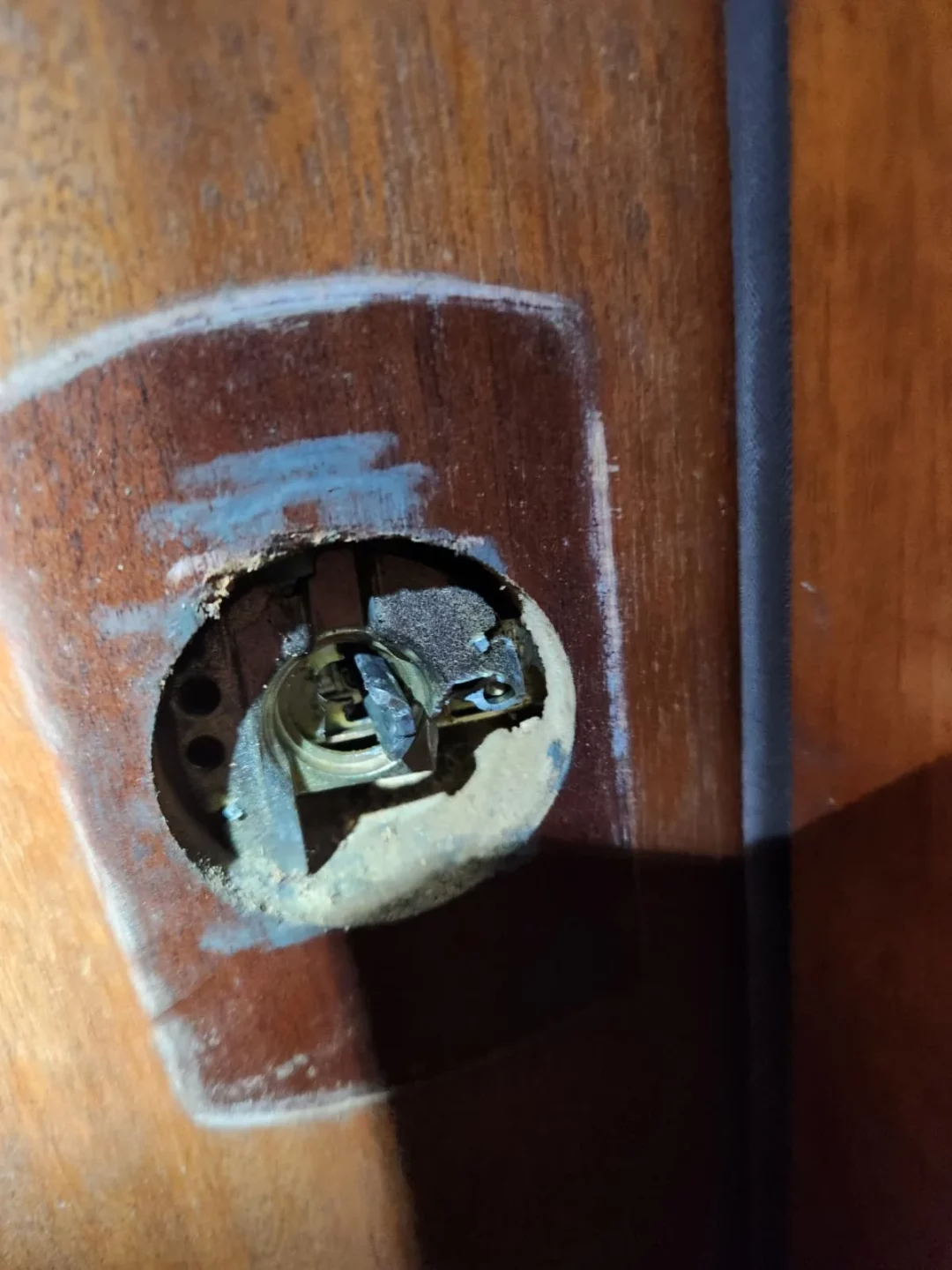
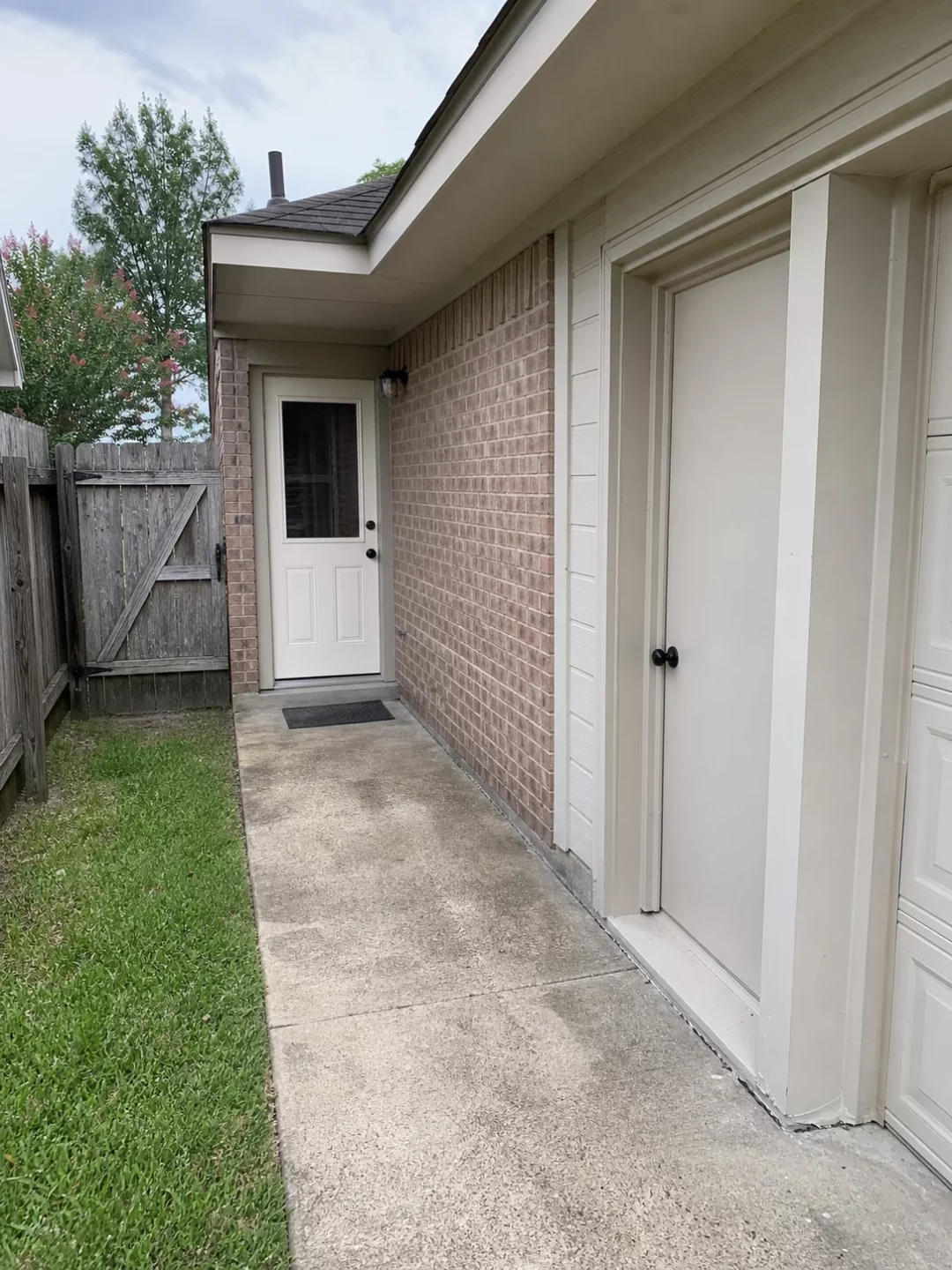
Use this first-week Houston entry check
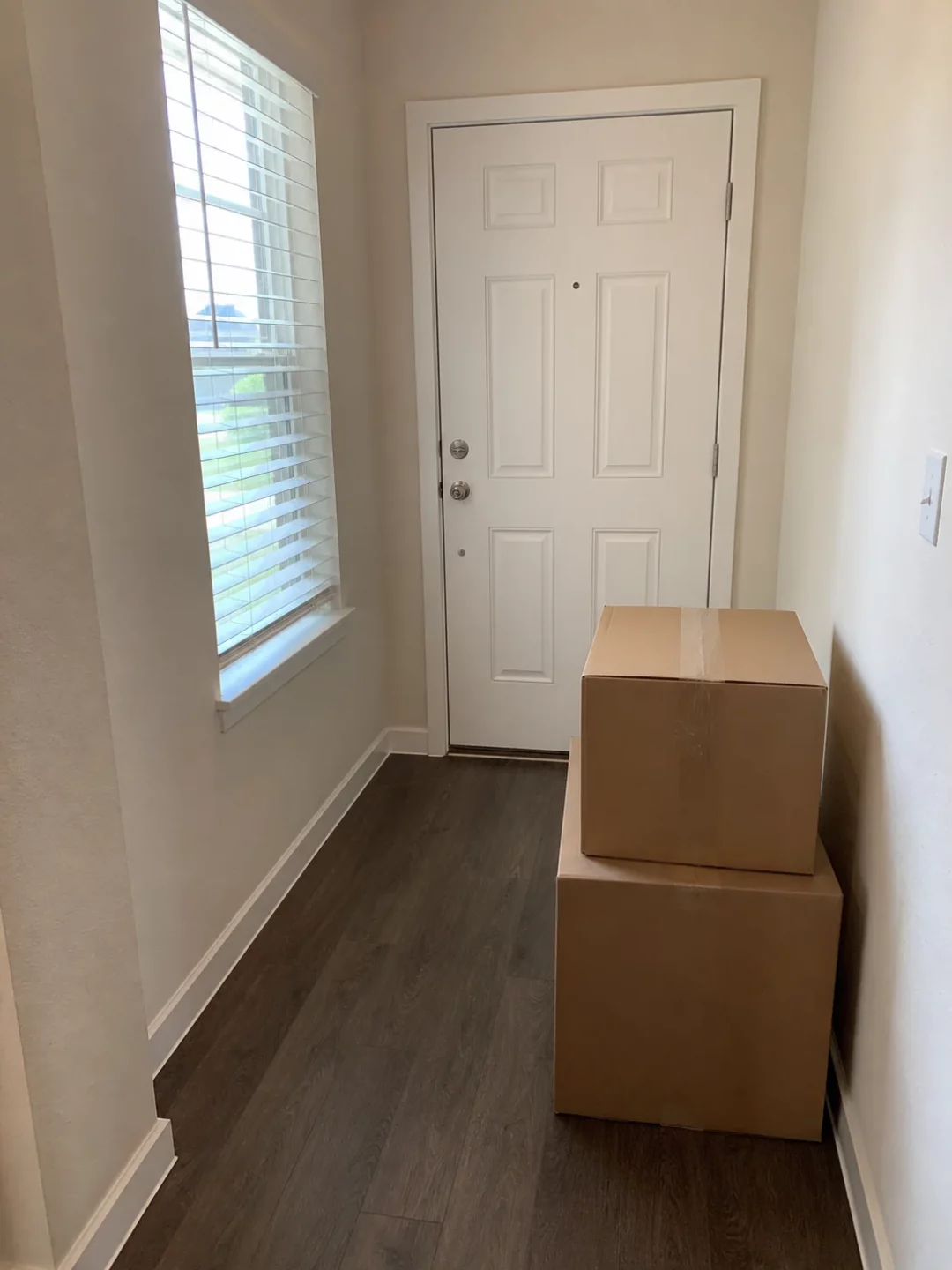
Walk around the property during daylight, then test each entry from inside. Don’t assume the front door is the only place a prior key could work. Write down the lock type, whether it works, and whether you want it included in the same key plan.
- Front and side doors
Check the knob or lever, deadbolt, strike plate, hinges, and frame. Lock and unlock each door while it is closed. - Garage-entry door
Check the door between the garage and the home. It is an exterior entry route even though it is inside the garage. - Back, patio, and sliding doors
Test the main lock and look at the track, frame, and secondary locking parts already present. Make sure the door closes fully before testing its lock. - Windows and accessible gates
Make sure windows close and lock. Check gates that lead into a yard or toward another entry door. - Detached spaces
Include a detached garage, shed, or storage area if it holds tools, house keys, or equipment you want secured.
The Houston Police Department home safety page advises residents to keep doors and windows locked. It also suggests solid-core entry doors, reinforced frames, and deadbolt locks. Those items matter because a lock is only part of the entry system. Check the door and frame before spending money only on the cylinder.
Make the decision door by door, not as an all-or-nothing project
Many move-ins call for a mix of services. You might rekey solid, working deadbolts on the front and side doors, then replace a worn back-door lock or add a deadbolt where one is missing. That approach keeps the decision tied to each opening’s condition and use.
| What you find | Likely next step |
|---|---|
| The lock works well, but old keys may be out there | Rekey the lock |
| Several working locks need a simpler key plan | Ask whether they can be rekeyed to match |
| The key sticks or the deadbolt does not turn properly | Have the lock and door checked before choosing repair, rekeying, or replacement |
| The hardware is loose, damaged, or unreliable | Replace the affected hardware |
| An outside door has no deadbolt | Consider adding or replacing hardware to include a deadbolt |
| You want a keypad, electronic access, or a different lock style | Replace the hardware that does not meet that goal |
Don’t skip the frame and strike plate
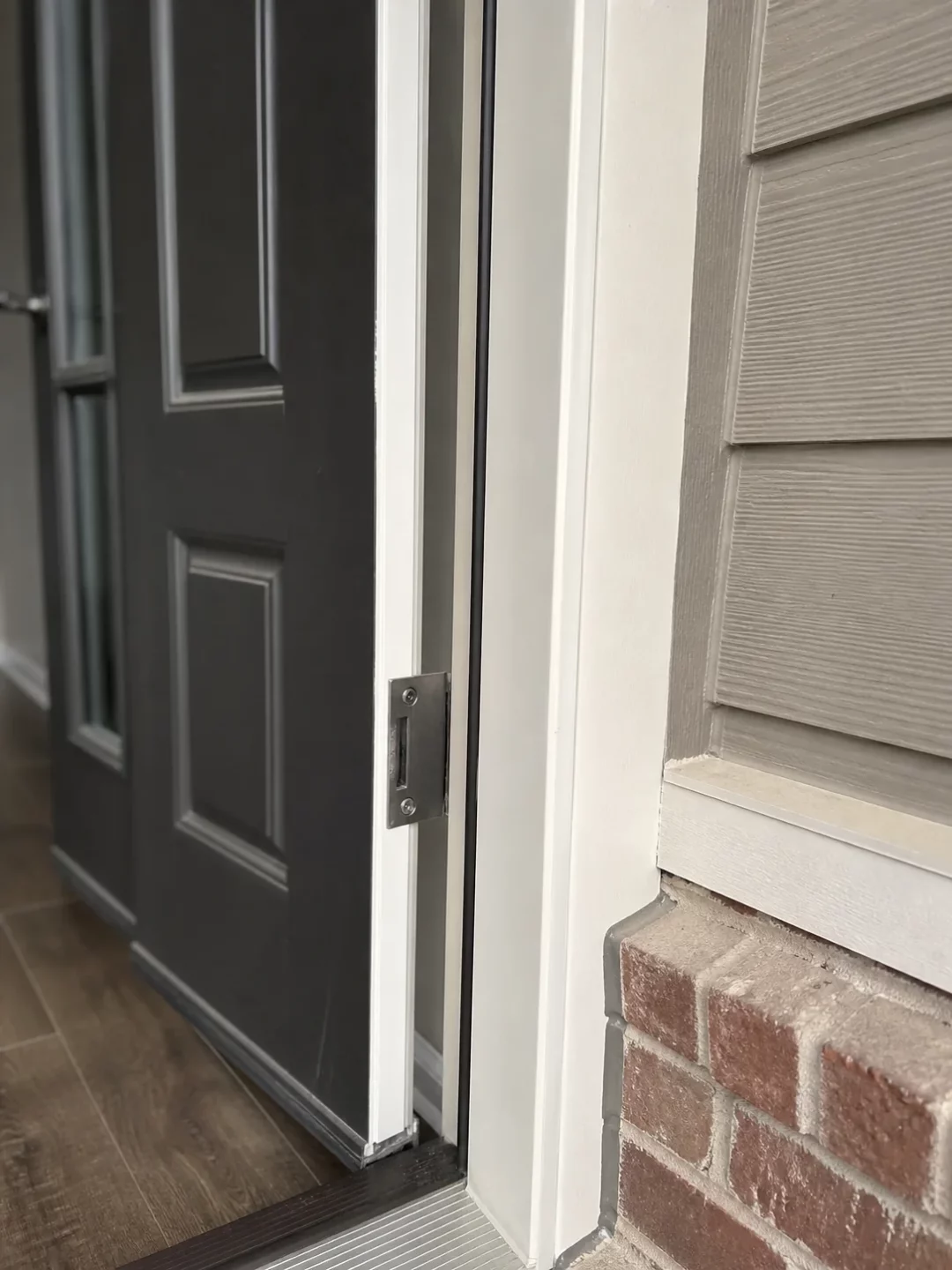
A deadbolt must reach a secure part of the door frame to do its job. Look for loose screws, cracked wood, or a strike plate that moves when the door is locked. If the bolt hits the plate instead of entering it cleanly, the door may be out of line.
Consumer Reports says kick-in resistance often improves with a box strike and 3-inch screws. That is a separate improvement from rekeying or replacing a lock. Ask a locksmith to look at the full door setup if the frame, strike, or screws seem weak or damaged.
Don’t make a door lock harder to use from the inside. Everyone in the home should be able to exit normally during an emergency. Keep a clear path to the door, and avoid leaving keys or objects where they could block fast exit.
Prepare for the locksmith visit
A short list helps you get a useful inspection and keeps key decisions in your hands. Before the visit, gather every key you received at closing. Include keys for doors, gates, mailbox locks, detached buildings, and any locked utility areas.
- Mark each key if you know which door it serves.
- List doors that need rekeying and doors with a problem.
- Decide who should receive the new keys.
- Note whether you want one key for several doors or separate keys for certain areas.
- Keep proof that you live at the property available for the appointment.
- Ask the technician to test every finished lock while you are there.
If you choose replacement, decide what matters before selecting hardware. You may care most about a deadbolt, a matching finish, fewer physical keys, or electronic access. Clear priorities make it easier to choose hardware that fits the door and your daily routine.
FAQs
Can I rekey locks if I do not have the old keys?
Often, a locksmith can assess and service a lock without you having every old key. Bring every key you do have, since some may operate a door you have not checked yet. The lock’s condition and type affect what work is possible.
Should I change mailbox and garage remotes after moving?
Check these separately from house locks. Mailboxes may have their own lock and key, while garage door openers can have remotes, keypad codes, or built-in vehicle controls. Review the opener manufacturer’s instructions for clearing old remote access and setting your own code.
What should I do if a new lock still feels hard to turn?
Stop forcing it and check whether the door must be pushed, pulled, or lifted for the lock to work. That points to a possible alignment issue. A locksmith can inspect the hardware and the door fit so the proper work can be identified.
For help with move-in lock decisions in Houston, call Emergency Locksmith at 832-979-9228. Their residential services include lock installation, upgrades, rekeying, and key duplication. Describe the doors you checked and the problems you found so you can schedule the right next step.