
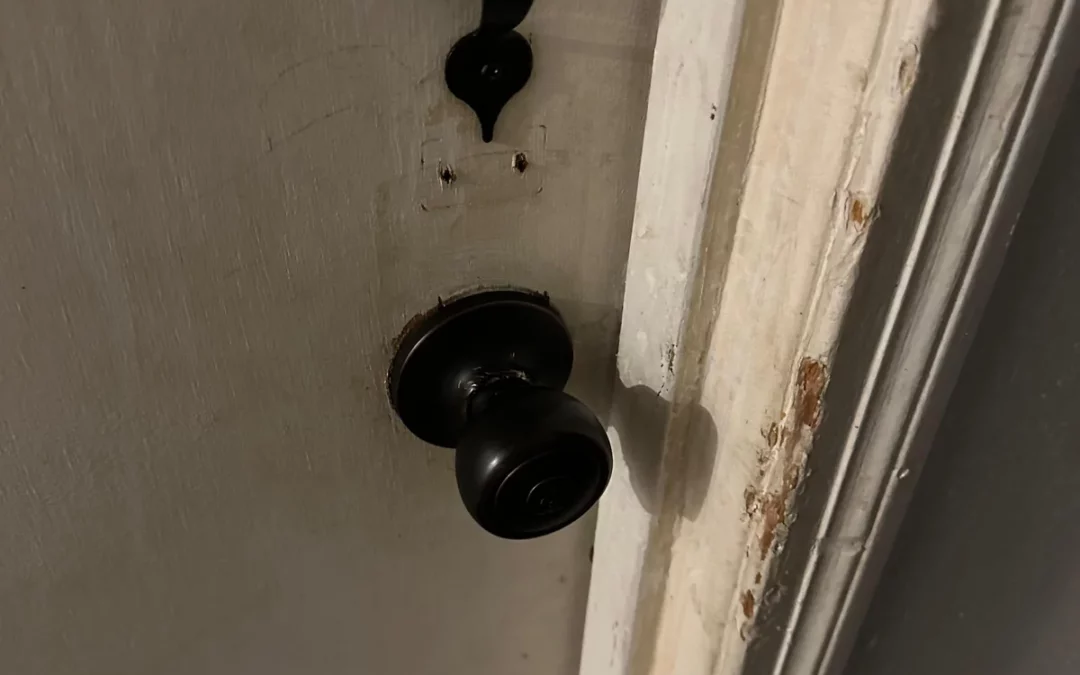
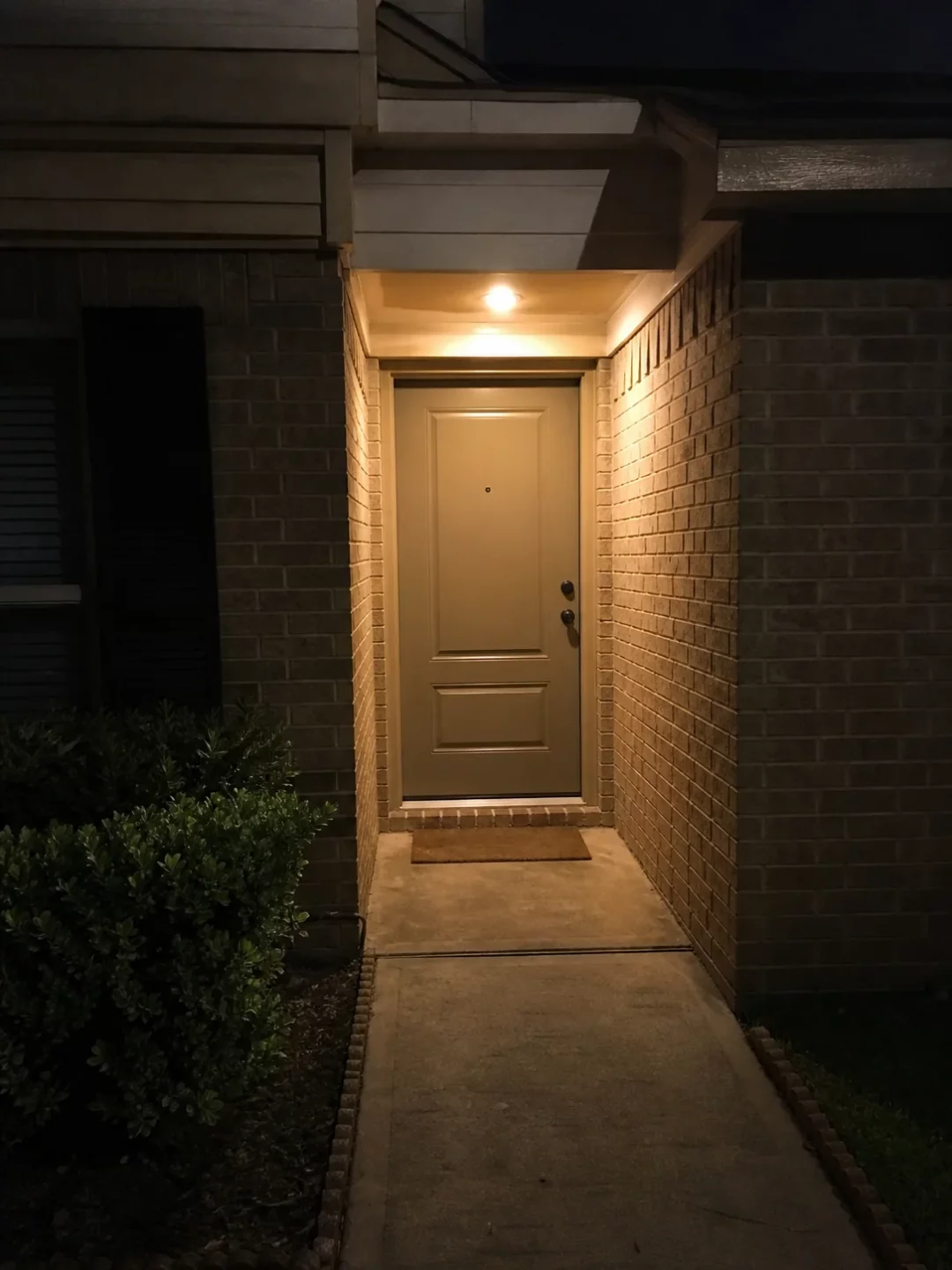
If you’re locked out of house at night in Houston, get to a lighted, visible place first and check for any immediate danger. Call 911 if someone is trapped, there is fire or smoke, or you think someone has broken in. If everyone is safe, avoid forcing the door and contact a verified locksmith while you gather proof that you live there.
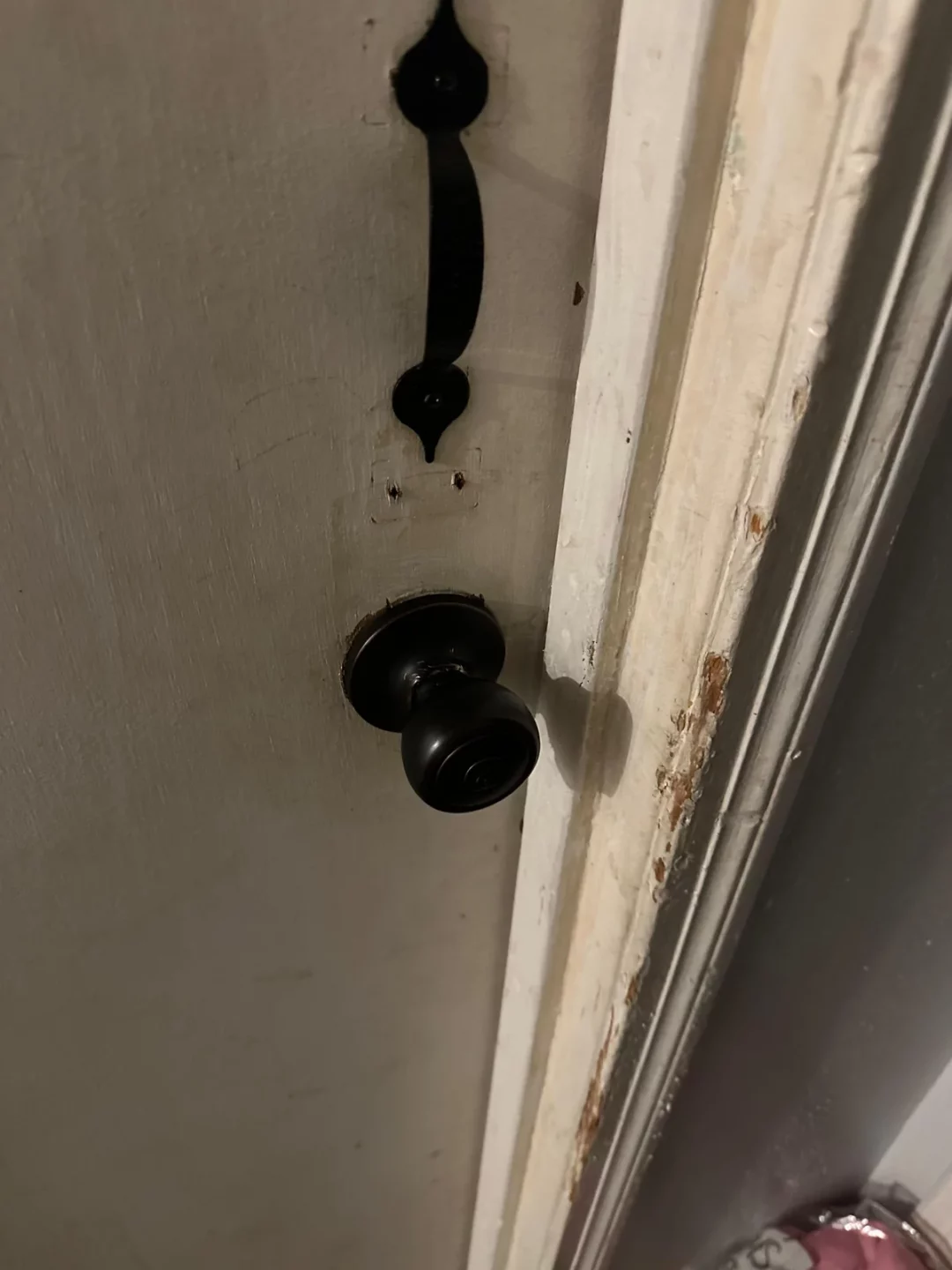
Get safe before you deal with the lock
A house lockout can feel urgent, especially when it is dark, raining, or you are alone. Take a moment to look around before making calls or trying anything with the door.
- Stand near a porch light, streetlight, open business, or a trusted neighbor’s home if you can.
- Keep your phone charged if possible. Turn on low-power mode if the battery is low.
- Stay aware of people and traffic around you. Do not leave children, older adults, or pets outside in unsafe weather.
- If you are in a car, lock its doors while you make calls.
Call 911 first for a fire, smoke, a medical emergency, a trapped person, or signs that someone may be inside your home without permission. The Houston Police Department directs people to 9-1-1 for emergencies. Within Houston city limits, it lists 713-884-3131 for non-emergency police service. Your address may be served by another agency, so use the local non-emergency number if you are outside the city.
Rule out a simple access problem without creating a bigger one
Once you are in a safe spot, take a calm look at what happened. Check whether a household member has a spare key, whether your landlord or property manager has an after-hours contact, or whether a trusted neighbor can let you wait indoors. If you live in a condo or apartment, building staff may need to confirm access to common areas.
Do not try to force a window, pry a door, break glass, or damage a lock. Those choices can cause injury, leave the home insecure, and turn a lockout into a repair. Do not climb to upper windows or use improvised tools. A locked door is doing its job. Let a qualified professional assess the door when they arrive.
Check for people or pets who need urgent care
A lockout changes fast if a child, dependent adult, or pet is inside and may be in danger. Smoke, a running stove, severe indoor heat, a medical concern, or a person who cannot get out are reasons to call 911. Tell the dispatcher what you know, your address, and whether there is an immediate threat.
If there is no immediate danger, stay outside and avoid calling out details about valuables, alarm systems, or where spare keys are kept. Keep your conversation private while you arrange help.
Choose a locksmith carefully after dark
Search results can be rushed and confusing at night. The Federal Trade Commission warns that some advertised locksmiths may not be local or trained. Before agreeing to service, ask enough questions to know who is coming and what the visit may involve.
- Ask for the business name and a call-back number.
- Explain that it is a residential lockout and give the location.
- Ask what information affects the charge, such as a service call, labor, lock work, or late-hour charges.
- Ask how payment is handled and whether the technician can provide paperwork.
- Save the name of the person you spoke with and the details they give you.
No one can responsibly quote a final cost without knowing the lock and the situation. A clear conversation before service starts can help you decide whether to proceed. Be wary of a business that will not identify itself, will not discuss basic charges, or pressures you to approve work before it looks at the door.
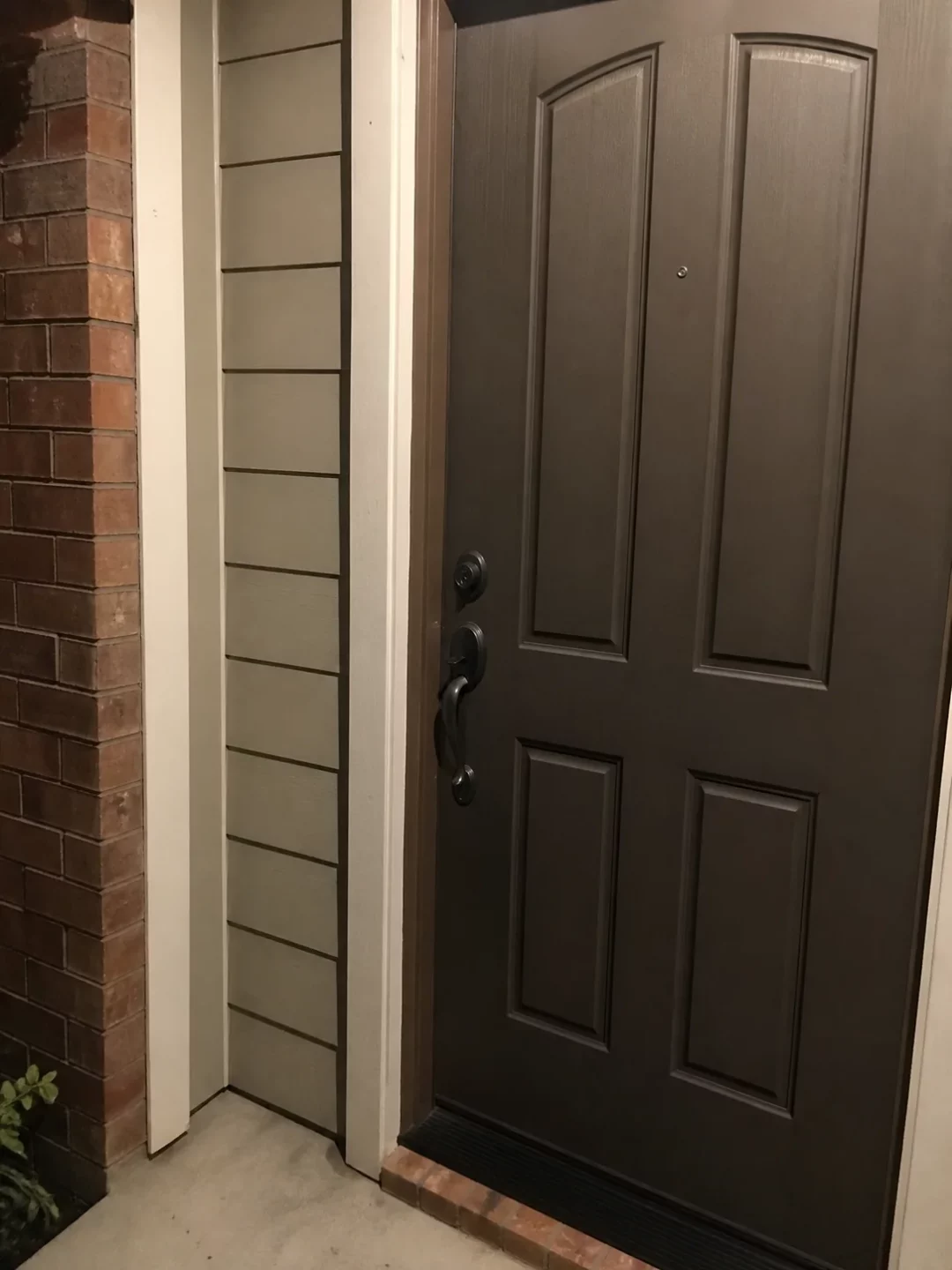
Have proof of access ready for the technician
A locksmith may need to verify that you have the right to enter the home. That protects residents, property owners, and the technician. Bring your driver’s license or other government-issued ID if you have it. A lease, utility account, insurance document, or digital record that connects you to the address may also help if your ID is inside.
Texas law has rules for locksmith entry work. Texas Occupations Code Chapter 1702 says certain locksmith entry services require government-issued identification and signed authorization, with an exception for an imminent threat. If your documents are locked inside, say so when you call. The dispatcher can tell you what the company needs you to provide.
If you are renting, keep your property manager’s contact details ready. Your lease may set rules for keys, lock changes, or who must approve work on the door.
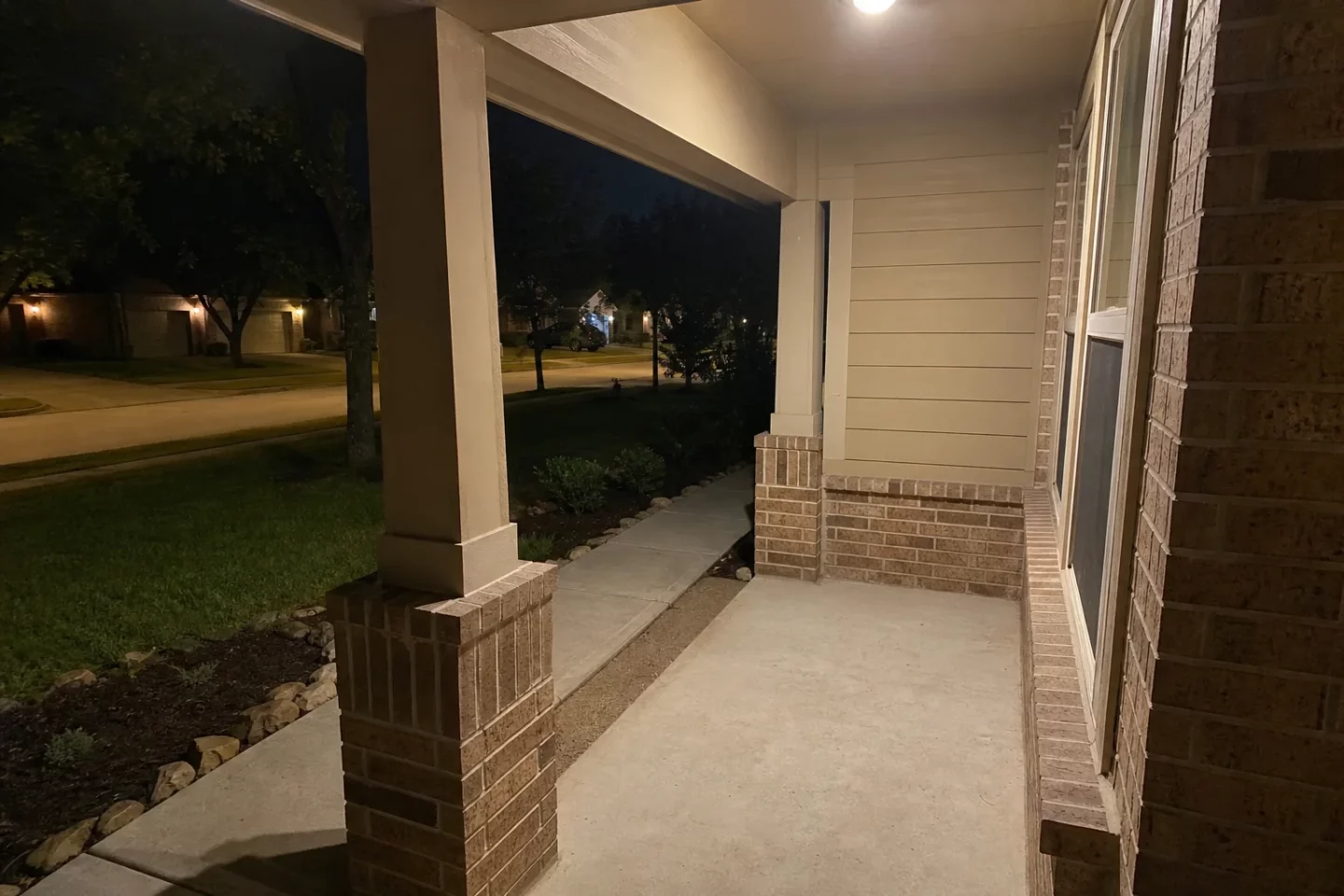
What to do while you wait outside
Waiting is easier when you have a short plan. Stay in a location where you can see the address and the arriving vehicle without standing alone in a hidden area. Ask a friend or neighbor to stay on the phone if that makes you feel safer.
- Send your location and expected plans to someone you trust.
- Keep your phone available for the locksmith’s call.
- Move under shelter during rain or severe weather only if it remains safe.
- Keep pets leashed or secured if they are with you.
- Do not leave the property if the technician needs you there to confirm access.
When a technician arrives, confirm the business identity before authorizing work. Review the service and charges before work begins. Keep any receipt, authorization, or invoice after the visit. These records can be useful for a landlord, insurer, or your own home records.
Decide whether the lock needs attention after you get inside
Getting back in may solve the immediate problem, yet the cause still matters. Think about what led to the lockout. A missing key, a key that no longer turns, a loose handle, or a door that will not latch can call for follow-up work. If a key is lost and someone could connect it to your address, ask about replacing the lock or changing access.
Wait until you are calm and indoors before deciding on non-urgent changes. Check the door, frame, deadbolt, handles, and any shared entry rules. If you rent, ask the property manager before changing hardware. Put a future spare-key plan in place that does not leave a key exposed outside.
Make the next lockout less likely
Pick a safe backup plan before you need it. You might leave a spare with a trusted person, keep your property manager’s number in your contacts, and save a locksmith’s contact details. The FTC suggests choosing a reputable local locksmith before an emergency and saving the number.
Emergency Locksmith lists Houston lockout help, lock repair and replacement, and key services on its Emergency locksmith page. Add any provider you choose to your phone now, then you will not need to sort through unfamiliar listings while standing outside at night.
Questions people ask during a nighttime lockout
Should I call the police for a normal house lockout?
For a normal lockout with no danger, a locksmith or your property manager is usually the practical first call. Call 911 when there is an emergency, such as fire, smoke, a medical crisis, a trapped person, or suspected break-in. For a non-emergency police matter inside Houston city limits, HPD lists 713-884-3131.
What if my ID is locked inside the house?
Tell the locksmith before they come. You may be able to show a digital lease, utility record, insurance document, landlord contact, or other proof tied to the address. The company can explain its verification process. Do not expect a technician to enter without checking that you are authorized.
Can my landlord charge me after an apartment lockout?
Your lease and property rules control that question. Look for after-hours access, replacement key, and lock-change terms. Ask management for any fee in writing and keep records of who authorized entry. A locksmith should not replace apartment hardware without needed approval.
What should I keep in my phone for a future lockout?
Save the contact information for a trusted neighbor, your landlord or property manager, your insurer if it offers home assistance, and a local locksmith. Also keep a secure digital copy of your lease or proof of residence that you can access when your wallet is inside.
Need help getting back into your Houston home? Call Emergency Locksmith at 832-979-9228 for residential lockout service and tell the dispatcher that you are outside after dark, where you are waiting, and what proof of access you have available.