
If the same lock keeps jamming, parts feel loose, keys snap, or you have repeat service calls, it is time to stop patching. When repair no longer makes sense, swap in new hardware that works better, saves time, and cuts stress. A smart replacement also boosts security so you sleep easy.
Why this moment matters
Most locks give you clear signs before they quit for good. The trick is spotting them early. You do not need to be a tech pro. You just need a simple way to judge repair vs replace. Think of it like shoes. If your boots have holes, you can keep gluing the sole, or you can get a new pair that does not leak on Westheimer after a storm.
Fast gut check you can use today
- The same part fails again and again
- The door needs special wiggles to latch
- Keys bend or break often
- Rust shows, or the finish flakes off
- You lost track of who has keys
If two or more match your door, new hardware may beat the next fix.
How lock repair stacks up against replacement
A repair feels easy. It is quick. It keeps your old look. But if trouble returns, your time and focus go with it. A fresh lock brings back smooth turns, safer access, and better key control. It can also fit your door better, which means fewer headaches with sticking and slamming.
What wear and tear looks like in real life
- A deadbolt that needs a hip check to line up
- A knob that spins like a fidget toy
- A cylinder that grinds and shaves metal dust on your key
- A key that used to slide sweet, now bites and stalls
- A latch that rattles when the AC kicks on
Houston heat and humidity play a big part. Wood swells. Metal sweats. Dust sticks to old grease and turns into grit. After a few summers, tiny parts do not sit right. That is when the same lock calls for help over and over.
Where your door lives changes the game
- Near The Heights, we see older homes with classic mortise locks. They look cool, but parts can be scarce.
- Along I-45, busy storefronts get heavy use. Push bars, closers, and cylinders take a beating.
Different doors have different pain points. A house door may swell in August. A shop door gets slammed a hundred times before lunch. The right call for one will not be the right call for the other.
What we usually see in Houston, TX
- Summer swelling makes deadbolts stick, then winter shrink makes loose latches
- Rust at bottom edges of doors after big rain weeks
- Old keys copied too many times, then they chew up the cylinder
- Office suites with mixed keys, no clear key control
- Panic bars that stop latching after a hard slam
These repeat problems are strong hints that new hardware can beat short fixes.
Clear signs repair no longer makes sense
1) Repeat failure within a short time
If a lock fails again soon after a fix, the cause sits deeper than a loose screw. The door frame may be out of square. The latch may be worn. A new lock set that matches your door and strike plate solves root cause, not just the squeak.
2) Key control is gone
If past tenants, staff, or contractors might still have keys, it is time to rekey or replace. Rekey helps if the hardware is healthy. If it is old and sticky, a full swap gives you smooth action and a fresh keyway.
3) Visible metal wear or cracks
Grooves in the latch, cracked plates, bent bolts, or a cylinder face that wiggles are safety risks. When metal wears thin, no amount of lube will bring it back. New gear beats patch jobs here.
4) Rust and corrosion
Houston air is humid. Rain comes fast and hard. If rust shows on the bolt, screws, or strike, parts inside may be rough too. Rust makes keys stick and break. Replacement wins.
5) Door and frame do not match up
If you have to lift the door to get the bolt to throw, the door or hinges shifted. You can shim and file, but worn hardware will keep fighting that bad angle. A new lock with proper latch reach, plus small door tweaks, gives you long life.
6) Safety and fire rules
For shops or shared spaces, codes may ask for working panic bars and smooth exit. If your hardware fails a simple push test, time for new. Do not gamble here. A clean exit saves lives.
7) You want better access
Keypads and smart locks help with guests, staff, and deliveries. If you plan to upgrade soon, do not pour time into old locks. Move forward.
The hidden costs of repeat fixes
- Time lost while hunting the right key or fighting a sticky cylinder
- Late starts for crews waiting outside a shop
- Irritated customers stuck at the door
- Staff who prop doors open, which is a security risk
- Wear on keys, then sudden breaks in the lock at the worst time
Even if each fix is small, the stack of small hits adds up. A smooth lock pays you back with quiet, easy use every day.
Material and build matter
- Brass cylinders hold up well to use
- Hardened bolts resist wear
- Quality pins keep keys from chewing the core
- Weather caps and gaskets help in storms
Cheap parts can work for a while. But in Houston weather, they age fast. If your door faces sun and rain, a better grade of lock can save you repeat calls.
When repair makes sense
Not every hiccup needs a full swap.
- A loose strike plate that needs a screw and wood fill
- A clean and lube for a cylinder with light grit
- Rekey after a lost key when the hardware still feels solid
- A new key cut to code when copies got sloppy
If the lock is strong, a tune-up can bring it back. Trust your hand. If it feels tight and crisp after service, you are fine. If it still feels iffy, aim for replacement.
When replacement makes sense
- The lock is older than your favorite pair of boots and acts worse
- Parts are rare, or fixes never last long
- The door shifted, and the bolt will not align
- You need better control, like a keypad or restricted key
- The finish is pitted, which hints at inside wear
A fresh lock brings back that new-door feel. Keys turn clean. Latch clicks clean. That is peace of mind.
Smart lock or classic lock
Smart locks are great for short term rentals, busy shops, and busy families. You can use codes, track entry, and avoid late night key hunts. Classic locks are simple and strong. No batteries, no apps. Both can be secure. Pick what fits your day.
Smart lock tips for Houston
- Use weather rated units on doors that see rain
- Change batteries on a schedule, do not wait for a low beep
- Keep a real key backup, in case the app or power has a bad day
- Use hard to guess codes, skip birthdays and street numbers
Door closers and panic bars
On shop doors, closers and panic bars do the heavy lifting. If the closer slams or fails to latch, the lock eats more shock and wears out faster. If the panic bar rattles or sticks, fix or replace it before it fails at a rush. Smooth exit is not a nice-to-have. It is needed.
What different buildings face
Houses
- Wood doors swell in summer
- Old screws strip out over time
- Pets and kids pull and kick at knobs
Choose locks with longer screws into the frame and a strong strike. This stops kick and sag.
Apartments and condos
- Shared halls, lots of use
- HOA rules on looks
Choose hardware that matches the look but offers good key control or a keypad.
Shops and warehouses
- Heavy use all day
- Push bars, storefront locks, and closers
Use grade 1 or 2 gear that can take daily traffic. Keep a simple service plan so doors latch clean every time.
Simple way to test your lock at home
- Close the door and lock it a few times in a row
- Listen for scrape or grind
- Try the key with light pressure
- Try the thumb turn inside while you pull the door
If it binds or needs force, something is off. Do not force it. Forcing breaks keys and cores.
Troubleshooting steps you can try
- If the key sticks halfway, then spray a small puff of graphite or a lock-safe lube, not oil
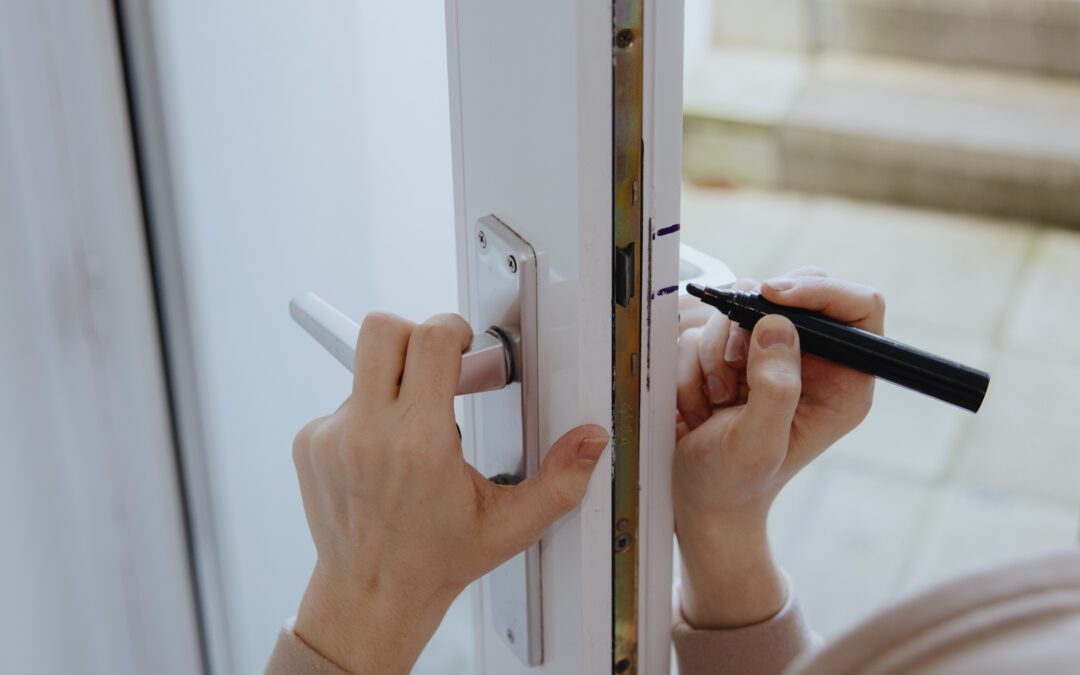
- If the bolt rubs the strike, then color the bolt tip with a marker, test, and file the strike where the mark hits
- If the knob wiggles, then tighten the set screws and check the through bolts
- If the door sags, then tighten hinge screws, use longer screws in the top hinge
- If the deadbolt will not throw unless you lift the door, then call for help to square the frame and inspect the lock
- If the key is hard to insert, then try a fresh key cut to code, not a copy of a copy
- If a smart lock misses entries, then replace batteries and update firmware, then test with the physical key
Short safety notes
- Do not use oil like WD-40 inside locks, it gums up
- Do not force a stuck key, it can snap and trap you
- Do not block or tie back a panic bar on a shop door
- Wear eye gear when drilling or filing
- Test every exit door from the inside, not just the outside
Common myths and what is true
- Myth: A little tape on the latch keeps it quiet
Truth: Tape kills latch function and invites trouble. Fix the cause instead. - Myth: A tougher key means a tougher lock
Truth: Keys are soft on purpose. The lock grade matters more. - Myth: Smart locks are easy to hack
Truth: Good brands use strong tech. Sloppy codes and weak doors are bigger risks. - Myth: If the door closes, the lock is fine
Truth: Latch and bolt alignment matter. A bad fit wears parts fast.
How Houston weather affects locks
Heat
Doors swell, and bolts bind. Metal expands. Small misalignments grow. A fresh lock with proper latch reach can handle some movement.
Rain
Water brings rust, even on parts you cannot see. Use weather caps and good finishes. Keep drain holes clear on metal doors.
Humidity
Moist air drags dust into cylinders. Light lube helps once or twice a year. Avoid heavy grease that traps grit.
Cold snaps
Rare here, but when it hits, parts shrink. A sticky lock in summer can freeze in winter. Fix the sticky part before cold months.
What to pick when you replace
Deadbolts
The main home defense. Choose a solid bolt, long screws into the frame, and a strike that is up to the job.
Keypads
Great for kids, cleaners, pet sitters, and deliveries. Change codes fast. No more key copies floating around.
High security cylinders
Pick-resistant, drill-resistant. Control who can make keys. Good for shops and rentals.
Lever sets
Easier to use when your hands are full. Good for ADA needs. Pick levers with strong springs that hold up to daily pulls.
Panic bars
Needed for shops with public space. Make sure the latch and closer work as a team. The door should close smooth, then click into place without a slam.
Door closers
Adjust speed so the door does not slam or drift. A good closer saves the lock from shock and keeps doors quiet.
Look and finish
Sun on a south-facing door can fade and pit cheap finishes. Pick a finish that handles UV and moisture. This keeps the outside looking sharp and the inside moving right.
Care schedule you can stick to
Weekly
- Check that doors close and latch without force
- Make sure nothing blocks exit paths
Monthly
- Wipe hardware with a soft dry cloth
- Check hinge screws and strike plates for looseness
- Test every key, throw the bolt fully, do not baby it
- For shops, test panic bars and closers at open and close time
Twice a year
- Light lube in the keyway with graphite or lock-safe spray
- Tighten all visible screws on knobs, levers, and plates
- Inspect weatherstripping, replace if it binds the door
- For smart locks, change batteries on a set date
Yearly
- Review who has keys or codes, trim the list
- Rekey if tenants or staff changed
- Inspect for rust, pitting, cracks, or bent parts
- Plan upgrades for doors that see heavy use
A short story from the field
A shop owner near The Heights called and said, my back door lock is moody. Some days it is sweet, some days it grows fangs. We found a tired deadbolt, a loose strike, and a closer that slammed like a linebacker. We put in a better bolt, set the strike right, and tuned the closer. The door now shuts with a soft hush, then clicks. He said, wow, that is the first quiet I have heard from that door in years.
How to think about cost without a headache
No prices here. Just think about time and risk. If you take five minutes every day to baby a door, that is hours each month. If staff wait outside in the rain, that is morale and a mess. A strong lock and a smooth door save those hits. That is the kind of math that makes sense.
Simple checklist before you decide
- Do I trust this lock to work every time
- Does anyone I do not trust still have a key or code
- Has this door seen more than one fix this year
- Do I need features my current lock lacks
- Does the door align and close cleanly
If you hit yes on the first and last and no on the middle ones, keep it. If not, plan a swap.
How long should a lock last
Good hardware on a normal home door can last many years. On a busy shop door, parts wear faster. The number on the box matters less than use and care. A well-fitted lock on a well-hung door lasts longer than a fancy lock on a crooked frame.
What about old doors and vintage looks
Old doors can keep their charm and still work right. Many new locks match classic styles. You can also keep a vintage plate and use a fresh cylinder inside. Ask for options that keep the look while fixing the function.
Key control without drama
- Keep a simple log of who has keys or codes
- Use restricted keys for shops so random copies are not possible
- Change codes after staff changes
- Do not tape codes near the door, even inside
When do tech upgrades pay off
- You host short stays or guests
- Staff shifts change often
- You need to know who came in when
- You want to grant access without driving across town
In these cases, a keypad or smart lock can save trips and stress. Just keep a real key as backup, and change batteries on time.
What to do after a break-in
- Do not touch the scene until police clear it
- After they leave, check every door and window
- Replace damaged locks at once
- Consider stronger strikes, longer screws, and better bolts
- Review lighting and cameras at entry points
A clean repair plan turns a bad day into a safer setup for next time.
FAQS
Q: How do I know when to replace locks instead of repair
A: If the same lock fails again, parts wobble, keys stick or break, or you lost key control, a new lock is the safer, smarter move.
Q: Can Houston heat make locks fail
A: Yes. Heat and humidity swell doors and add grit inside cylinders. This causes sticking and misalignment. Good fit and light lube help.
Q: Should I pick a smart lock or a classic deadbolt
A: Pick what fits your day. Smart helps with codes and guests. Classic is simple and tough. Both can be secure when installed right.
Q: How often should I lube my locks
A: Twice a year is fine for most homes. Busy shops may need quarterly care. Use graphite or a lock-safe spray, not oil.
Q: Do I need to replace keys after staff changes
A: If you cannot trust who has keys, rekey or replace. If the hardware feels old, replacement gives you new keys and smoother action.
Q: What if my key broke in the lock
A: Do not force it. Call a pro. Forcing can push the tip deeper. We can extract it and check for wear that caused the snap.
Q: Are keypad locks safe in rain
A: Pick weather rated models and use fresh gaskets. Many work fine in Houston rain when installed right.
Q: Can a door closer save my lock
A: Yes. A tuned closer stops slams, which protects the latch and bolt. Your lock lasts longer and stays smooth.
Q: How long does a lock install take
A: Most standard swaps are fast. Complex doors or commercial gear can take longer. The goal is a clean fit that works right.
Q: Do you service my area
A: We help across Houston, including homes and shops near The Heights and along Westheimer. Call and we will confirm your spot.
When repair no longer makes sense, pick gear that fits your door, your weather, and your daily use. That is the whole point. A lock should be boring. Turn, click, done. No drama. No door yoga.
At the end of the day, you need a door that opens when it should and locks when it should. If your lock keeps calling for help, it is telling you it is time. Swap it, and take that squeaky wheel off your mind.
Contact Emergency Locksmith
Need fast help in Houston with repair vs replacement, smart upgrades, rekey, or fresh installs for homes or shops? Call Emergency Locksmith at <tel:+1>832-979-9228</tel:+1> or visit https://emergency-locksmith-services.com. We fix sticky locks, set clean installs, and match hardware to your weather and use so your doors work smooth day after day.