
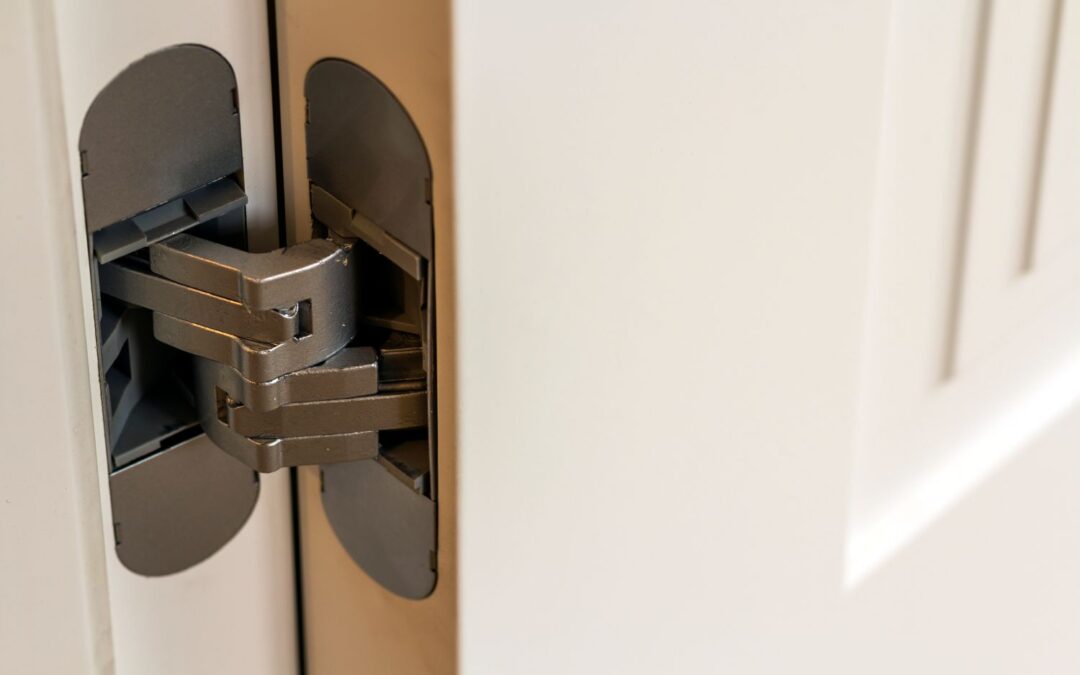
Most door jams come from small alignment problems, not a broken lock. A strike plate adjustment or hinge adjustment can often fix a sticky latch, a rubbing door, or a lock that only works when you shove the door like it owes you money. With a pencil, screwdriver, and a few test swings, you can mark where the latch hits, shift the hardware, and get the door closing right again.
Why doors start jamming in the first place
A door and frame work like teammates. If one drifts out of place, the latch misses the strike plate, the deadbolt rubs, or the door drags on the frame. Then you get that daily wrestling match at the front door.
Most jams come from a few common causes:
- Loose hinge screws
- Hinges that sag over time
- A strike plate set a bit too high, low, or sideways
- Wood swelling from humidity
- Weather changes that make parts expand and shrink
- House movement over time
In Houston, that mix shows up a lot. Heat and humidity can make wood doors swell. After heavy rain, some doors feel puffed up and grumpy. In drier spells, gaps can shift again. A door that worked fine last month may start acting like a stubborn mule this month. If the problem keeps coming back, Contact Us or learn more about Residential locksmith help from Emergency Locksmith.
First, figure out what is rubbing or missing
Before you turn screws, find the real problem. Guessing wastes time. A pencil gives you clues fast.
Open and close the door slowly. Watch and listen.
Look for these signs:
- The latch hits above or below the strike opening
- The latch hits the lip of the strike plate
- The deadbolt will not slide in unless you pull or push the door
- The top corner of the door rubs the frame
- The latch works with the door open, but not when closed
A simple pencil test helps. Color the edge of the latch with pencil graphite, or mark the strike plate opening edges. Close the door gently a few times. Then look at the marks. The rub points tell you where the door and latch are meeting.
You can also place a small pencil mark on the frame where the latch seems to land. That mark acts like a road map. It shows whether the strike plate needs to move up, down, in, or out. If the issue is with a house entry, Residential lock repair and Residential lock rekeying services may also help depending on the hardware.
Basic tools that get the job done
You do not need a truck full of gear for many alignment fixes.
Keep these handy:
- Pencil
- Phillips screwdriver
- Flat screwdriver
- Drill or driver, if needed
- Toothpicks or wood matchsticks
- Wood glue
- Utility knife
- Small chisel
- Sandpaper
- Flashlight
A step stool helps for top hinges. Good light helps too. Squinting at a latch in a dark hallway is like trying to thread a needle on a roller coaster.
Start with the hinges, they cause more trouble than people think
If the door sags, the strike plate may not be the real issue. The hinges may be letting the slab drop.
Check the hinge screws first. Tighten them on the door side and frame side. Do not overdo it and strip them.
If a screw just spins, remove it. Then fill the hole with wood glue and toothpicks. Snap them flush, let them set a bit, and drive the screw back in. This gives the screw fresh wood to bite.
A longer screw in the top hinge often helps pull the door back toward the frame. That can lift a sagging latch into line. Use care not to crack the frame.
Watch the reveal, which is the gap around the door. If the top gap on the latch side looks tight and the bottom gap looks wider, the door may be sagging from the top hinge area.
A quick way to read hinge trouble
- If the door rubs at the top latch side, check the top hinge first
- If the latch sits low at the strike, the door may be sagging
- If the door springs open or shut on its own, the hinges may be out of line
Small hinge shifts can make a big change. A quarter turn on a screw can matter. For bigger problems, an Emergency locksmith or Residential lock installation specialist may be the better next step.
How to adjust the strike plate with a pencil and basic tools
Once the hinges are snug and the door still misses the latch opening, move to the strike plate adjustment.
Take a close look at where the latch hits. The pencil marks should show it.
Step 1, mark the latch position
Close the door slowly until the latch touches the strike plate. Mark where the latch body lands. If it hits high, low, or to one side, note that with a pencil.
If the latch enters the hole but sticks, look at the inner opening too. Sometimes the plate is fine, but the wood behind it is blocking the latch.
Step 2, loosen and test
Loosen the strike plate screws just enough so the plate can shift a little. Move it in the needed direction. Tighten lightly and test the door.
Do short tests. Close, open, close again.
If the latch catches cleanly and the door stays shut without force, you are close.
Step 3, enlarge the mortise only if needed
If the plate needs a bigger move than the old screw holes allow, trace the new spot with pencil. Then score the paint line with a utility knife. Remove a little wood with a chisel so the plate sits flat.
Go slow. You can remove more wood. You cannot put it back with a wish and a pep talk.
Step 4, fix old screw holes if needed
If the old holes no longer line up, fill them with glued toothpicks or wood slivers. Then drive the screws into fresh material.
Step 5, test the latch and deadbolt
Try both with the door open and closed. The latch should click in with light pressure. The deadbolt should slide without needing a shoulder bump.
If the lock hardware still feels off, you can check Residential lock replacement or Contact Us for help from Emergency Locksmith.
If this happens, try this
- If the latch hits low, tighten the top hinge screws, then retest
- If the latch hits high, check for a loose bottom hinge or frame shift
- If the latch hits the strike lip, move the strike plate toward the rub mark
- If the deadbolt sticks only when locked, adjust the strike opening, not just the latch plate
- If the door rubs the frame first, fix hinge sag before moving the strike plate
- If the strike plate is lined up but still binds, check for swollen wood from humidity
- If screws will not hold, repair the holes with wood filler material and reset them
- If the key turns hard only when the door is shut, the lock may be fine and the alignment is off
What we usually see in Houston, TX
In many Houston homes, we see front doors that swell after wet weather, then shrink a bit when conditions shift. Older houses near the Heights and homes around Westheimer often show small frame movement over time. Metal doors can shift less than wood slabs, but their frames still move, and latches still miss. Apartment entry doors and side garage doors also get a lot of hinge wear from daily use. Emergency Locksmith helps with homes, apartments, and other properties through Locksmith for apartments and Locksmith for garage service options.
Weather can mess with alignment more than you think
Heat makes materials expand. Humidity makes wood drink water from the air. Rain can puff up door edges and jambs. Even a mild cold snap can change clearances.
That is why a door may jam only in the morning, or only after a storm. It is not your imagination. The door is changing shape a little.
What helps:
- Keep hinges tight year round
- Watch for paint buildup on the door edge and strike area
- Seal exposed wood edges if finish is worn
- Retest alignment after a big weather swing
If a wood door sticks only in wet months, sanding may help in some cases, but do not sand first if the real issue is sagging hinges. Fix alignment before shaving material. For more on how humidity affects wood movement, see Wikipedia. If sticking continues, Residential lock repair may be worth checking.
A few myths that waste time
Myth: The lock is bad if the key is hard to turn.
Fact: Many hard-turn cases come from poor door latch alignment, not a bad cylinder.
Myth: More force will fix it.
Fact: Slamming can bend hardware, loosen screws, and make the problem worse.
Myth: A little spray in the keyhole fixes all jams.
Fact: Lube may help the cylinder, but it will not fix a latch that misses the strike plate.
Myth: If the door closes, it is fine.
Fact: If you need to lift, push, or pull the door to lock it, alignment is off.
Care plan that keeps small problems small
A little upkeep beats a big headache.
| Timing | What to do | Why it helps |
|---|---|---|
| Weekly | Notice any new rubbing, sticking, or extra force | You catch drift early |
| Monthly | Tighten visible hinge screws and strike plate screws | Loose hardware causes sag |
| Monthly | Wipe dirt from latch and strike area | Debris can affect closing |
| Yearly | Check door gaps and latch alignment with pencil marks | Finds slow movement |
| Yearly | Inspect finish on wood doors and edges | Helps block moisture |
If your door gets heavy daily use, check it more often. A back door to a garage or workshop can drift faster than a guest room door that barely moves.
Safety notes worth keeping in mind
Use a stable step stool when working on top hinges. Keep fingers clear of the latch side when testing the swing. If the door is a fire-rated door in a commercial building or multi-unit property, changes to hardware may need the right parts and methods. If the frame is cracked or the deadbolt area is split, stop and get help before the damage grows. For fire door basics, see Wikipedia. Commercial properties can also explore Commercial locksmith and Commercial lock repair services.
When a small fix turns into a bigger job
Sometimes the easy stuff does not solve it. That does not mean you did anything wrong. It means the problem sits deeper in the frame, slab, or lock hardware.
Watch for these signs:
- The door is badly warped
- The frame is out of square
- The deadbolt and latch both miss by a lot
- Screws keep loosening or pulling out
- The strike area is split or crushed
- The lock works rough even with the door open
At that point, a locksmith can save time and prevent damage. A good tech can spot whether the issue is hinge placement, strike alignment, lock wear, frame movement, or a mix of all three. Emergency Locksmith is available through Contact Us and offers Emergency locksmith support in Houston, TX.
Why basic alignment fixes work so often
Locks are pretty simple when the door meets the frame where it should. The latch wants to enter the strike opening cleanly. The deadbolt wants a straight path. When those line up, the whole system feels smooth.
Think of it like parking a truck in a garage. If you come in crooked by an inch, things get noisy fast. Straighten the path, and life gets easier.
That is why many sticky door lock complaints lead back to a strike plate adjustment or hinge adjustment. Tiny shifts matter.
FAQs
Can I fix a door latch that does not line up by myself?
Yes, many cases are simple. Start with hinge screws, pencil marks, and small strike plate moves. Test after each change.
Why does my deadbolt only work when I pull the door toward me?
That usually points to alignment trouble. The door and frame are not meeting in the right spot, so the bolt binds at the strike.
Should I sand the door if it sticks in humid weather?
Maybe, but only after checking hinges and strike alignment. Many sticking doors need hardware adjustment, not sanding.
What tool matters most for this job?
A screwdriver is key, but a pencil is the real detective. It shows where the latch hits and where the plate should move.
How do I know if the hinges are the real problem?
Look for sagging, rubbing at the top latch side, uneven gaps, or a latch that sits low at the strike. Those signs often point to hinge trouble.
Can a loose strike plate cause lock problems?
Yes. If the plate shifts, the latch can hit the edge, fail to catch, or make the key hard to turn when the door is shut.
Does Houston weather really affect door alignment?
Yes. Heat, rain, and humidity can swell wood and shift clearances. That is common with exterior doors in Houston.
When should I stop and call a locksmith?
Stop if the frame is cracked, the door is warped, the hardware will not stay tight, or the lock still binds after basic alignment work.
If your door keeps jamming, Emergency Locksmith can fix the alignment, adjust the strike plate and hinges, and get your lock working smoothly without the daily shove-and-jiggle routine. We help homeowners and businesses across Houston, TX with fast, skilled service that saves time and helps protect the door, frame, and lock from added wear. Call (832) 979-9228 or visit https://emergency-locksmith-services.com. You can also explore Residential locksmith, Commercial locksmith, or Contact Us for service.