
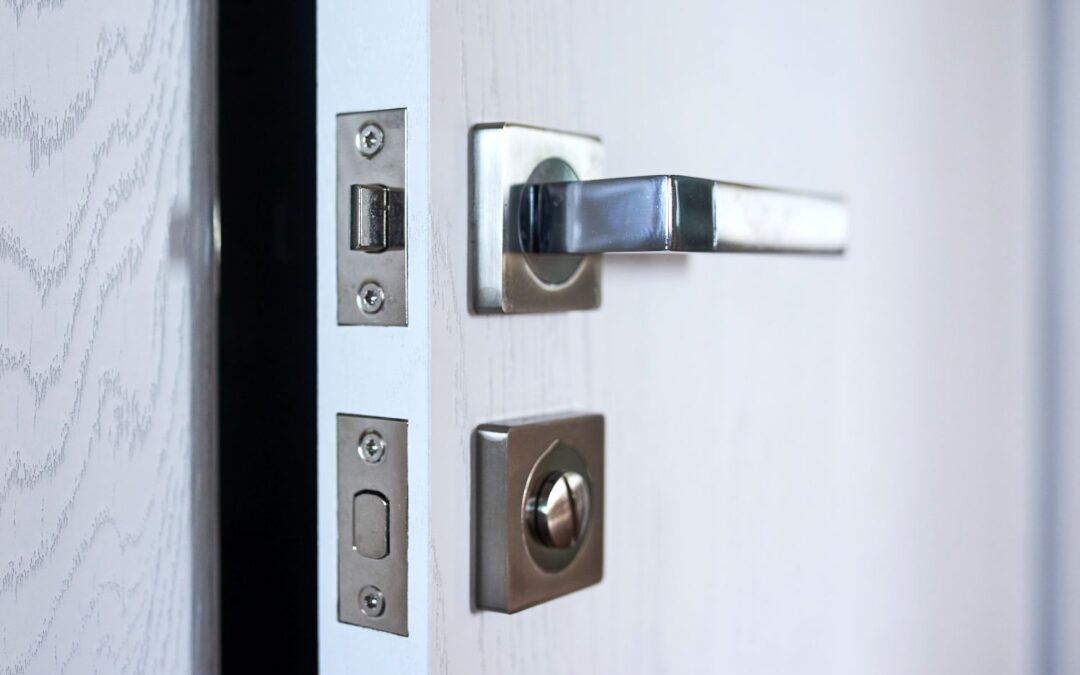
Picking between rim, mortise, and concealed hardware is like picking boots for a job site. The right pair feels easy, the wrong pair trips you all day. Rim hardware mounts on the door surface, mortise hardware fits inside a pocket cut into the door, and concealed hardware hides inside the door and frame. Your door material, how often it gets used, and your security needs decide what fits best.
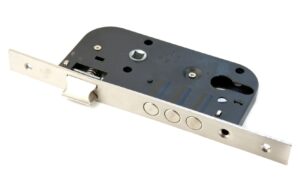
Start with the door build, not the lock you saw online
A lock is not just a lock. Your door is the “truck” that has to carry the load.
Ask these simple questions first.
- Is the door metal, wood, or aluminum glass storefront?
- Is it a home door, an office door, or a back door that gets slammed all day?
- Does it need to latch every time, even when people rush through?
- Is it already prepped for a certain lock type?
If you match the form factor to the door, the lock lasts longer and works smoother. If you force a match, you can end up with sagging, rubbing, or a latch that acts like it is on coffee break.
If you want a door check in Houston, TX, Emergency Locksmith can help through Contact Us or by calling (832) 979-9228. You can also visit https://emergency-locksmith-services.com.
Rim hardware, what it is and where it works best
A rim lock or rim exit device mounts on the surface of the door. It does not sit inside a big pocket cut into the door. Think of it like a toolbox bolted to the outside of a work truck. Easy to access, easy to swap, and it does its job.
Where rim hardware shines
Rim setups are common on:
- Commercial doors with high traffic
- Storefront doors
- Many emergency exit doors with panic bars
- Doors where cutting a big pocket is not a good idea
Rim exit devices are popular because they can be simpler to install on certain doors and can work well with aluminum storefront frames.
For urgent entry issues, see Emergency locksmith.
Pros
- Often a good fit for thin or narrow stile doors, like aluminum storefront doors
- Can be easier to service since key parts are accessible
- Great for high traffic doors when paired with the right latch and strike
Tradeoffs
- Surface mounted parts are visible
- If the door or frame is out of alignment, the latch can miss the strike and you get that annoying “push harder” moment
Small safety note
If you run a business, do not block or alter exit hardware. Life safety rules exist for a reason. If you are unsure, a locksmith can check the door’s function and hardware match without playing guess-and-hope.
For commercial openings and door hardware support, see Commercial locksmith.
For general life-safety background, see https://en.wikipedia.org/wiki/Panic_bar.
Mortise locks, what they are and why people trust them
A mortise lock fits into a pocket cut into the edge of the door. The lock body sits inside the door, with the trim on the outside. Picture it like a built-in engine part instead of a bolt-on accessory.
Mortise locks show up a lot on commercial doors, older buildings, and higher use openings that need strong, steady latching.
Where mortise locks shine
Mortise locks are often seen on:
- Solid wood doors
- Metal doors prepped for mortise hardware
- Office entry doors
- Doors that need a sturdy latch and smooth action
Pros
- Strong, stable feel in the hand
- Good for frequent use when installed and aligned right
- Many functions available, like classroom or storeroom styles, without getting into brand talk
Tradeoffs
- The door must be prepped for it, or it needs careful cutting
- If the door edge is damaged or the pocket is wrong, the lock can bind
A quick real-life moment
A shop owner once told a locksmith, “The handle feels fine, it just sticks when it is hot.” That is a common mortise issue when the door swells or shifts and the latch rubs the strike. The lock is not “bad,” it is being bullied by alignment.
Concealed hardware, what “hidden” really means
“Concealed” can mean a few things in door hardware. In this post, we mean parts that hide inside the door and frame, often a concealed door closer, concealed hinges, or concealed latching parts paired with modern door systems.
A concealed door closer sits inside the door or frame, not as a box on the top of the door. It is the clean look option. It is like hiding the wiring inside the wall instead of running it in tubes on the outside.
Where concealed hardware shines
Concealed options fit best when you care about:
- Clean appearance
- Reduced snag points
- Controlled closing on a high use door
- Certain office and retail entry doors
Pros
- Clean look
- Can protect the closer body from bumps and abuse
- Often smoother closing when matched to door weight and use
Tradeoffs
- Harder to access for service
- Needs correct door and frame prep
- If water gets into cavities, corrosion can start over time
Quick comparison table, rim vs mortise vs concealed
| Feature | Rim hardware | Mortise lock | Concealed hardware |
|---|---|---|---|
| Where it sits | On the door surface | Inside a pocket in the door | Hidden inside door or frame |
| Common door types | Storefront, exit doors | Solid wood, hollow metal | Office doors, modern builds |
| Service access | Often easier | Moderate | Often harder |
| Look | Visible | Mostly visible trim | Minimal visible parts |
| Typical use level | High traffic | High traffic | Medium to high, depends on parts |
| Fit depends most on | Door stile and frame | Door prep and alignment | Door prep and moisture control |
How to pick the right form factor for your door
Use these plain rules. No guesswork. No magic.
Choose rim when
- You have an aluminum storefront door with a narrow stile
- You need panic style exit hardware on a rear exit
- You want a setup that can be serviced without opening up the door body
Choose mortise when
- The door is already prepped for a mortise lock
- The door is solid or heavy and sees frequent use
- You want a solid latch feel and reliable function over time
Choose concealed when
- You want a clean look with fewer exposed parts
- The door and frame are built for concealed closer or hinge prep
- You want controlled closing without a surface closer box
What we usually see in Houston, TX
Houston doors work hard. Heat, humidity, and sudden rainstorms can turn a smooth door into a sticky door.
Common local patterns include:
- Aluminum storefront doors near Westheimer or Richmond that drift out of alignment from constant use and frame movement
- Metal back doors on warehouses that get slammed, then the strike loosens
- Wood doors in older neighborhoods that swell after heavy rain, then the latch starts scraping
If your lock “works fine at night” but acts up mid-day, your door may be moving with temperature and humidity.
For home door alignment and lock fit questions, see Residential locksmith.
Weather in Houston, how it messes with locks and doors
Houston weather can be like that friend who “just stops by” and stays all weekend.
Heat
Heat can expand materials and change alignment. A latch that barely clears the strike in mild weather can start rubbing when it gets hot.
Humidity
Humidity can swell wood doors and make them drag. It can also speed up corrosion on exposed screws and parts, mainly near exterior openings.
Heavy rain and wind
Water can enter frames and cavities. Over time, moisture can cause rust, sagging, and poor closing. This matters a lot for concealed parts because you do not see the early warning signs.
Cold snaps
Houston does not get long winters, but quick cold snaps can make metal contract. That can change gaps and make a door closer slam or fail to latch if it was already on the edge.
For local climate context, see https://en.wikipedia.org/wiki/Climate_of_Houston.
Troubleshooting, quick “If X, then Y” steps
Use this list to narrow it down before you call anyone.
- If the door does not latch unless you lift it, then the door may be sagging, check hinges and strike alignment.
- If the key turns but the latch will not move, then the lock body may be binding, stop forcing it and check alignment and internal wear.
- If the latch hits the strike plate and leaves metal marks, then the strike is likely misaligned or loose.
- If a rim exit device feels stiff, then check for door rubbing on the frame and check the latch bolt path.
- If a mortise handle feels “springy” or does not return, then the spring pack or spindle may be worn.
- If a concealed closer door slams or will not close, then the closer may need adjustment or the door may be out of square.
- If the door closes but does not stay latched on windy days, then the closer speed and latch zone may be off, or weatherstripping may be pushing the door back.
Risk note: If a key is stuck or the lock is jammed, stop cranking on it. A snapped key turns a small problem into a bigger one.
Common mix-ups, quick myths and facts
Myth: “A bigger lock always means more security.”
Fact: Fit and install matter more. A strong lock on a misaligned door can still fail to latch.
Myth: “Rim hardware is weak because it is on the surface.”
Fact: Many rim exit devices are built for heavy commercial use. The door and frame match still matters.
Myth: “Mortise locks never have problems.”
Fact: They can bind if the door shifts or if the pocket is worn or cut wrong.
Myth: “Concealed hardware is zero maintenance.”
Fact: Hidden parts still need checks. You just do not see the warning signs as early.
Care schedule that keeps doors working
Locks like small habits. A little care beats a big repair.
Weekly
- Listen for new sounds, scraping, clicking, or banging.
- Check that the door latches on the first close, no shoulder shove needed.
Monthly
- Tighten loose screws on handles, strikes, and hinges.
- Wipe exposed hardware clean, grime acts like sandpaper.
- Check the strike plate, if it wiggles, fix it before it shifts more.
Yearly
- Have a locksmith inspect alignment, latch contact, and closer settings.
- Recheck weatherstripping and door sweep fit, bad seals can push the door off latch.
- Check for rust on exterior doors and address it early.
Note on lubrication: Use the right lubricant for locks. If you are not sure what is safe for your lock type, ask first. Some sprays attract dirt and can gum things up.
Rim and mortise, what changes for homes vs businesses
Homes
Most homes use cylindrical locksets or deadbolts, not rim exit devices. Still, rim locks can show up on gates, sheds, and older doors. Mortise locks show up in older homes with solid wood doors.
If you have a vintage mortise lock in a Heights bungalow, keep it working with good alignment and proper parts. Do not force mismatched hardware.
For service on home doors and hardware, see Residential lock repair.
Businesses
Businesses deal with traffic. More hands, more slams, more door cycles. Rim exit devices and mortise locks show up a lot in offices, retail, and warehouses.
If your shop has an aluminum glass storefront, rim exit device setups are common. If you have a solid metal door into an office suite, mortise can be common.
For business door hardware needs, see Commercial lock repair.
When a swap is easy, and when it is a headache
A door prepped for mortise hardware usually stays mortise unless you want door work. A door prepped for rim exit hardware often stays that way too.
Here are simple rules.
- Same form factor swap is usually smoother, rim to rim, mortise to mortise.
- Changing form factor can mean cutting, patching, and repainting, plus new trim coverage needs.
- Concealed parts need matching prep. If your door and frame are not built for it, it can become a big project fast.
If your goal is “stronger,” you may not need a full change. A small fix like strike reinforcement, hinge repair, or alignment can make a huge difference.
FAQs
What is a rim lock used for?
Rim locks and rim exit devices mount on the door surface. They often show up on commercial doors, mainly exit doors and some storefront doors.
What is a mortise lock, and why do people like it?
A mortise lock sits inside a pocket cut into the door edge. People like the solid feel and steady latching, mainly on heavy use doors.
What is a concealed door closer?
It is a door closer hidden inside the door or frame, not mounted as a box on the door face. It gives a cleaner look and can reduce damage from bumps.
Can I change a rim setup to a mortise lock?
Sometimes, but it depends on the door type and how it is built. Many doors are not a good match for major cutting. A locksmith can check the door and recommend a practical path.
Why does my door latch fine in the morning but not in the afternoon?
Heat and humidity can shift the door and frame a bit. That can make the latch rub or miss the strike. Alignment and closer settings often fix it.
What causes a lock to feel stiff when turning the key?
Common causes include misalignment, dirt inside the cylinder, or worn internal parts. Do not force it, keys can snap.
Is concealed hardware more secure?
Hidden parts can reduce tampering on some doors, but security depends on the full door system, lock type, frame, strike, and install quality.
When should I call a locksmith instead of trying fixes myself?
Call when the key is stuck, the lock is jammed, the door will not latch reliably, or the door is part of an exit path for a business. Those issues can get worse fast with repeated forcing.
Need help picking the right rim, mortise, or concealed setup for your door in Houston, TX, or fixing a door that will not latch right? Emergency Locksmith can inspect your door, check alignment, repair or replace hardware, and get your entry working smooth again so you do not have to wrestle it every day. Call (832) 979-9228 or visit https://emergency-locksmith-services.com. For scheduling, use Contact Us.