
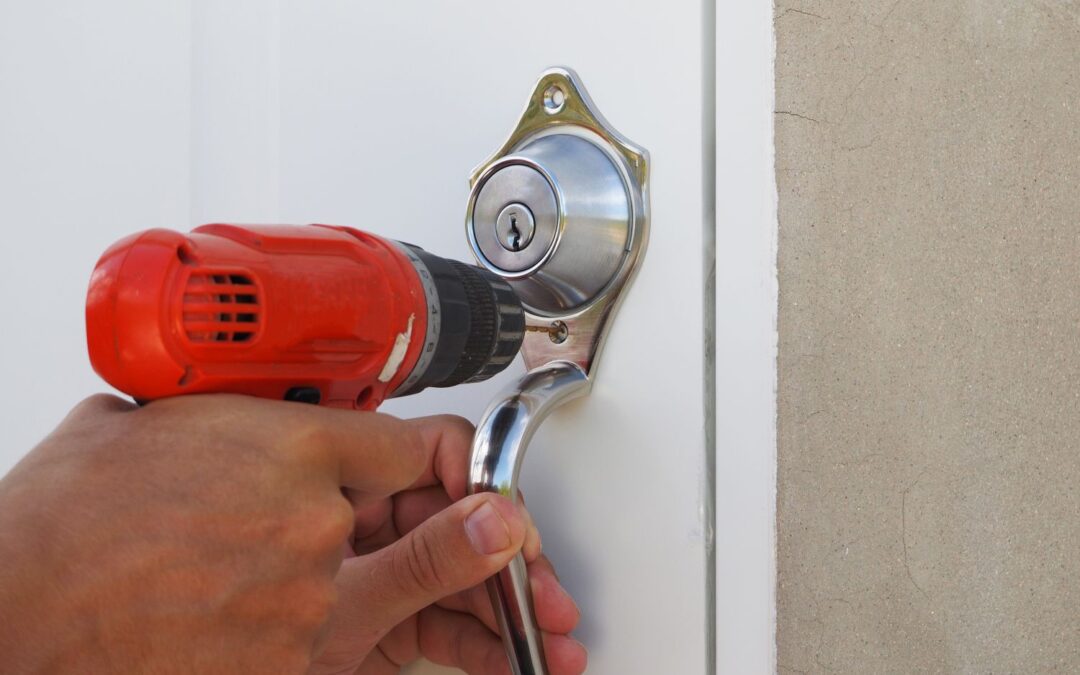
If your lock acts up, you can try a few safe DIY steps first, like checking door alignment, cleaning out grit, or using the right lubricant. The trick is knowing when to stop. If you see a bent key, a jam that will not clear, a loose lock, or signs of break-in, it is time to call a locksmith. A bad “quick fix” can turn a small issue into a stuck door at the worst time, like when Houston rain hits and you are holding groceries.
Start here, what problem are you dealing with?
Locks fail in a few common ways. Name the problem first, then pick the right fix. Think of it like a flat tire. You do not start by changing the radio.
Here are the usual suspects:
- Key will not go in.
- Key goes in but will not turn.
- Key turns but the door will not open.
- Key is stuck, or snapped.
- Door will not latch unless you lift or push it.
- Smart lock or keypad acts “glitchy.”
- Car key fob works off and on.
- You are locked out.
A neighbor once told me, “My lock is possessed.” I asked, “Does it only act up when it rains?” He paused and said, “Well, yeah.” That was not a ghost. That was moisture, swelling wood, and a latch that barely lined up.
Safe DIY fixes you can try first (low-risk steps)
These steps are low-risk when you do them gently. If you feel like you must force it, stop. Locks are not weightlifting gear.
1) Check the key, not just the lock
A beat-up key can cause most “lock problems.”
Try this:
- Wipe the key clean.
- Look for bends, cracks, or teeth worn smooth.
- Try your spare key if you have one.
If the spare works, the lock may be fine. Your key may be the problem. If you need help with keys, see Residential key duplication.
Safety note: If the key looks cracked near the bow, do not keep turning it. That is how keys snap.
2) Clear grit and sticky stuff from the keyway
Houston wind and storms can blow grit into outdoor locks. Apartment breezeways and parking garages can be dusty too.
Try this:
- Use a flashlight to look into the key slot.
- Tap the door lightly near the lock, not like you are mad at it.
- Blow out dust with canned air if you have it.
Skip poking inside with a paperclip. That can push debris deeper. If the issue continues, Residential lock repair can help.
3) Use the right lubricant, and use less than you think
Many people reach for WD-40. It can help in a pinch, but it can also leave residue that grabs dirt.
A better pick is a dry lock lubricant made for locks, often graphite or PTFE. Use a tiny amount.
Steps:
- Put a small puff or quick spray into the key slot.
- Insert the key, pull it out, wipe it.
- Insert and turn the key a few times.
If you see black gunk, that is old dirt mixing with lube. Keep wiping the key and work it gently.
For general lock care and help, you can also review Residential locksmith service options.
4) Tighten loose screws on the handle or deadbolt
If your knob wiggles like a loose tooth, it can bind the latch.
Try this:
- Open the door.
- Tighten visible screws on the interior side.
- Test the latch with the door still open.
Do not over-tighten. You can pinch parts and make it worse. If hardware still feels unstable, consider Residential lock replacement.
5) Fix minor door alignment issues
If the door only locks when you push or lift it, the latch and strike plate may be out of line.
Try this simple check:
- With the door open, extend the latch or deadbolt.
- Close the door slowly and watch where it hits the strike plate.
Easy DIY moves:
- Tighten strike plate screws.
- If screws are stripped, use longer screws that bite into framing, if you already have them and know what you are doing.
- If the door swells in humidity, wait for a drier part of the day and test again.
Houston weather tie-in: High humidity can swell wood doors and frames. After a big rain, the door may rub and the latch may miss by a hair. That tiny miss can feel like a huge jam.
6) If a key is stuck, try “wiggle and pull,” not “yank and pray”
A stuck key is common when the plug is not in the neutral spot.
Try this:
- Make sure the key is fully inserted.
- Apply light turning pressure back toward the center position.
- Wiggle gently, then pull straight out.
If it is a car ignition key, keep the steering wheel relaxed. A locked steering wheel can trap the key.
Safety note: Do not use pliers and crank hard. You can snap the key and leave the blade inside. If a key breaks, Car key extraction may be needed.
7) For keypad or smart lock issues, do the simple resets
Batteries cause many smart lock problems. Houston heat can drain batteries faster, especially on doors with direct sun.
Try this:
- Replace batteries with fresh name-brand ones.
- Clean battery contacts if you see corrosion.
- Check the door alignment again, smart locks hate binding.
If the lock still grinds or beeps in error, stop. Forcing a motor can strip gears. If you need professional support, Emergency locksmith service is available.
8) For car lockouts, start with the “no damage” checks
Before you try any tool:
- Check all doors, including the hatch.
- Check if a window is slightly down.
- See if your phone can unlock via the car app, if you use it.
- Ask if a trusted person has a spare.
Skip coat hangers and “slim jims.” Modern cars have airbags and wiring in the door. A cheap trick can cause a costly mess. For professional help, use Car lockout support through Emergency Locksmith.
Quick troubleshooting list, “If X, then Y”
- If the key will not insert, then check for the wrong key, debris, or a bent key, then clean and use dry lube lightly.
- If the key inserts but will not turn, then try the spare key, then lube lightly, then check if the door is pushing on the latch.
- If the key turns but the door will not open, then the latch may be stuck or the tailpiece may be slipping, stop if it feels loose.
- If the key is stuck, then return it to center, wiggle gently, pull straight, stop if it starts to bend.
- If the door only locks when pushed or lifted, then tighten hinges and strike plate screws, check swelling after rain.
- If the lock is loose or spinning, then stop and call a locksmith, parts may be failing inside.
- If you see scrape marks or fresh damage, then stop and call, it could be tampering.
- If a smart lock beeps, stalls, or grinds, then change batteries and check alignment, stop if it still strains.
When to stop, red flags that mean call a locksmith
Some problems look small, then bite like a fire ant. Stop DIY and call a tech if you spot any of these.
Red flag 1) The key is bent, cracked, or getting “chewed”
A key that bends is like a paper clip. Bend it twice, then snap.
Stop if:
- You see a hairline crack.
- The key twists under normal force.
- Metal flakes show up on the key.
Red flag 2) The lock turns rough, then suddenly free-spins
If the key turns and turns, but nothing happens, the inside link may be broken or slipping. That can trap you outside or inside.
Red flag 3) The lock or handle feels loose in the door
Loose hardware can mean stripped screws, worn parts, or a door that has shifted. Tightening may help, or it may hide a bigger issue.
If the lock moves in the door, do not keep testing it. A total failure can happen at the worst time, like when you are late for work on I-10. If needed, Residential lock installation is an option.
Red flag 4) A key snapped in the lock, or metal is stuck inside
You can make it worse fast by pushing it deeper. A locksmith has the right tools to remove it without harming the lock.
Red flag 5) Signs of break-in or tampering
Look for:
- Fresh scratches around the keyway.
- Bent strike plate.
- Door frame cracks.
- A lock that worked yesterday but jams today.
If you rent, this is also a good time to loop in your landlord. Your security comes first.
Red flag 6) You are locked out and tempted to “get creative”
If your next idea involves a credit card, a drill, or a shoulder hit, pause. That is how doors, frames, and locks get wrecked. For urgent help, use Emergency locksmith service.
Red flag 7) Car key fob or ignition trouble that is not simple
If the key will not turn in the ignition, or the fob fails often, do not force it. Many modern systems are picky. Forcing can lead to more problems. Related services include Transponder and Key FOB programming and Ignition repair and replacement.
What we usually see in Houston, TX
In Houston, we see a few patterns again and again:
- Humidity makes doors swell, and deadbolts bind.
- Hard rain blows grit into exterior locks, especially on older homes and gate locks.
- Sun and heat wear out weather stripping, then doors shift and latches miss.
- Apartment and condo doors get heavy use, and that wears parts faster.
Around areas like Midtown and near Westheimer, we often see multi-unit buildings where doors get slammed a lot. That repeated impact can loosen screws and misalign latches. On the other side, in neighborhoods with older wooden doors, swelling after storms can make a lock feel “stuck” when it is really the door rubbing.
For property-specific help, you can also view Locksmith for apartments and Locksmith for buildings.
For broader background on the city, see Houston.
Common myths and the real story
Myth: WD-40 fixes every lock.
Fact: It can help short term, but a dry lock lubricant is often cleaner for locks.
Myth: If you jiggle the key harder, it will work.
Fact: Hard jiggling bends keys and wears pins. Gentle testing beats brute force.
Myth: A sticky lock means you need a new lock right away.
Fact: Many issues come from alignment, loose screws, or dirt. Some locks do need replacement, but not every time.
Myth: Pushing the door hard while turning the key is always fine.
Fact: Light pressure can help alignment, but hard pressure can bend parts and damage the frame.
A simple care schedule that keeps locks calm
You do not need to baby your locks. Just treat them like you treat your truck, basic upkeep goes a long way.
Weekly
- Check that the door closes without slamming.
- Turn the deadbolt once with the door open, feel for grinding.
Monthly
- Wipe keys clean.
- Tighten visible screws on handles and strike plates if they loosen.
- For smart locks, check battery status.
Yearly
- Use a small amount of dry lock lubricant on exterior locks.
- Inspect weather stripping and door sweep, replace if torn.
- Check door alignment after big seasonal weather swings.
Houston weather tie-in: After a summer of heat and humidity, doors can shift. After a cold snap, parts can contract and feel stiff. A quick yearly check keeps you from getting trapped in a “why now” moment.
DIY limits, what you can break without meaning to
Even careful people can cause damage. Here are common “oops” moments to avoid.
Over-lubing
Too much lube turns into a grime magnet. Then pins stick. Less is more.
Over-tightening screws
You can strip screw holes or pinch the latch parts. Snug is enough.
Filing a strike plate or sanding a door too fast
A tiny rub today can turn into a drafty door next month. If you must alter wood or metal and you are not sure, stop.
Forcing a key
A key is not a pry bar. If it does not turn with normal hand force, something is wrong.
Renter notes and HOA notes in Houston
If you rent an apartment or live in a place with rules, you may need permission to change locks. Even if you plan to call a locksmith, check your lease or HOA rules. It can save you a headache later.
If your apartment uses a key system for gates, mail rooms, or common doors, do not try to “tune” that lock yourself. Report it. Those systems often tie into building safety.
For reference on rental rights and responsibilities in Texas, see Texas landlord-tenant law (Texas State Law Library).
FAQs
How do I know if my lock needs cleaning or replacement?
If the lock works better after a small amount of dry lubricant and gentle key cycling, it likely needed cleaning. If it still binds, free-spins, or feels loose, a tech should inspect it.
What lubricant should I use on a house lock?
A dry lock lubricant made for locks is a good choice. Use a small amount. Avoid heavy oils that collect dirt.
Why does my deadbolt only work when I push the door?
The door and strike plate may be out of line. This can happen after humidity swells a door, after hinge screws loosen, or after the frame shifts.
Is it safe to try to remove a broken key from a lock myself?
If a piece is sticking out, you may be able to grip it gently and pull straight out. If it is flush or deep inside, stop. Pushing it deeper can make removal harder.
My smart lock beeps and does not turn, what should I do?
Start with fresh batteries and check door alignment. If the motor still strains or stalls, stop using it and call for help. A grinding motor can damage internal gears.
Can I unlock my car with a coat hanger?
It is risky on many vehicles. You can damage wiring, seals, or airbags in the door. A locksmith has tools meant for car entry without damage. If you need help, visit Car locksmith.
What are signs someone tried to break into my lock?
Fresh scratches around the keyway, a bent strike plate, splintered wood near the latch, or a lock that suddenly works rough can all be signs. Call for help and consider a security check.
Does Houston humidity really affect locks?
Yes. Humidity can swell doors and frames, then bolts bind. Rain can bring grit, and heat can dry out or warp materials over time.
If your DIY steps did not fix it, or you saw any red flags, Emergency Locksmith can help with home, business, and car lock issues across Houston, TX, so you can get back to your day without broken keys or damaged doors. Call (832) 979-9228 or visit https://emergency-locksmith-services.com to schedule service. You can also use Contact Us.