
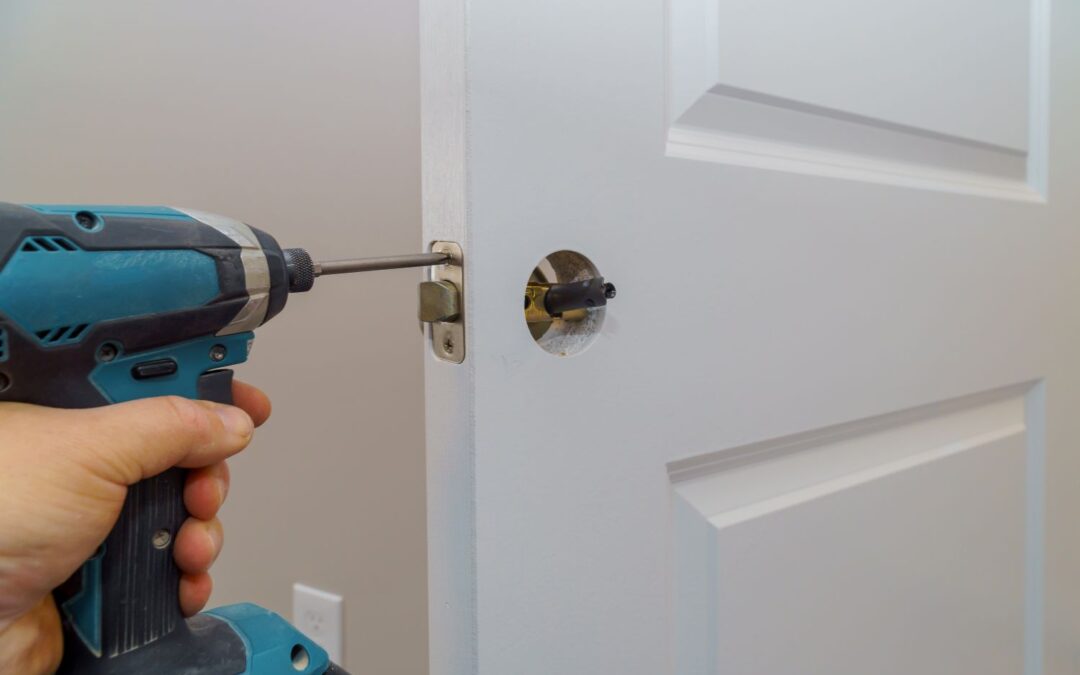
A smooth lock install starts before you touch a screwdriver. Measure your door thickness, check the backset, confirm the door hand and swing, and look at where the strike hits the frame. These quick checks help your new deadbolt or knob fit right, latch right, and lock right. Skip them, and you may end up holding a lock that will not line up, kind of like showing up to a cookout with no charcoal.
Why “door prep” matters more than the lock you buy
Most lock problems on install day are not about the lock being “bad.” They are about the door and frame being out of sync.
A lock is like a handshake between the door and the frame.
If the hands do not meet, the handshake fails.
Here is what good prep prevents:
- A deadbolt that rubs and will not throw clean
- A latch that clicks but does not hold
- A strike plate that sits too high or too low
- A knob that binds because the hole is off center
- A “new” lock that still feels sticky
I once heard a guy say, “This lock is junk.” His buddy looked at the door and said, “Man, your door is shaped like a potato chip.” They both laughed, then they still had to fix the door.
The four checks that stop day of surprises
You only need a few basic checks to avoid most install problems.
1) Measure the door thickness
Door thickness decides if the lock will clamp right and if the screws will reach.
Most homes use common sizes, but do not guess. Measure.
How to do it:
- Open the door.
- Put a tape measure across the edge of the door, straight through to the other side.
- Write the number down.
If you have a metal door, measure anyway. Many metal doors have a wood core, and sizes still vary.
Why it matters:
- Some locks fit only certain thickness ranges.
- If the door is thicker, the lock may not reach or may feel loose.
- If the door is thinner, parts may bottom out and bind.
Quick safety note: keep fingers away from the hinge side while measuring. Doors love to bite.
If you want help with a clean fit from the start, see Residential lock installation or Contact Us.
2) Check the backset
Backset is the distance from the edge of the door to the center of the hole where the knob or deadbolt goes.
If the backset is wrong, the lock will not sit in the hole right. It may also hit the door jamb when you close the door.
How to measure backset:
- Find the big round hole on the face of the door, where the knob or deadbolt sits.
- Measure from the door edge to the center of that hole.
- If you do not have a hole yet, measure to where you plan to drill.
Many locks are made to fit more than one backset. Still, confirm yours. Do not assume the door is “standard.” Houses get remodeled, and doors get swapped.
For support with alignment and setup, you can also review Residential lock repair.
3) Confirm door hand and swing
Door hand and swing is a fancy way to say, “Which way does it open, and what side are the hinges on?”
This matters most for:
- Entry handle sets with a thumb press
- Smart locks with a lever
- Any lock with a latch that has a shaped face
- Doors where you want the keyway facing a certain direction
Simple way to check:
- Stand outside the door, the side you would use to enter from outdoors or the hallway.
- If the hinges are on the left, it is left hand.
- If the hinges are on the right, it is right hand.
- If the door swings toward you, it is an outswing.
- If it swings away from you, it is an inswing.
A quick mental picture helps. If the hinges are visible from the side you stand on, you are on the hinge side. That changes what hardware fits and how it sits.
If your door is part of a multi-unit property, Locksmith for apartments can help with hardware fit and consistent handing.
4) Check strike location and alignment
The strike is the metal plate on the frame that the latch and deadbolt go into. If the strike is off by even a little, your lock can feel rough.
How to check quickly:
- Close the door slowly.
- Watch where the latch hits the frame.
- The latch should line up with the center of the strike opening.
- The deadbolt should slide into its hole without scraping.
Easy marking trick:
- Rub a little pencil graphite or chalk on the latch.
- Close the door and turn the knob.
- Open the door and look for the mark on the strike area.
If the latch hits high or low, the door may be sagging, the hinges may be loose, or the strike may be placed wrong.
If you are dealing with an urgent lock or door issue, Emergency locksmith service can help confirm strike alignment and smooth operation.
Tools that make this job easier
You do not need a garage full of gear. A few basics help a lot.
- Tape measure
- Pencil
- Phillips screwdriver
- Small flat screwdriver
- Level or a straight edge
- Flashlight
- A small file for light touch ups on a strike plate, only if needed
If you plan to drill new holes, that is a bigger step. If you are not fully sure, pause and get help. A wrong hole is forever, like a bad tattoo on your front door.
A simple measuring walkthrough you can follow
Use this step list and you will not miss anything.
- Measure door thickness. Write it down.
- Measure backset from edge to hole center. Write it down.
- Look at the edge bore, the latch hole in the door edge. Check that it is clean and not chewed up.
- Confirm hand and swing from the outside.
- Close the door and check latch to strike alignment.
- Check the door gaps. Look at the top gap and latch side gap. Big uneven gaps can cause latch issues.
- Tighten hinge screws if the door looks like it is sagging.
Short and punchy truth: a lock cannot fix a crooked door.
What we usually see in Houston, TX
Houston homes and buildings have a few patterns that show up again and again.
- Humidity makes wood doors swell, then the latch gets tight in the strike.
- Metal doors at older storefronts along roads like Bellaire Boulevard may have worn frames, so the strike sits a bit off.
- Apartment doors near areas like Midtown often get many lock changes, and the screw holes get stripped, so hardware sits loose.
- Storm season shifts frames a touch, and doors start to scrape, then the deadbolt needs a little alignment work.
These are normal issues. They are fixable. The key is spotting them before install day.
For help with door fit and hardware issues, Residential locksmith support is available, and you can always Contact Us to schedule service.
Weather in Houston and how it messes with your door fit
Houston heat and humidity can turn a “perfect fit” into a sticky mess.
Here is what happens:
- Wood expands with moisture, so the latch side can press into the jamb.
- Paint layers soften and grab, making the door feel tight.
- Rain and humidity can swell the bottom of the door, which can twist the slab slightly.
- In cooler spells, things shrink back, and now the latch may feel loose.
What you can do:
- Check alignment seasonally.
- Keep hinge screws snug.
- Do not force a lock that is binding. It can wear the latch, the bolt, and the strike.
For local climate info, see Houston and the National Weather Service.
Backset problems that sneak up on people
Backset trouble often shows up like this:
- The lock body will not sit flat.
- The latch tube does not reach the hole.
- The key turns, but the bolt feels like it is rubbing.
If your lock says it fits more than one backset, make sure it is set to the right position before you install. Some models need a twist or a pull to change the backset setting. If you miss that step, you can fight the lock for an hour and lose.
Strike plate alignment, the small part that causes big headaches
The strike plate is small, but it does a big job. It guides the latch and deadbolt into the frame.
A good strike setup gives you:
- A smooth close with a clean click
- A deadbolt that throws with two fingers, not two hands
- Less wear on the lock
Warning signs of strike trouble:
- You have to lift the door to lock it
- You have to slam the door to latch it
- The latch mark is on the top or bottom of the strike
- The deadbolt hits metal instead of going into the hole
Light fix that is sometimes enough:
- Tighten hinge screws.
- Check if the strike screws are loose.
- Make sure the strike is not bent.
If the frame or door is off, the best fix may be repositioning or adjusting parts. That is where a locksmith earns his keep.
Quick troubleshooting steps you can use on install day
- If the knob feels tight when you turn it, then check that the latch is not rubbing the strike opening.
- If the deadbolt will not throw unless the door is open, then check strike alignment and door sag.
- If the lock wiggles after tightening, then check door thickness fit and stripped screw holes.
- If the latch does not spring back, then check the edge bore for paint, wood fuzz, or a pinched latch.
- If the key turns hard, then stop and check bolt alignment, do not force it.
- If the door will not close without pushing, then check weather swelling, hinge screws, and door rub marks.
Common mix ups people repeat, and what is true
Myth: “If the lock fits the hole, it will work fine.”
Fact: The strike and door alignment decide if it works smoothly.
Myth: “A hard turn means the lock is secure.”
Fact: A hard turn often means friction, and friction wears parts out.
Myth: “All doors are the same size.”
Fact: Even doors from the same builder can vary after years of humidity and settling.
Myth: “I can fix a sticky deadbolt with more force.”
Fact: Force can bend parts or strip screws. Smooth is the goal.
A simple care schedule for locks and door fit
Keep it easy. A few small checks beat a big repair later.
Weekly
- Close the door and listen. If you hear scraping, look for rub marks.
- Turn the deadbolt once. Feel for rough spots.
Monthly
- Tighten loose screws on the knob, deadbolt, and strike.
- Wipe the latch and strike area clean. Dirt builds up fast.
Yearly
- Check hinge screws and replace any that will not tighten.
- Check alignment again during a humid month and a cooler month.
- If the deadbolt still rubs, get it adjusted so it throws clean.
Safety note: if your door has a closer, keep hands clear when testing. Those things can swing like they mean it.
When a lock install should switch from DIY to “get help”
DIY is fine for many simple swaps. Still, some cases call for a locksmith.
Get help if:
- The door is sagging and the top corner hits the frame
- The strike needs to move and you do not want extra holes
- The door is metal and drilling feels risky
- The deadbolt hole in the frame is too shallow or off center
- You are adding a smart lock and want it lined up right on the first try
A pro can also check your door fit fast. Sometimes the fix is tiny. Sometimes the door needs a few adjustments so the lock can do its job.
FAQs
What is backset on a door lock?
Backset is the distance from the edge of the door to the center of the lock hole. It helps the lock line up with the latch and strike.
How do I know if my door is left hand or right hand?
Stand on the outside of the door. If the hinges are on the left, it is left hand. If the hinges are on the right, it is right hand.
Why does my deadbolt work with the door open but not closed?
That usually points to alignment. The bolt is hitting the strike plate or the frame instead of sliding into the hole.
Can Houston humidity really affect my lock?
Yes. Humidity can swell wood and shift the fit. That can make latches rub and deadbolts feel tight.
Should I replace the strike plate when I replace the lock?
If the old strike is bent, loose, or worn, swapping it helps. The strike guides the latch, so it matters.
What if my strike plate holes are stripped?
If screws will not bite, the strike can move and your latch will miss. A locksmith can secure it and help restore a solid mount.
Is it safe to file the strike plate opening bigger?
A small touch up can help in some cases, but do not overdo it. If the door is sagging, filing is like putting a bandage on a loose wheel.
Why does my latch stick after painting?
Paint can build up in the edge bore or on the latch face. That can pinch the latch and slow the spring action.
If you want your lock installed without guesswork, Emergency Locksmith in Houston, TX can measure your door, confirm backset and handing, and line up the strike so your lock shuts smooth and locks clean. Call (832) 979-9228 or visit https://emergency-locksmith-services.com to schedule help and avoid install day surprises.
You can also reach out anytime through Contact Us.